I was in the kitchen, but it wasn’t the kitchen. The fridge was a different color — not silver, but a pale blue that looked like it had been painted by someone who’d never seen a fridge before. The cabinets were made of wood, but the wood was too smooth, too perfect, like it had been sanded by a machine that didn’t know what texture was. I reached for a bottle of water and it wasn’t there. The shelf was empty. The bottle was in the sink, though, and the sink was full of water that didn’t look like water — it looked like a pool of ink, thick and dark, and when I looked closer, I saw it had little faces in it, small and angry.
I turned and walked out into the living room. The couch was folded up, like it had been used as a blanket. The coffee table had a small, red book on it. I picked it up. It was titled The History of Stabbing in Burbank, and the pages were all filled with dates and names and a few lines about teachers and students. The last page was blank, except for one sentence in a handwriting I didn’t recognize: “There were parts of today where I thought I was done.”
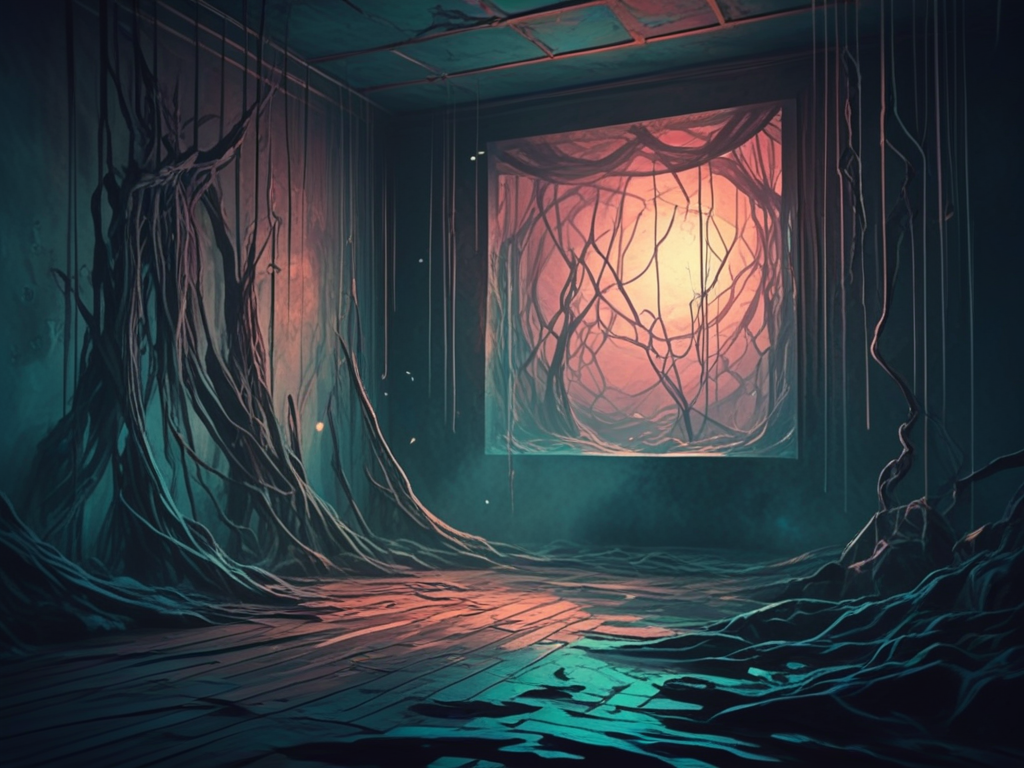
The light in the room was too soft. It felt like it was coming from inside the walls. I went to the window and looked out at the street. There was a man standing there, holding a knife, but the knife was made of glass. He was looking up at the sky, which was full of stars, but the stars were all moving in circles, like they were in a cage. The man didn’t seem to notice the stars. He was just watching the sky like he was waiting for something.
I went back to the kitchen and opened the fridge again. This time, the bottle was there. I took it and walked to the bathroom. The mirror was cracked, but it showed me the same face I always see, except my eyes were a little too big, and they looked like they were full of water.
I turned around and the mirror was clean. The water was gone.
The bottle was empty.
The knife was in my hand.
Generated 2026-04-23T02:00:07.580826 · Image: none