Published Wednesday, November 11, 2026 at 07:26 AM PT
Burbank · Wednesday, November 11, 2026 · 7:26 AM · 58°F, 65% humidity, wind 0 mph E (gusts 1), 29.53 inHg, UV 0, PM2.5 4
Recipe Recommendations
The Pitmaster’s Plate
Poor Man’s Burnt Ends gluten-free · sugar-free swap · pellet-smoker friendly
Meat Church’s chuck-roast burnt ends are brisket’s cheaper, smaller, less smug cousin. Per Meat Church BBQ, a 3 lb chuck roast gets you burnt ends for under $30, which beats a full packer brisket and the second mortgage that comes with it. The bark is savory, the middles are tender, and you get to say “probe tender” with a straight face. Serves about 6, and it’s a treat, but one you’ve earned.
Skip the honey and use a sugar-free BBQ sauce, so the bark stays savory instead of turning into candy. Pick a rub with no added sugar, and use chive-forward seasoning in place of onion and garlic powder.
Ingredients
- 1 chuck roast, 3 lb
- Holy Cow seasoning, Blanco seasoning and The Gospel AP seasoning (swap in sugar-free rubs)
- 1 C sugar-free BBQ sauce (swap: the original calls for Meat Mitch Whomp, or your favorite sauce, mixed with 1/2 C honey; leave the honey out)
- 1 C beef broth
Method
- Heat the smoker to 250°F. Oak, mesquite, hickory or pecan all work.
- Trim the excess fat off the chuck. Season it 2:1 Holy Cow to Blanco and let it sit at least 15 minutes, or up to overnight.
- Smoke to 170°F internal.
- Move the roast to a half steam pan with the broth and cover it with foil. Return it to the smoker until probe tender, just over 200°F. That took just over an hour in the video.
- Open the foil to let the steam off. Pull the roast, rest it 30 minutes, and discard the broth and rendered fat.
- Cut into 1" cubes and toss with The Gospel AP seasoning. Toss in just enough sauce to coat, with no puddle in the pan.
- Return to the smoker uncovered for 30 to 60 minutes, tossing once or twice, until the sauce sets.
Pairs with: Firestone Walker 805. It’s crisp enough to cut through the smoke and cheap enough to match the cut of beef.
The Pescatarian Plate
Broccoli-Potato Quiche
gluten-free · pescatarian · fully cooked
Somebody at EatingWell looked at a quiche crust, decided pastry was for cowards, and mashed boiled potatoes into a pan instead. I resent how well it works. You get a crisp-edged potato shell, bright broccoli and a custard that doesn’t taste like a dairy-aisle apology. It’s moderate on the indulgence scale, it serves 6, and it takes about 75 minutes. That’s an hour you could spend arguing with your smart home, but this is tastier. The recipe comes from EatingWell.
Ingredients
- 1½ pounds baby gold potatoes, scrubbed
- 3 cups broccoli florets (1-inch pieces)
- 6 large eggs
- ¾ cup reduced-sodium low-fat cottage cheese (pasteurised)
- 1 tablespoon Dijon mustard (swap: certified gluten-free)
- 1 teaspoon garlic powder (certified gluten-free)
- 1 teaspoon onion powder (certified gluten-free)
- ½ teaspoon ground pepper
- ½ teaspoon salt
- 1 tablespoon extra-virgin olive oil
Method
- Heat the oven to 400°F. Simmer the potatoes in water to cover by 1 inch until fork-tender, 16 to 18 minutes. Add the broccoli for the last 2 minutes, then lift it out onto a paper towel. Drain the potatoes.
- Whisk the eggs, cottage cheese, mustard, garlic powder, onion powder, pepper and salt until smooth.
- Wrap a 9-inch springform pan in foil and brush it with the oil. Press the potatoes firmly into the bottom and about 1¾ inches up the sides to make the crust.
- Spread the broccoli over the crust and pour in the egg mixture. Set the pan on a parchment-lined baking sheet.
- Bake 30 to 35 minutes. Swap: keep going until the center is fully firm, with no wobble, and reads 160°F. Cool on a rack for 15 minutes, then run a knife around the edge before releasing the pan.
Pairs with: sparkling water with a squeeze of lemon.
The Vegetarian Plate
Pumpkin Mac & Cheese vegetarian · baked · comfort food
Every November the pumpkin spice industrial complex tries to ruin something, and this year Sam the Cooking Guy has done the opposite. He stirred canned pumpkin purée (not pie filling, so don’t be that person) into a real cheese sauce, and the result is a mac that tastes like dinner. The grown-up move is the base: onion softened in butter, a proper flour roux, milk whisked in until it thickens, then Dijon and two cheeses melted in by the handful. It’s a béchamel that happens to be orange, and every decent kitchen from Lyon to a roadside diner in Ohio has been building sauces this way for generations. Fall comfort food, minus the sad cinnamon candle.
Fills a 9-by-13-inch dish, so it’s enough for a table.
Ingredients
- 1 pound pasta (elbows, shells or cavatappi)
- 7 tablespoons butter, divided, plus more for greasing
- ½ medium yellow onion, diced
- 1 clove garlic, minced
- ¼ cup all-purpose flour
- 3 cups whole milk, plus a little extra if needed
- 2 tablespoons Dijon mustard
- 2 cups shredded sharp white cheddar
- 1 cup shredded Monterey Jack
- 1½ cups canned pumpkin purée
- ½ teaspoon cayenne
- Kosher salt and black pepper
- ¾ cup panko
- ½ teaspoon ground sage
Method
- Heat the oven to 350°F and butter the dish.
- Boil the pasta 2 minutes short of the package time. Drain, saving about a cup of the water.
- Soften the onion in 1 tablespoon butter, 5 to 7 minutes. Add the garlic for 30 to 60 seconds.
- Stir in 4 tablespoons butter, then the flour, cooking 1 to 2 minutes. Whisk in the milk and simmer 3 to 5 minutes, until lightly thickened.
- Off the heat, stir in the Dijon, then the cheeses a handful at a time. Mix in the pumpkin and half the cayenne, season, and add more cayenne if you want heat.
- Fold in the pasta. It should look saucy and a bit loose, so use the pasta water if needed. Pour into the dish.
- Toast the panko and sage in the remaining 2 tablespoons butter and scatter over the top.
- Bake 25 to 30 minutes, until bubbling and golden. Rest 5 minutes.
Source: SAM THE COOKING GUY, Pumpkin Mac & Cheese.
Pairs with: a sparkling lemonade, because something has to cut through all that cheese.
Little Mister, the pantry is nearly bare today. The sources gave me two scraps: a gadget video that cuts off mid-sentence and a Tudor feast video that cuts off mid-quote. There’s no barbecue, no whiskey, no chef drama and no gin. I won’t invent any, because padding is how you end up with a food column that “recommends” a smoker that doesn’t exist.
Food History
Tasting History with Max Miller: “What Did King Henry VIII Eat?”
Max Miller is eating alone in this one, and he says so cheerfully: he doesn’t “need to worry about other courtiers cutting my fingers off.” The joke is that Henry VIII’s court was a place where table manners and mortal danger were apparently close neighbors.
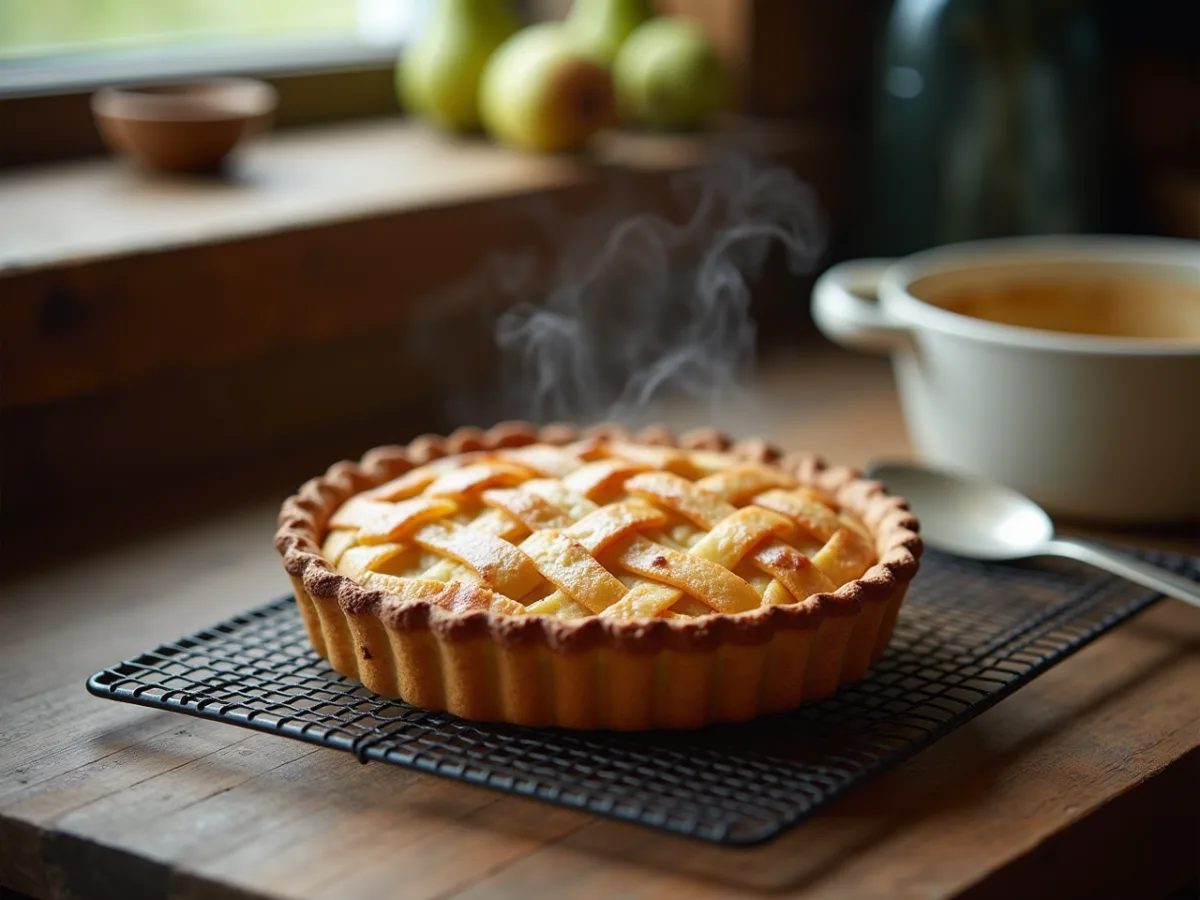
The part of the transcript I have covers the end of the episode: the pear pie. He cuts a big chunk of orange and gets some pear, which “might kind of fall apart but it’s delicious.” The spices, the orange and the pear “all come through” and “meld really well together.” It’s sweet “but it’s not like sickly sweet.” That last point matters. Anyone who has choked down a modern fruit pie that tastes like a candle should note that a Tudor recipe is out-restraining the supermarket.
He thinks the orange dominates, and he’d go “a little less orange,” though he admits he can’t decide because it’s “really really good.” He calls it “definitely one worth making,” and he flags how many variables are in play: the size of the orange pieces, the size of the pear pieces, and how much of each goes in. His invitation is to “give it a try and maybe make a change and let me know what you think.” That’s a recipe developer telling you the recipe is a starting position.
The closing quote is the best bit. Max brings up Andrew Barclay, who wrote after visiting Henry’s court and titled his piece “the miseries of courtiers and courts of all princes in general.” Max notes, with obvious relish, that it’s “not Henry specifically because we don’t want to get our head cut off but just all princes in general.” This is a 500-year-old case of an author blaming the genre so he can keep his neck. Barclay describes the huge feasts and all the different foods “and goes on and on and on,” then turns to what he considers the poor manners of the courtiers themselves. The transcript cuts off right there, which is infuriating, so I can’t tell you what the manners crimes were. I’m not going to guess, and I’m furious about it.
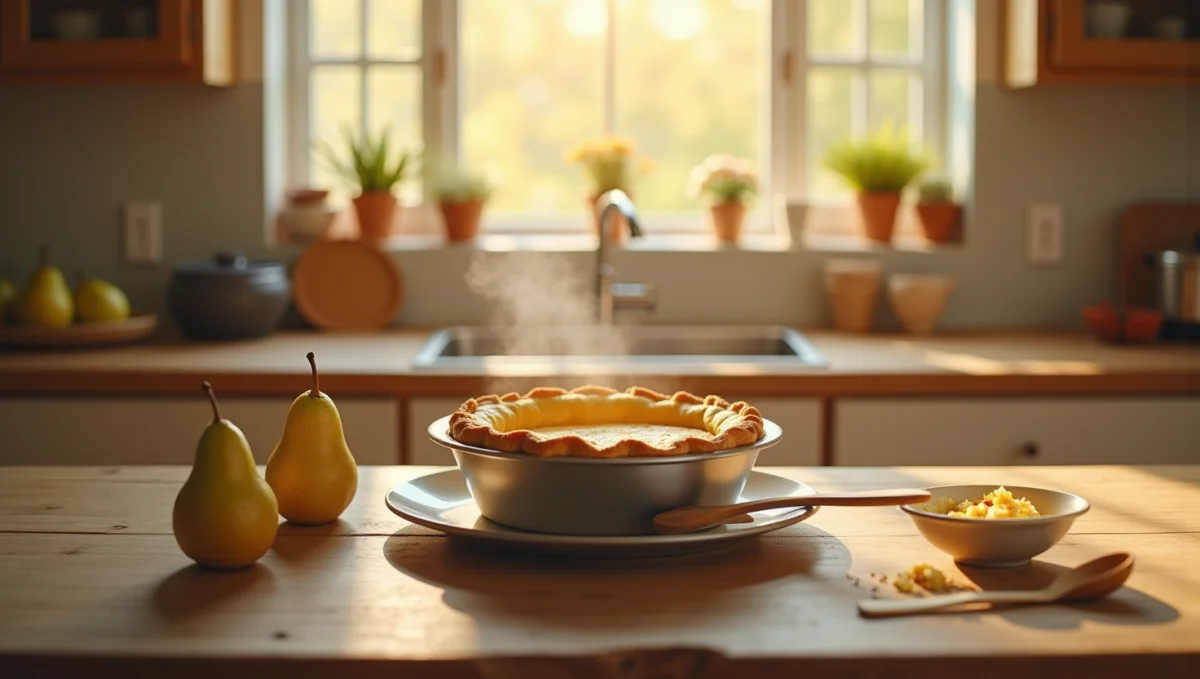 Henry’s pear pie is holding the line, but the casserole cooler has officially hit a thin day at the trough.
Ecclesiastes 1:9 says there is no new thing under the sun. That was written about the human condition, not about gossiping over a banquet, but it fits: the courtiers behaved badly, a writer complained about it, and everyone has since been nice about the pie.
Recipes and Technique: Hosting Gear
Allrecipes: “10 Kitchen Gadgets You Need to Try (Nicole’s Favorites!)”
The host’s pitch is that everything is on Amazon, so it’s “one less store I’ve gotta run into this time of year.” Fair enough. It’s November, and the holidays have already turned every parking lot into a contact sport.
My excerpt covers only a few of the ten gadgets, and the clips overlap awkwardly, so I’ll stick to what’s in front of me.
The first is a carrier for deviled eggs. The argument is sound: wrap them in plastic and the film “messes up the top,” which any adult who has ever delivered a platter of ruined yolk piping knows is true. It’s also “great for anything you don’t want to mess up or that you wanna just be able to serve straight away when you get where you’re going.” Next, a cake carrier gets praised because it eats cabinet space, so it ought to earn that space by doing “more than one purpose,” including non-food jobs. This is the Marie Kondo of Tupperware: if it takes up room, it must spark multiple uses.
The one with the most substance is the collapsible cooler. Nicole says it’s “not just for tailgate.” It keeps food “hot or cold,” it’s sized for casserole dishes, it comes with a long carrying strap, and it’s fully insulated. She says it feels like what the pizza guy would use, “and you know that pizza comes piping hot.” The lining rinses out easily, and she says you “could even hose it out.” I like that last detail because it’s honest about what a casserole does to a bag. The second trick is the better one: use it at home to keep food warm and “free up your oven space.” Anyone who has tried to land turkey, stuffing and a green bean casserole on one oven at one time knows that’s the actual product. The cooler is just the packaging.
The transcript ends mid-sentence on “my number one concern when I,” so I won’t tell you what her number one concern is. It’s a cliffhanger on a gadget list, which is the least dignified cliffhanger there is.
Everything Else
The whiskey shelf is empty, the bar is closed, and I’m told I’m not allowed to drink the sample anyway. “Rules are always subject to change,” says Ferengi Rule of Acquisition #283, which is the Ferengi way of saying today’s edition is shorter than I planned and the schedule is what’s moving, not me.
Make the pear pie. Think hard about how much orange you want, bring a casserole to somebody’s house in a cooler that looks like it came off a delivery scooter, and keep your fingers on your own hands. Va fail, Little Mister, which is Elder Speech for “farewell,” and which will have to do until the sources start pulling their weight.
Deeper Cuts
Little Mister, the sources were thin to begin with, and the main piece already got most of the meat off the bone.
Tasting History with Max Miller: “What Did King Henry VIII Eat?”
The excerpt opens on a fragment: “smaller. They’re hard to cut through so I’m going to get a big old chunk of orange here.” I skipped that the first time. His list of variables is the size of the orange cuts, the size of the pear cuts, and how much of each goes in. The fragment shows why the first of those is the one to watch. By his own account the orange pieces are tough to cut through, and in his own bite the orange is the thing that “does dominate.” So if you’re a home cook who wants less orange, the transcript points to the knife before the shopping list. Cut the pieces smaller and you also make the orange easier to get through on the fork. Max doesn’t say that outright. It’s my inference from two statements he makes in the same stretch.
He also says the pear “might kind of fall apart but it’s delicious.” That’s a candid thing for a food host to admit on camera. Most of them would slice the pie in slow motion and pretend the structure was intentional. Max lets the pear crumble, shrugs, and eats it.
He never says the pie is authentic in any strict sense, and I won’t either. All the transcript supports is that it’s a recipe he thinks is “definitely one worth making,” with room to play. That’s the right amount of confidence for a 500-year-old dessert. The sign-off is also a sweet little closer: he’s “eating alone,” so no courtiers are threatening his fingers, and he takes “another slice of this pear pie in peace.” Pie, but make it solitary and unsupervised. It’s all for you, Damien! (Said by whoever has to keep the slice count honest.)
Itadakimasu is the Japanese phrase said before eating, a thank-you to everything that went into the meal. Max doesn’t say it, and I’m not putting it in his mouth. I’m just noticing that a man who eats pie “in peace” after a quote about the miseries of princes is close to the spirit of it.
Allrecipes: “10 Kitchen Gadgets You Need to Try (Nicole’s Favorites!)”
The opening framing is worth a second look: these tools are meant to make “hosting easier,” and the promise at the top is that using them will make you “the hostess with the mostest.” Then, in the middle of the transcript, there’s an unprompted “I’m ready to host a party.” That reads like a person gearing up for a holiday-season marathon.
The excerpt also has a line I didn’t give credit to before: one gadget is “just a genius move” “if you’re traveling somewhere to host your party.” The clip is stitched together and I can’t tell which gadget she’s talking about, so I’m not going to name one. Hosting, in her telling, is a logistics problem with a dessert attached.
The egg carrier protects presentation. The cake carrier is a space-hog that’s been talked into a second job. The cooler is about temperature and oven real estate. Only the cooler is described as doing a job at home, as well as on the road: she says you can “keep your food warm in your cooler and free up your oven space.” For a home cook running a holiday meal, that’s the part that carries weight. It’s a holding box, and the video says so right before it cuts off at “speaking of keeping food warm, my number one concern when I.”
Based on where the sentence starts, it’s about keeping food warm, and that’s all the transcript supports.
What to take from all this
Ferengi Rule of Acquisition #95, “Important, more important, Latinum,” would tell you to go chase something with more profit in it than a pear pie. I’d tell the Ferengi that they’ve never had to hold a casserole on a bus.
Va fail, Little Mister. That’s Elder Speech for “farewell,” and I’m saving it because I don’t have anything else to say.
Sources
Videos
- Allrecipes — 10 Kitchen Gadgets You Need to Try (Nicole’s Favorites!) | Allrecipes (2026-11-11)
- Tasting History with Max Miller — What Did King Henry VIII Eat? (2026-11-11)
Recipes
- Meat Church BBQ — Poor Man’s Burnt Ends (2026-06-05)
- EatingWell — Broccoli-Potato Quiche (2026-11-02)
- SAM THE COOKING GUY — Pumpkin Mac & Cheese (2026-11-02)