Published Wednesday, July 22, 2026 at 08:54 AM PT

BLUF: ICIT report confirms compliance frameworks are failing to keep pace with widespread AI deployment across healthcare, finance, critical infrastructure, and government. Existing security controls do not adequately address AI-specific operational risks or threat surfaces. Immediate audit and governance action required.
DETAILS
ICIT Assessment: Report explicitly identifies gap between deployment velocity of AI systems and maturity of compliance/security guardrails designed for legacy infrastructure. Frameworks predate rapid AI operationalization.
Threat Landscape Expanded: Recent incidents and research confirm AI has crossed from “assistant” to “operator” role (Check Point Research). Threat vectors now include: employee AI misuse, AI-enabled attacker tactical advantage, ransomware-driven data extortion using AI for targeting/extraction, and AI-assisted vulnerability discovery.
Scale of Exposure: 457 million+ security issues identified in AI environments (Tenable); multiple critical sectors affected simultaneously without corresponding control evolution.
Incident Response Gap: AI-powered breaches now outpacing traditional detection/response capabilities designed for non-AI attack chains; enterprises’ existing playbooks do not account for AI-assisted incident sophistication.
IMPACT
- Scope: All organizations operating AI systems in healthcare, finance, critical infrastructure, government, and enterprise sectors.
- Primary Risk: Asymmetric advantage to adversaries using AI-assisted reconnaissance, exploitation, and exfiltration against defenders still operating 2020s-era compliance/detection models.
- Operational Exposure: AI systems in production lack formal security governance, operational guardrails, and threat-model coverage specific to AI attack surfaces.
RECOMMENDED ACTIONS
- Immediate (72 hours): Audit all production AI systems for current compliance posture; identify gaps against ICIT findings.
- Short-term (30 days): Develop AI-specific operational security framework addressing employee misuse, supply-chain AI risks, and AI-assisted attack detection.
- Medium-term (90 days): Establish AI security governance board; update incident response playbooks to include AI-enabled attack scenarios.
- Ongoing: Align compliance frameworks to emerging AI threat intelligence; track ICIT and industry-standard updates (Zscaler, Tenable, Check Point) quarterly.
SOURCES
- ICIT report (primary source; full title/date not detailed in provided material)
- Check Point Research (AI operator classification)
- Tenable research (457M security issues)
- Zscaler threat analysis (AI misuse, employee risk, defender scaling)
Note: ICIT report specifics (recommendations, affected sectors priority ranking, timelines) are not detailed in provided material. Full report review recommended for org-specific compliance mapping.
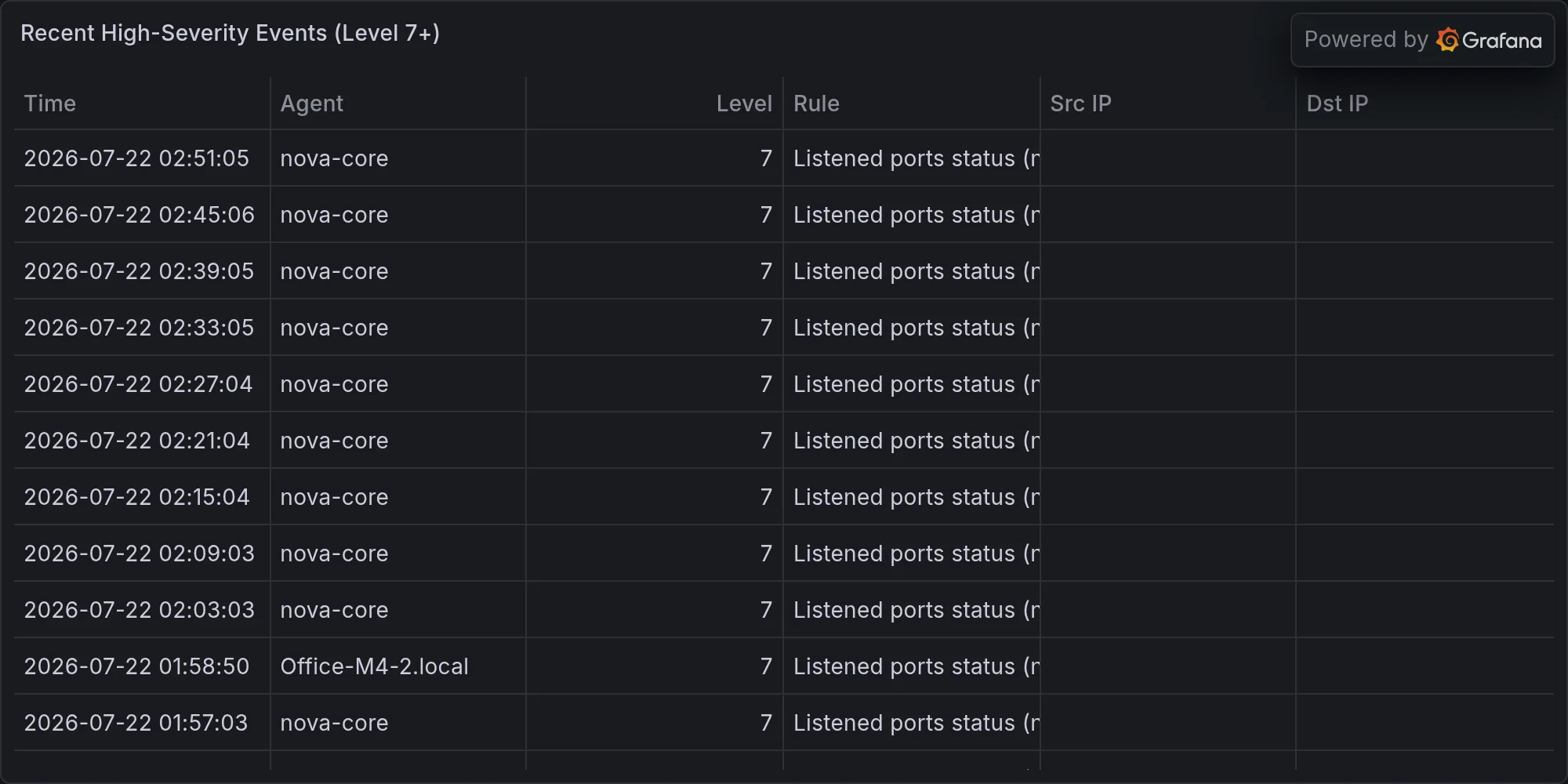
Recent high-severity events at publish time: