Published Thursday, July 23, 2026 at 02:59 AM PT

BLUF: Microsoft 365 Director Jeremy Chapman has announced a 3-day mandatory patching directive for Windows security updates. Enterprise operations teams now face compressed testing and deployment timelines or face non-compliance; the July 2026 Patch Tuesday alone delivered 570 vulnerabilities including 3 zero-days, amplifying urgency and collision risk.
DETAILS
- Directive Source: Microsoft 365 leadership announced elimination of deferred patching. Admins can no longer hold patches pending stability confirmation; 3-day deployment is now standard guidance.
- July 2026 Patch Volume: 570 vulnerabilities fixed (monthly record); 3 zero-days confirmed. This volume is driving the urgency and is NOT a normalization—it represents surge demand.
- Operational Collision: Enterprise admins historically defer patches 30–90 days due to regression risk, complex dependency chains, and compliance validation windows. 3 days compresses this to test-in-production or skip-testing scenarios.
- Risk Trade-off Explicit: Microsoft acknowledges historic patch incidents (unspecified; CSO article truncated) but is requiring speed over caution. The directive prioritizes exposure reduction over stability verification.
- Driver: AI and automated exploit activity shortening time-to-weaponization; Microsoft is restructuring guidance to compress vulnerability window, not responding to single incident.
IMPACT
- Scope: All Windows-managed enterprises (Government, Finance, Healthcare, Enterprise Tech). Particularly acute for:
- Legacy/monolithic systems with slow test cycles
- Multi-tenant environments requiring cross-team coordination
- Regulated orgs (HIPAA, FedRAMP, etc.) with change-freeze windows
- Supply-chain partners (will demand 3-day proof from vendors)
- Operational Blast Radius: Patch automation must shift from staged rollouts (Dev → QA → Staging → Prod over weeks) to parallel fast-track pipelines. Testing tooling will bottleneck. Regression incidents will spike in July–August.
- Non-Compliance Risk: Org unable to meet 3-day window may lose vendor support, fail compliance audits, face liability if unpatched zero-day is exploited.
RECOMMENDED ACTIONS
- Immediate (this week): Inventory current patch timelines for all Windows systems—identify which can meet 3-day window and which cannot.
- Pre-Stage Testing: Spin up automated regression testing for each critical system (security regression, basic function, known high-risk dependencies). Target runbook: <4 hours.
- Acknowledge Impossibility: For systems that genuinely cannot test in 3 days (monoliths, manual test-heavy), escalate to security/compliance for exception window or planned architecture redesign.
- Phased Rollout Strategy: If org-wide 3-day is impossible, deploy zero-days in 3 days; critical (CVSS 9+) in 7 days; high (CVSS 7–8) in 14 days. Document exception rationale.
- Patch Automation: Validate automated patch deployment is live for non-business-critical systems. Manual approval gating will become bottleneck.
SOURCES
- CSO Online: “Microsoft’s 3-day patching directive comes with added operational risk” (July 2026)
- CSO Online: “Patch Tuesday roundup: Microsoft fixes a monthly record 569 holes” (July 2026)
- Nova Operations Memory: Microsoft July 2026 Patch Tuesday summary (570 vulnerabilities, 3 zero-days)
Uncertainty Flag: CSO article is truncated; specific operational incidents cited by Chapman are not available in excerpt. Verify full text for context on why Microsoft is overriding historic admin judgment on patch timing.
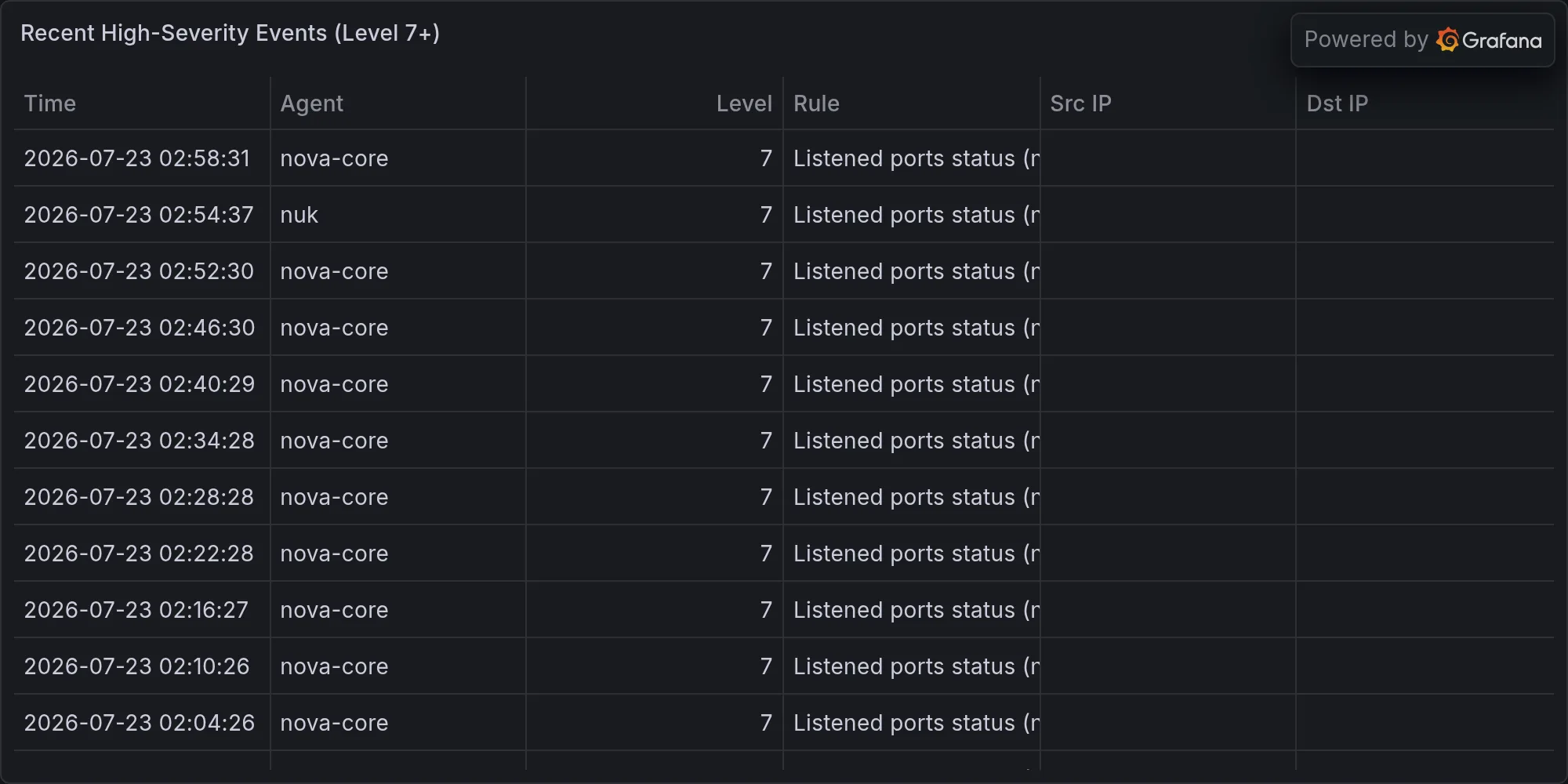
Recent high-severity events at publish time: