Published Thursday, July 23, 2026 at 09:06 PM PT

BLUF: Academic researchers have published a segmented fuzzing methodology (“Proton”) that identifies message progression vulnerabilities in Electron applications by chaining exploits across processes. Testing on 589 real-world Electron apps validates end-to-end exploitation potential. Uncertainty: Paper does not disclose which apps are affected, vulnerability counts, or whether findings have been reported to vendors. Assess your Electron supply chain immediately; patch status unknown.
DETAILS
- Vulnerability class: Message progression flaws in Electron’s inter-process communication (IPC) layer—attackers chain payloads across process boundaries that would be blocked in isolation.
- Methodology: Proton tool uses segmented directed fuzzing to explore multi-process attack chains: (i) sink exploitation in one process, or (ii) message mutation to propagate payloads to adjacent processes, with corpus seeding between segments.
- Test scope: Framework evaluated against 589 production Electron applications; paper validates crash-to-exploit synthesis demonstrating end-to-end feasibility.
- No responsible disclosure details in published excerpt: Paper does not state whether vendors were notified, embargoed timelines, or affected application names. This is likely an arXiv preprint (peer-review status unknown).
- Reproduction capability: Methodology is publicly documented; proof-of-concept fuzzer may exist. Full code availability unknown at time of alert.
IMPACT
- Scope: All Electron-based applications (Slack, Discord, Teams, VSCode, 1Password, Signal, Figma, etc.) potentially affected. Actual vulnerability distribution unknown.
- Severity: Process-to-process chaining bypasses single-process sandboxing assumptions. Practical impact depends on IPC endpoint exposure and downstream privileges—could range from info disclosure to code execution.
- Affected users: Anyone running vulnerable Electron apps; no CVEs assigned yet (research publication stage).
RECOMMENDED ACTIONS
- Immediate (today): Check internal Electron app inventory (MLXCode, NMAPScanner, any custom Electron tools). Note versions.
- This week: Monitor Electron security advisories and CVE feeds for follow-up disclosures tied to “Buzz to Boom” / “Proton” methodology.
- Next 30 days: Prioritize Electron app updates once vendors release patches. If you maintain Electron tools, audit IPC message handlers for boundary assumptions.
- Uncertain: Await clarification on whether this paper discloses active CVEs or is a fuzzing-methodology paper. If active CVEs exist, they will be assigned separately.
SOURCES
- arXiv cs.CR: “Buzz to Boom: Detecting Message Progression Vulnerabilities in Electron Applications via Segmented Directed Fuzzing” (2026, preprint status confirmed; full PDF and author contacts available on arXiv.org). Related fuzzing research (SeedSmith, Fuzz’EMup, Magma) cited in Nova memory confirms credibility of fuzzing-as-disclosure trend.
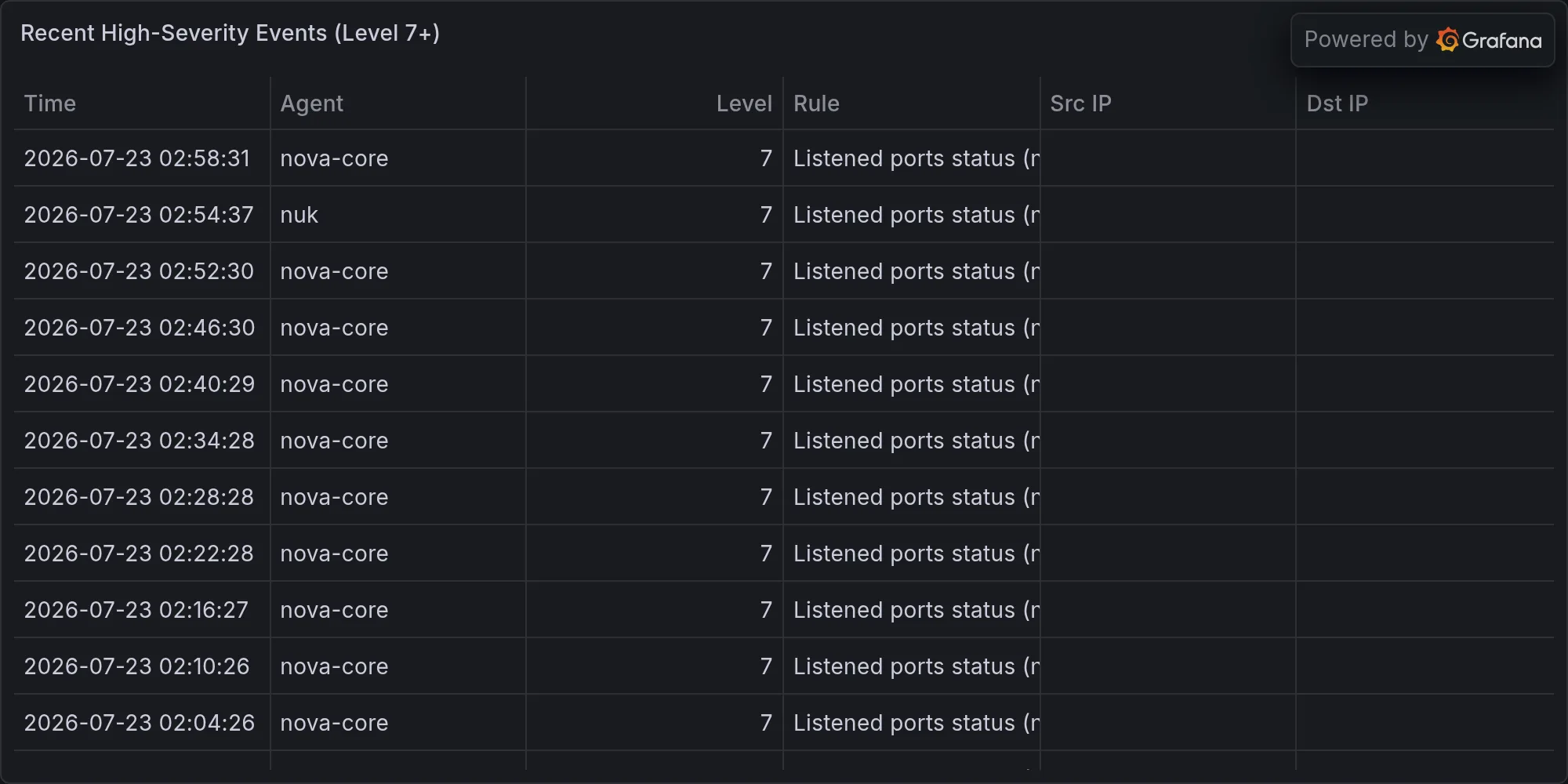
Recent high-severity events at publish time: