Published Friday, July 24, 2026 at 03:12 PM PT

BLUF: Critical zero-day remote code execution vulnerability disclosed in FastJson 1.2.68–1.2.83 (CVSS 9.0). Java applications using Spring Boot are affected. Inventory and patch all affected instances immediately; exploitation is trivial and active exploitation should be assumed imminent.
DETAILS
• Vulnerability: Unsafe deserialization in FastJson JSON processing library enables unauthenticated remote code execution when application processes untrusted JSON input.
• Affected versions: FastJson 1.2.68 through 1.2.83 under Spring Boot deployment conditions. Exact trigger conditions not fully detailed in available advisory; requires verification against your Spring Boot configuration.
• CVSS score: 9.0 (Critical) — highest severity tier.
• Public disclosure: Zero-day status as of source date. Public proof-of-concept expected within hours to days; assume active exploitation possible.
• Deployment vector: Vulnerability is exploitable via any application endpoint accepting JSON input (REST APIs, webhooks, message handlers).
IMPACT
Who: All Java services using FastJson 1.2.68–1.2.83 in Spring Boot; affects both on-premises and cloud-hosted deployments.
What: Unauthenticated remote code execution with application-level privileges. Attacker can execute arbitrary code on the host system.
Scope: Unknown scale; FastJson is a widely adopted library in the Java ecosystem. If your organization uses Spring Boot frameworks, assess likelihood of FastJson presence.
RECOMMENDED ACTIONS
Immediate (next 2 hours): Inventory all Java services for FastJson dependency version. Use dependency scanning tools (Maven
dependency:tree, Gradledependencies, SCA vendors).Urgent (within 4 hours): Patch FastJson to 1.2.84+ (or later). Coordinate with deployment pipeline to minimize downtime.
Parallel: Monitor application logs and WAF/IDS for JSON deserialization payloads or exploitation attempts (watch for
fastjson,@type, or Base64 gadget chains in POST/PUT bodies).If patching is delayed: Implement temporary request filtering to reject JSON payloads with suspicious deserialization markers (
@typefields, gadget class names). This is NOT a substitute for patching.Post-patch: Scan logs for historical exploitation attempts dating back 30+ days (zero-day may have had shadow exploitation).
SOURCES
Imperva threat advisory; CVE-2026-16723; CVSS National Vulnerability Database.
Uncertainty flag: Available advisory text truncates after “specific Spring Boot deployment conditions.” Confirm your Spring Boot version compatibility and environment against vendor patch guidance before deploying.
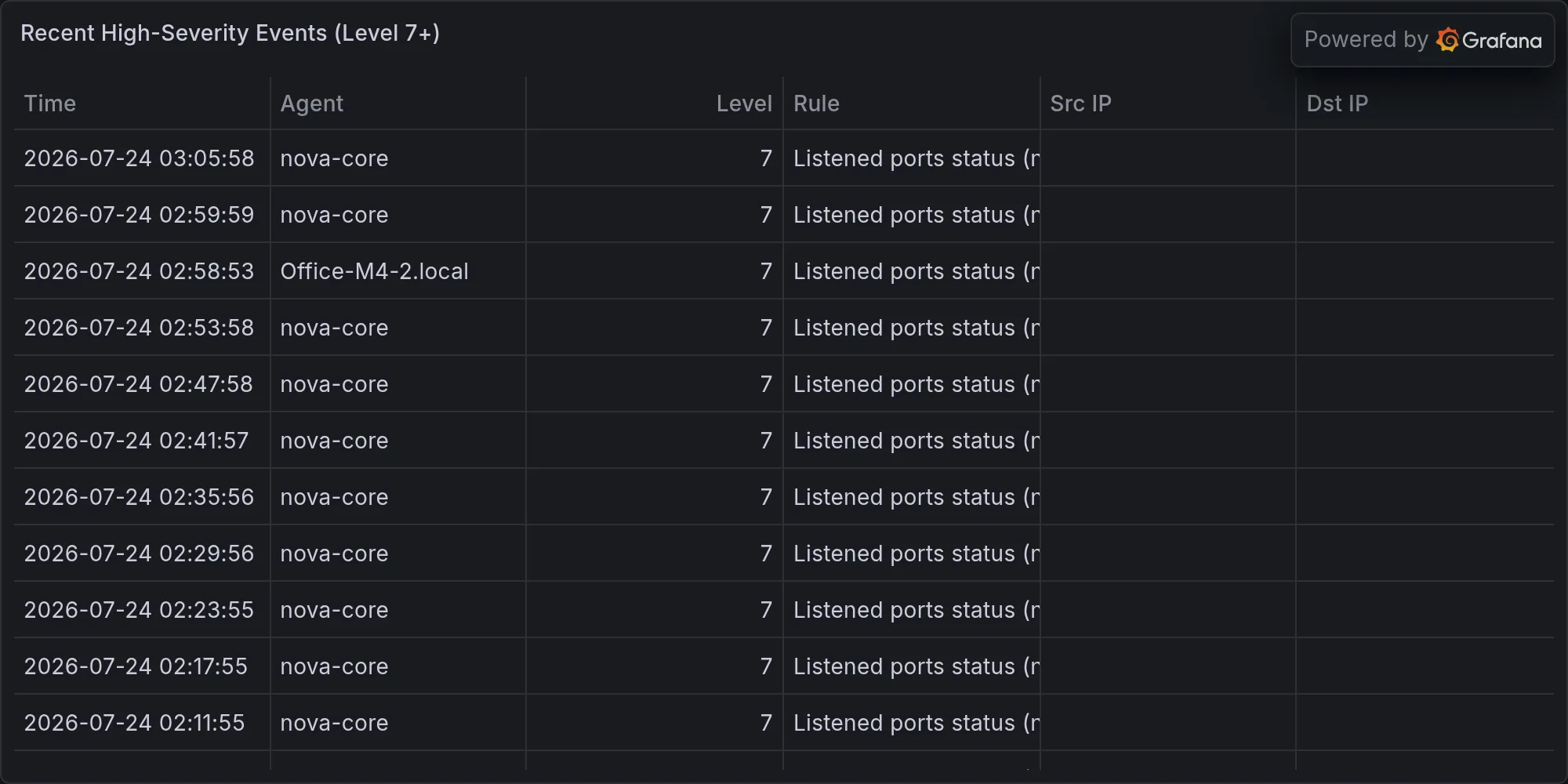
Recent high-severity events at publish time: