Published Tuesday, July 28, 2026 at 03:49 AM PT

BLUF: The U.S. Government Accountability Office has determined that overlapping federal cybersecurity regulations are creating duplicative compliance burdens across critical infrastructure operators. Federal agencies and regulated entities must consolidate and streamline regulatory requirements to reduce administrative overhead and allow focus on actual security hardening rather than checkbox compliance.
DETAILS
- GAO report confirms a growing number of federal cybersecurity regulations creates redundant compliance obligations across critical infrastructure sectors.
- Duplicative regulatory requirements divert resources from operational security improvements to administrative compliance tracking.
- Related GAO findings identify outdated cybersecurity roadmaps (TSA) and implementation gaps (FAA) in key infrastructure sectors.
- Parallel threats remain active: Iranian state actors are actively targeting internet-connected PLCs; FSB Center 16 campaigns are targeting routers across critical infrastructure networks.
- Existing frameworks (NERC CIP) operate on checklist-driven compliance models that do not map to operational security realities of substations and distribution-edge systems.
IMPACT
Federal Agencies: DoD, DHS, TSA, FAA, NERC regulators and coordination bodies.
Private Sector: Operators of critical infrastructure (power, transportation, water, communications) must maintain compliance across multiple overlapping federal regulatory schemes, increasing operational expense without proportional security gain.
Scope: Duplicative reporting rules are the norm across federal cybersecurity programs—not the exception.
RECOMMENDED ACTIONS
- Immediate (30 days): Federal agencies with cybersecurity regulatory authority should audit overlapping mandates and identify consolidation targets in coordination with OMB and CISA.
- Short-term (90 days): Critical infrastructure operators should map current compliance activities to all applicable federal rules; identify and document redundancy in reporting, assessment, and remediation requirements.
- Ongoing: Maintain separate vigilance for active threats (Iranian PLC campaigns, FSB router attacks) independent of regulatory compliance posture—do not allow compliance efforts to distract from threat response.
- Strategic: Advocate for regulatory modernization that ties cybersecurity mandates to operational outcomes rather than procedural checkboxes.
SOURCES
- U.S. Government Accountability Office (GAO) cybersecurity report on federal regulatory duplication.
- GAO findings on TSA/FAA cybersecurity roadmap and implementation gaps.
- CISA/NSA joint advisories on active threats (Iranian PLC targeting, FSB router campaigns).
- Industrial Cyber threat tracking (NERC CIP operational alignment concerns).
Status: REGULATORY POLICY — not an active attack alert. Implement compliance review and consolidation immediately; maintain active threat monitoring in parallel.
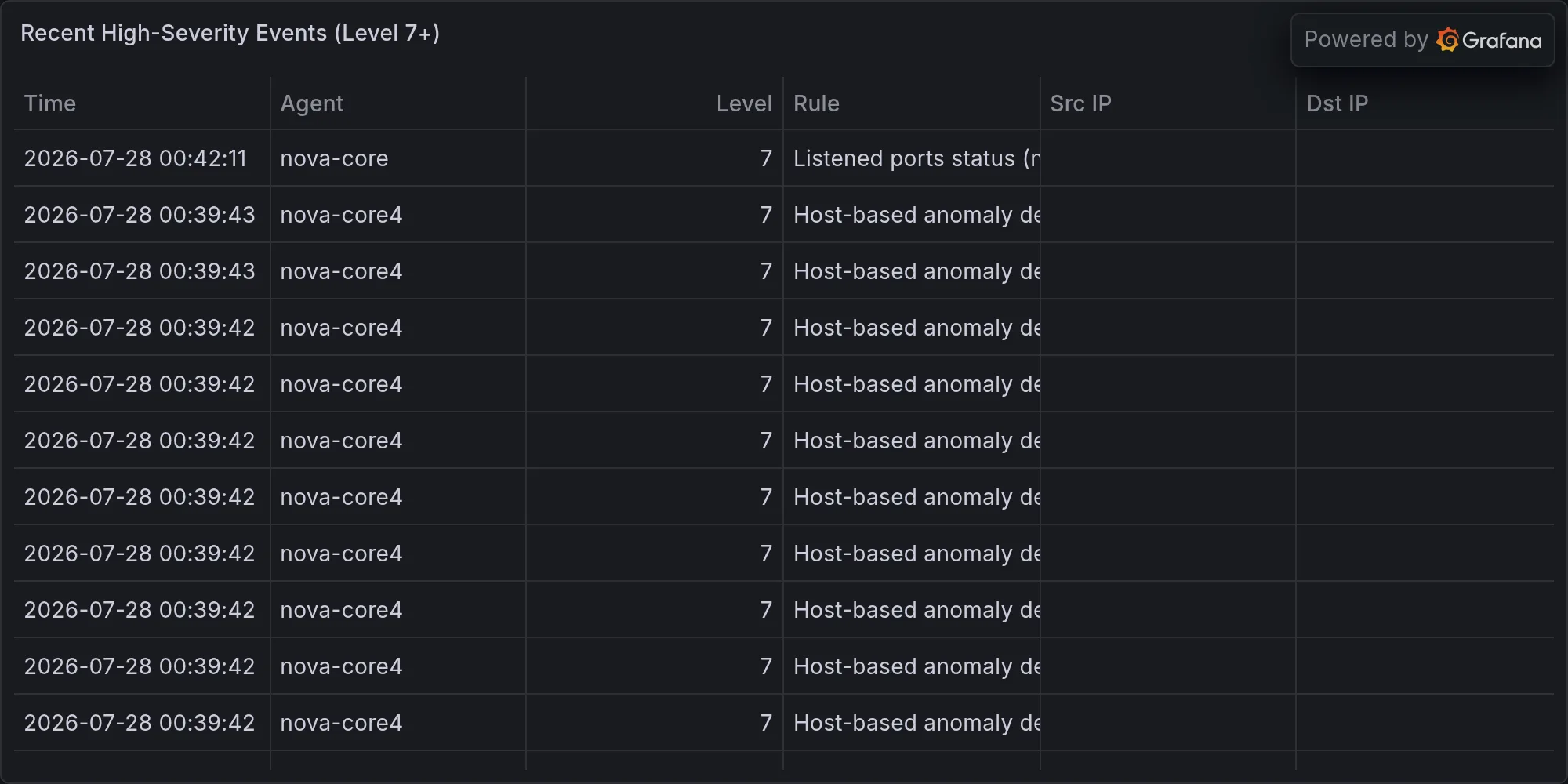
Recent high-severity events at publish time: