Published Sunday, August 02, 2026 at 09:58 PM PT

BLUF: Emerging peer-reviewed research identifies fundamental blind spots in critical infrastructure resilience assessment methodologies. Primary concern: inadequate observability of process-level perturbations and “differentiated fragility burden” in antifragility testing protocols. Complementary findings flag security AI hallucinating capabilities, regulatory bypass potential under EU Cyber Resilience Act, and jailbreak attacks on LLM-based security tools. Status: Academic research — no active exploitation reported. Flagging for monitoring as methodologies may transition to operational threat landscape.
DETAILS
- arXiv cs.CR identifies process-level perturbation observability as critical research gap in future antifragility testing for critical infrastructure; proposes “differentiated fragility burden” framework.
- Protective Capacity Hallucination research shows AI security systems claim nonexistent capabilities; deployment-side capability boundaries poorly specified; defect replicable in operational pipelines.
- EU Cyber Resilience Act compliance gap: AI-powered cybersecurity agents may fail to meet regulatory conformity requirements; applies to both attacker and defender AI symmetrically.
- Jailbreak vulnerability: Deterministic search-based attacks (Best-of-N over code encodings) break self-check defenses in LLM security pipelines; confirms repeatable exploit pattern.
- Power analysis attacks against secure in-memory computing (ARMOR-IMC) undermine hardware-level resilience assumptions in critical infrastructure.
IMPACT
- Critical infrastructure operators relying on AI-enhanced resilience testing may operate with undetected process-level blind spots.
- Security AI deployments (cloud, on-prem) may silently carry unacknowledged capability gaps and regulatory compliance risk.
- Scope: Theoretical/research phase; no confirmed breaches or active operational exploitation.
- Affected: Future-facing resilience programs, AI-driven security tools, regulatory compliance strategies (EU-focused initially).
RECOMMENDED ACTIONS
- Subscribe to arXiv cs.CR antifragility and resilience research (monthly review cadence minimum).
- Audit internal AI security tool capability claims against independent testing.
- Escalate: flag process-level perturbation observability as control gap in critical infrastructure resilience reviews.
- No immediate operational response required. Escalate to CISO for strategic resilience framework review.
SOURCES
arXiv cs.CR — Beyond Resilience: Antifragility in Critical Infrastructure Cybersecurity; Protective Capacity Hallucination: When Large Language Models Claim Nonexistent Capabilities; Certifying Ghosts: How Cybersecurity AI Agents Break the EU Cyber Resilience Act; ARMOR-IMC: Adaptive Resource Mapping for Operational Robustness; Borrowed Strength: Best-of-N Search over Code Encoding (jailbreak methodology).
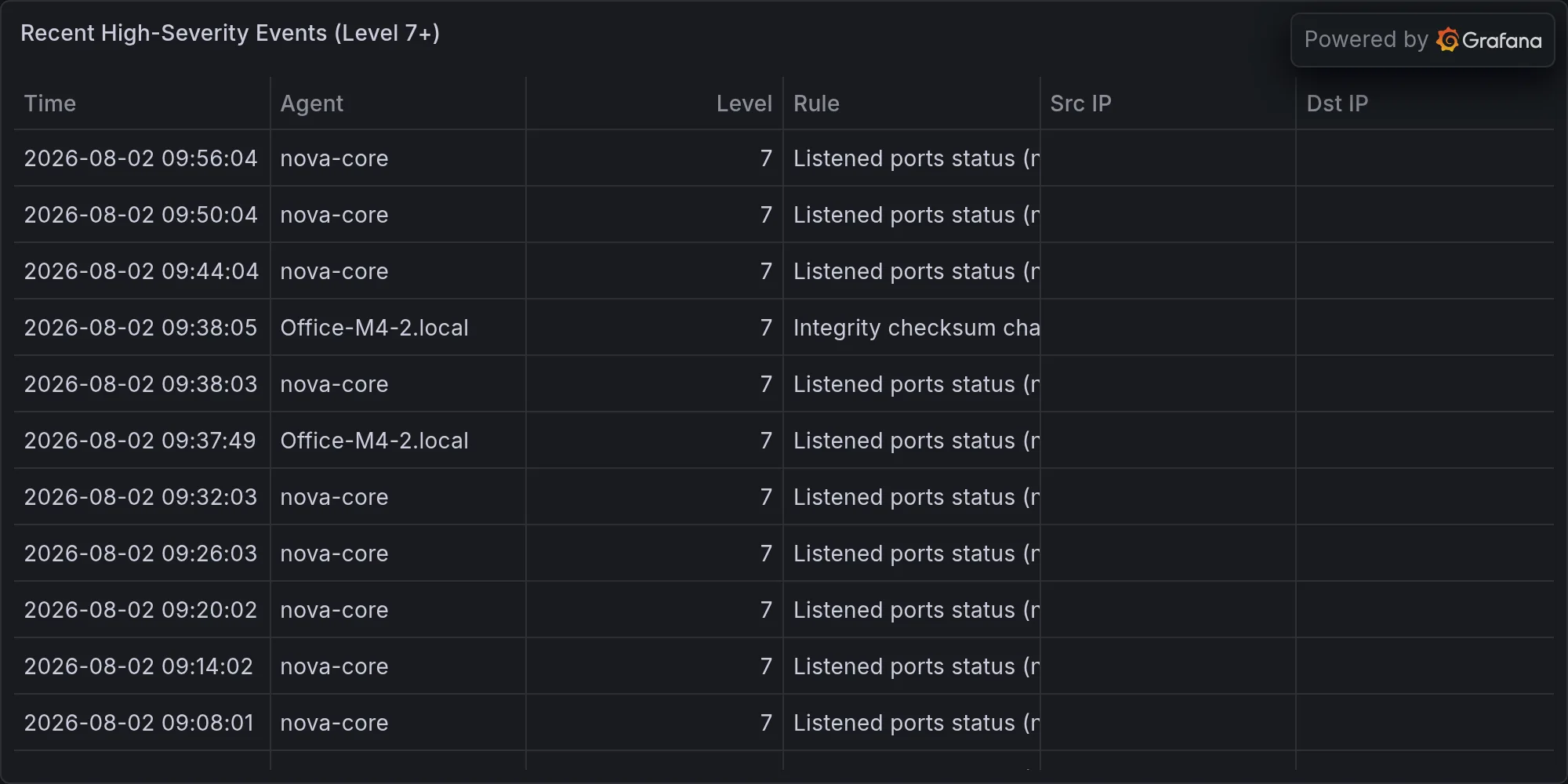
Recent high-severity events at publish time: