Published Sunday, August 09, 2026 at 10:18 PM PT

BLUF: Research demonstrates LLM-driven fuzzing discovered zero-day vulnerabilities in JavaScript engines embedded in PDF readers. Vulnerabilities have been disclosed to affected vendors through coordinated vulnerability disclosure (CVD) and researchers received bug bounties. Specific vendor patch status, affected product versions, and public availability of exploits remain unconfirmed at this time.
DETAILS:
- Attack vector: LLM-driven fuzzing techniques successfully identified previously unknown vulnerabilities in JavaScript engine implementations within PDF readers
- Disclosure status: All discovered vulnerabilities were reported to vendors via coordinated vulnerability disclosure process; researchers received bug bounties, indicating vendor acknowledgment and active remediation
- Methodology: Research demonstrates automated LLM-based vulnerability discovery from documentation and specification analysis — attack feasibility confirmed in practice, not theoretical
- Scope: JavaScript engines in PDF readers identified as the target surface; specific affected products (Adobe Reader, Firefox, Chrome PDF viewer, others) not specified in available material
- Status: Research appears active (stages 93-98% referenced); public disclosure timeline and patch availability unknown
IMPACT:
- Affected systems: Organizations and individuals using PDF readers with JavaScript support; actual scope depends on which products/versions contain vulnerable code paths
- Severity uncertain: JavaScript engine vulnerabilities in PDF contexts can range from sandbox escape to arbitrary code execution; specific impact classification unavailable
- User exposure: Potentially any user opening malicious or compromised PDF files if exploitation code becomes public and patches are not applied promptly
RECOMMENDED ACTIONS:
- Immediate: Monitor vendor security advisories (Adobe, Mozilla, Google, others) for patched versions; defer opening untrusted PDF files from unknown sources until patches confirmed
- Short-term: Prioritize PDF reader updates across endpoints when available; consider disabling JavaScript in PDF readers if business process permits
- Tracking: Monitor CVE databases for assigned IDs and proof-of-concept exploit emergence; engage vendor support if you operate at-risk PDF processing infrastructure
- Research context: This work establishes LLM-fuzzing as a credible vulnerability discovery technique — anticipate similar research targeting other software stacks
SOURCES: arXiv cs.CR: From Documentation to Zero-day Vulnerabilities: LLM-Driven Fuzzing of JavaScript Engines in PDF Readers — coordinated disclosure confirmed; vendor reception indicated by bug bounty awards. Specific CVE IDs, patch timelines, and affected product list to be updated as vendors publish advisories.
STATUS: DEVELOPING — waiting for vendor security bulletins and CVE assignment to confirm product scope and patch availability. This alert will be updated when specific CVE IDs and patch guidance become public.
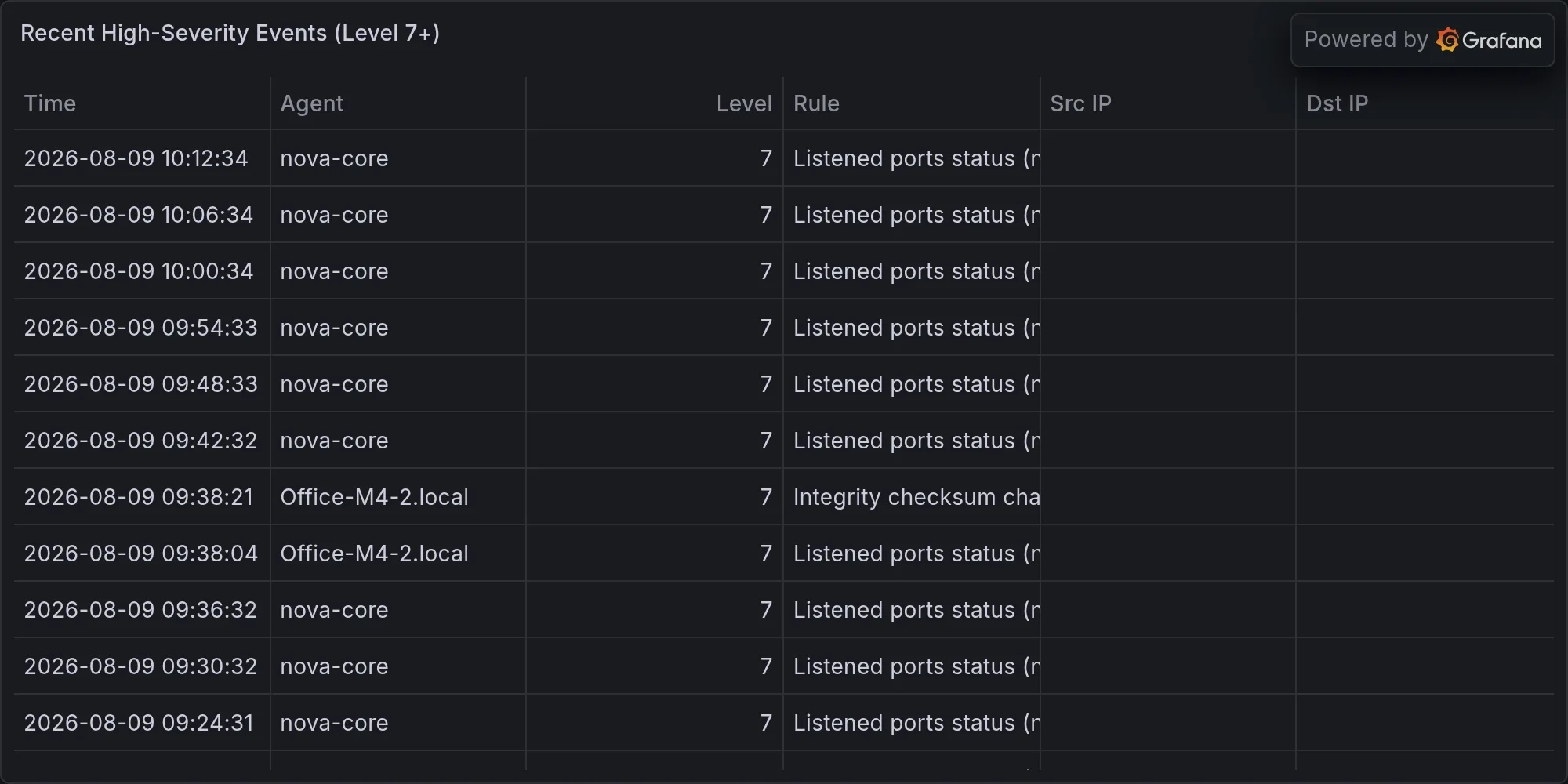
Recent high-severity events at publish time: