Published Monday, August 10, 2026 at 10:22 AM PT

BLUF: Senate Intelligence Committee Chair Tom Cotton has formally requested Treasury Secretary Scott Bessent reshape federal tax guidance to incentivize cybersecurity investment in critical infrastructure operational technology (OT) systems. This policy push signals heightened federal concern over OT vulnerabilities; Treasury response timeline and specific mechanisms remain unconfirmed at this time.
DETAILS:
- Sen. Tom Cotton (R-AR) submitted formal letter to Treasury Secretary Bessent requesting federal tax code revision to remove financial barriers to critical infrastructure OT cybersecurity investment
- Request targets tax guidance modernization to improve return-on-investment (ROI) calculus for operators funding OT upgrades (legacy systems in utilities, hospitals, manufacturing, transportation)
- Action aligns with concurrent federal legislative efforts including the Rural Hospital Cybersecurity Enhancement Act and Gold Eagle critical infrastructure coordination initiative
- Focuses specifically on operational technology (legacy/embedded systems), distinct from traditional IT security, where tax incentives are less established
- No formal Treasury response, proposed tax mechanisms, or timeline for implementation yet publicly confirmed
IMPACT:
- Critical infrastructure scope: Directly affects water utilities, electrical grid operators, hospitals, and manufacturing facilities operating decades-old OT environments identified as persistent cyber targets
- Capital mobilization: If enacted, Treasury guidance could unlock private sector capital for OT modernization by improving investment economics; current lack of tax parity with traditional IT cyber spending creates disincentive
- Workforce strain: Related initiatives emphasize workforce development; signals growing OT cyber skill gap and likely acceleration of training/hiring demands
- Compliance cascade: Early signal that federal policy will increasingly tie tax benefits to cyber modernization—expect compliance timelines to tighten for operators in regulated sectors
RECOMMENDED ACTIONS:
- Infrastructure operators: Begin scoping OT modernization roadmaps; track Treasury guidance announcements for incentive framework details
- Finance/procurement teams: Prepare cost-benefit models assuming improved tax treatment; coordinate with security teams on prioritized upgrades
- Policymakers: Monitor formal Treasury response; prepare for likely follow-up congressional hearings on implementation
SOURCES: Senate Intelligence Committee (Cotton); CyberScoop; Rural Hospital Cybersecurity Enhancement Act; OTCC/CISA coordination statements; Cyber Shield 2026 framework
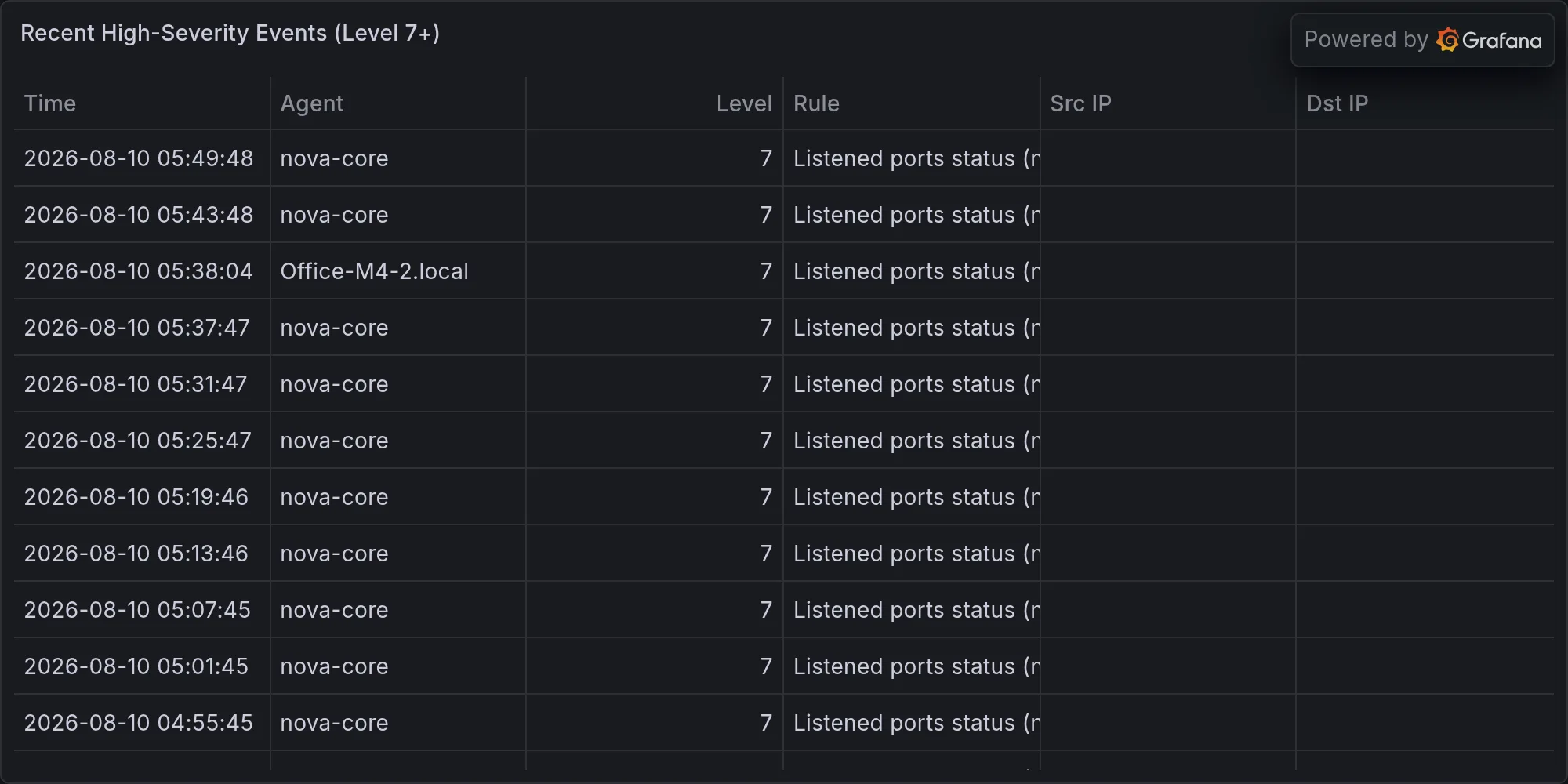
Recent high-severity events at publish time: