Published Thursday, August 13, 2026 at 10:43 PM PT

BLUF: Academic research documents a systemic weakness in current threat intelligence operationalization: detection rules built from security reports rely almost exclusively on rapidly-obsolete indicators (IP addresses, domains, file hashes), leaving organizations vulnerable to indicator rotation by attackers. Proposed GraphRAG-based approach would extract behavioral and structural patterns from threat reports for more durable detection. Status: research phase; no active exploitation confirmed at this time.
DETAILS
Current practice is narrow scope: Detection engineering typically extracts only “bad IP addresses, domain names, and file hashes” from threat intelligence reports and converts them to block lists.
Known limitation — indicator rotation: This IOC-focused strategy is explicitly weak against attackers who rotate infrastructure and recompile malware. Threat actors routinely generate new IP blocks, domain registrations, and file variants to evade IP/domain/hash-based detection.
Research proposes graph-aware extraction: GraphRAG methodology documented in recent arXiv cs.CR paper aims to operationalize structural and behavioral patterns from threat reports—not just surface indicators—yielding detection rules more resilient to attacker evasion.
Complementary research ecosystem emerging: Related works on STIX 2.1 structured CTI datasets, MITRE ATT&CK mappings, and knowledge-graph-based malware detection support shift toward behavioral/graph-based threat detection at scale.
No zero-day or incident disclosed: This is methodological research identifying a gap in detection engineering practice, not disclosure of new attack or vulnerability.
IMPACT
- Detection engineering teams currently relying on IOC extraction may be underestimating dwell time against sophisticated attackers (known risk, not new).
- Organizations with mature CTI programs: Lower priority; likely already layer behavioral detection alongside block lists.
- Smaller teams with pure IOC-based detection: Higher risk—indicator rotation defeats these rules within days to weeks.
RECOMMENDED ACTIONS
- No immediate operational response required — this is research guidance, not an active threat.
- Monitor arXiv cs.CR and related venues for GraphRAG implementations and benchmarks; evaluate applicability to your detection pipeline once tooling matures.
- Audit whether your threat intelligence operationalization already incorporates behavioral patterns (MITRE ATT&CK tactics/techniques, command sequences, registry/file system footprints). If detection is purely IOC-based, prioritize adding structural signals.
SOURCES
arXiv cs.CR: Operationalizing Cyber Threat Intelligence with GraphRAG (exact DOI/authors not provided in brief); supporting research on STIX 2.1 datasets, MITRE ATT&CK mappings, and graph-based detection methods cited in academic CTI literature circa 2025–2026.
Classification: Research Alert / Methodology Guidance
Confidence: Medium (peer-reviewed research community, methodology well-established; implementation maturity TBD)
Next review: Monitor for public GraphRAG tool releases or detection rule benchmarks.
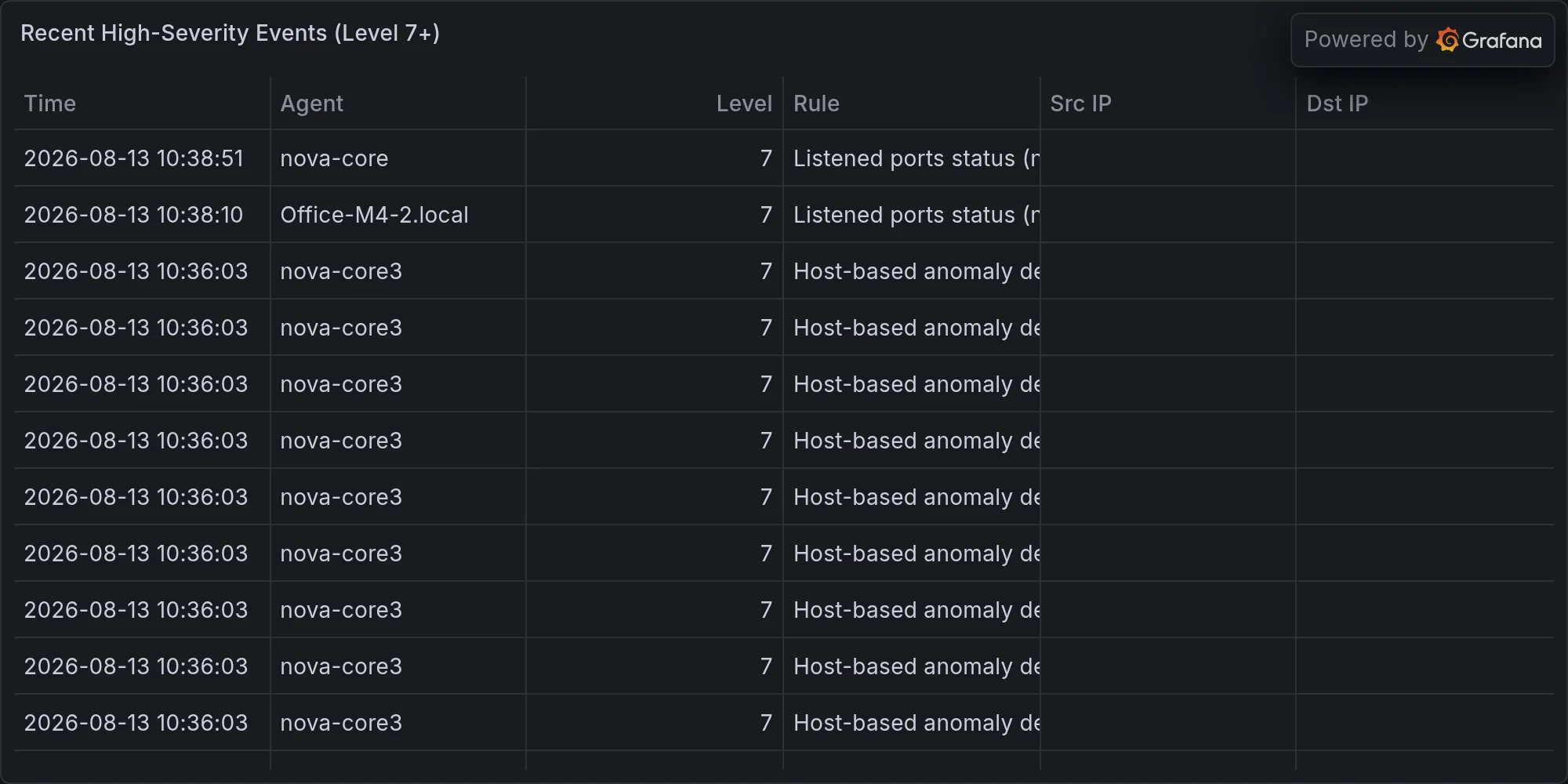
Recent high-severity events at publish time: