Published Thursday, August 13, 2026 at 04:39 AM PT

BLUF: Threat actor group Nightmare Eclipse has disclosed a Windows zero-day vulnerability (“ShieldBreak”) with publicly available proof-of-concept code enabling privilege escalation to SYSTEM level. Vulnerability bypasses Microsoft Defender patches. Affected OS versions and official CVE details remain unconfirmed; treat as DEVELOPING.
DETAILS
- Threat Actor: Nightmare Eclipse disclosed ShieldBreak, a Windows privilege escalation zero-day
- Capability: Enables attackers to escalate privileges to SYSTEM-level access on compromised systems
- Status: Proof-of-concept (PoC) code reportedly released; active disclosure underway
- Defense Bypass: Exploits bypass Microsoft Defender patches (specifically “RoguePlanet” patch)
- Critical Unknowns: Specific CVE ID, affected Windows versions, attack prerequisites, and CVSS score not yet confirmed in available sources
IMPACT
- Scope: Potentially all Windows systems pending confirmation of affected versions
- Severity: SYSTEM-level access could lead to full system compromise, persistence, and lateral movement
- Timeline Risk: Public PoC availability increases probability of rapid weaponization and mass exploitation
- Defense Implications: Systems reliant on Microsoft Defender alone may lack detection/prevention capabilities
RECOMMENDED ACTIONS
- Immediate: Monitor systems for suspicious privilege escalation attempts; enable security event logging if not already active
- Tracking: Watch Microsoft Security Response Center (MSRC) for official CVE assignment and patching timeline
- Contingency: Prepare rapid patching procedures; consider temporary application of Windows AppLocker or similar control policy
- Detection: If EDR/XDR available, tune for privilege escalation behaviors; cross-reference against PoC signatures when details emerge
SOURCES
news4hackers, securityaffairs, The Hacker News
Full technical details (CVE, affected versions, attack vectors) pending official Microsoft disclosure
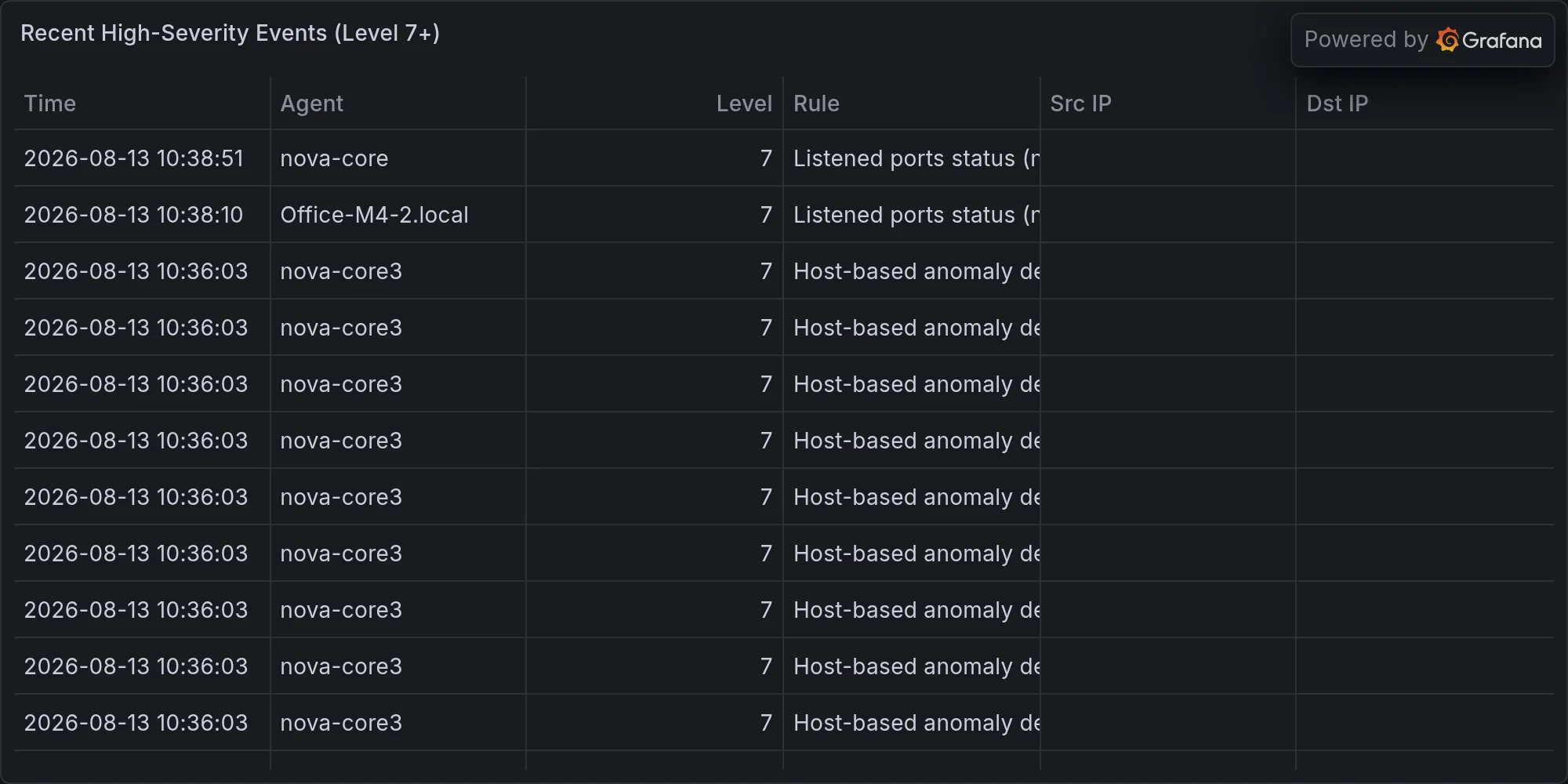
Recent high-severity events at publish time: