Published Friday, August 14, 2026 at 04:18 PM PT

BLUF: North Korean Lazarus Group is actively exploiting an unpatched Windows zero-day vulnerability to deploy backdoors and achieve SYSTEM-level code execution. Defense contractors and technology firms are confirmed targets. Patch details and CVE assignment remain unconfirmed; assume all Windows systems at risk pending vendor advisory.
DETAILS:
Actor & Attribution: Lazarus Group (DPRK state-sponsored APT) conducting active exploitation campaign identified as Operation Dream Job. Confirmed by Group-IB, SecurityAffairs, and multiple independent security news sources.
Vulnerability: Windows zero-day (CVE details not yet disclosed) grants full SYSTEM access and arbitrary code execution. Exploit is in active use; vulnerability remains unpatched as of alert generation.
Payload & Persistence: Successful exploitation delivers backdoor payloads enabling persistent C2 access, data exfiltration, and lateral movement within victim networks.
Delivery Mechanism: Social engineering via fake job offers; attackers also distributing malicious payloads through hacked Korean-hosted websites and infrastructure. Employment sector social engineering is primary vector.
Confirmed Targets: Defense contractors explicitly mentioned; secondary targeting inferred across technology and critical infrastructure sectors. Campaign scope and victim count not yet disclosed.
IMPACT:
- Scope: Unpatched vulnerability; Windows systems worldwide potentially at risk pending Microsoft patch availability.
- Attack Surface: Job-seekers, recruits, employees reviewing external recruitment communications; any user visiting compromised Korean-hosted web infrastructure.
- Threat Model: Backdoor persistence, data theft, C2 command execution, internal network reconnaissance and lateral movement.
- Confidence Level: High — confirmed by Group-IB intelligence firm and coordinated reporting across SecurityWeek, BleepingComputer, Help Net Security, News4Hackers, and The Hacker News.
RECOMMENDED ACTIONS:
Immediate Triage: Assume compromise if your organization received, opened, or viewed suspicious job-offer attachments or visited compromised Korean-hosted sites in recent weeks. Isolate suspected machines from network pending forensic examination.
Detection: Hunt for SYSTEM-level process creation anomalies, unusual network connections to APAC IP addresses, and new local administrative accounts created outside normal provisioning.
Forensics: Preserve Windows event logs, memory dump, and network traffic from suspected compromised systems before remediation.
Credentials: Assume credential compromise on affected machines. Reset passwords for all users with activity on compromised systems; rotate API keys, SSH keys, and stored secrets.
Patch Readiness: Monitor Microsoft Security Response Center for Windows patch; treat as critical priority when released. Do not delay patching in favor of testing cycles.
Partner Coordination: If your organization is a defense contractor or works with same, coordinate with your supply chain on indicators and threat notifications.
SOURCES:
Group-IB (APT intelligence), SecurityAffairs, SecurityWeek, BleepingComputer, Help Net Security, News4Hackers, The Hacker News. Coordinated multi-vendor reporting; no single source.
Status: Active exploitation confirmed. CVE number and patch timeline unavailable as of alert publication.
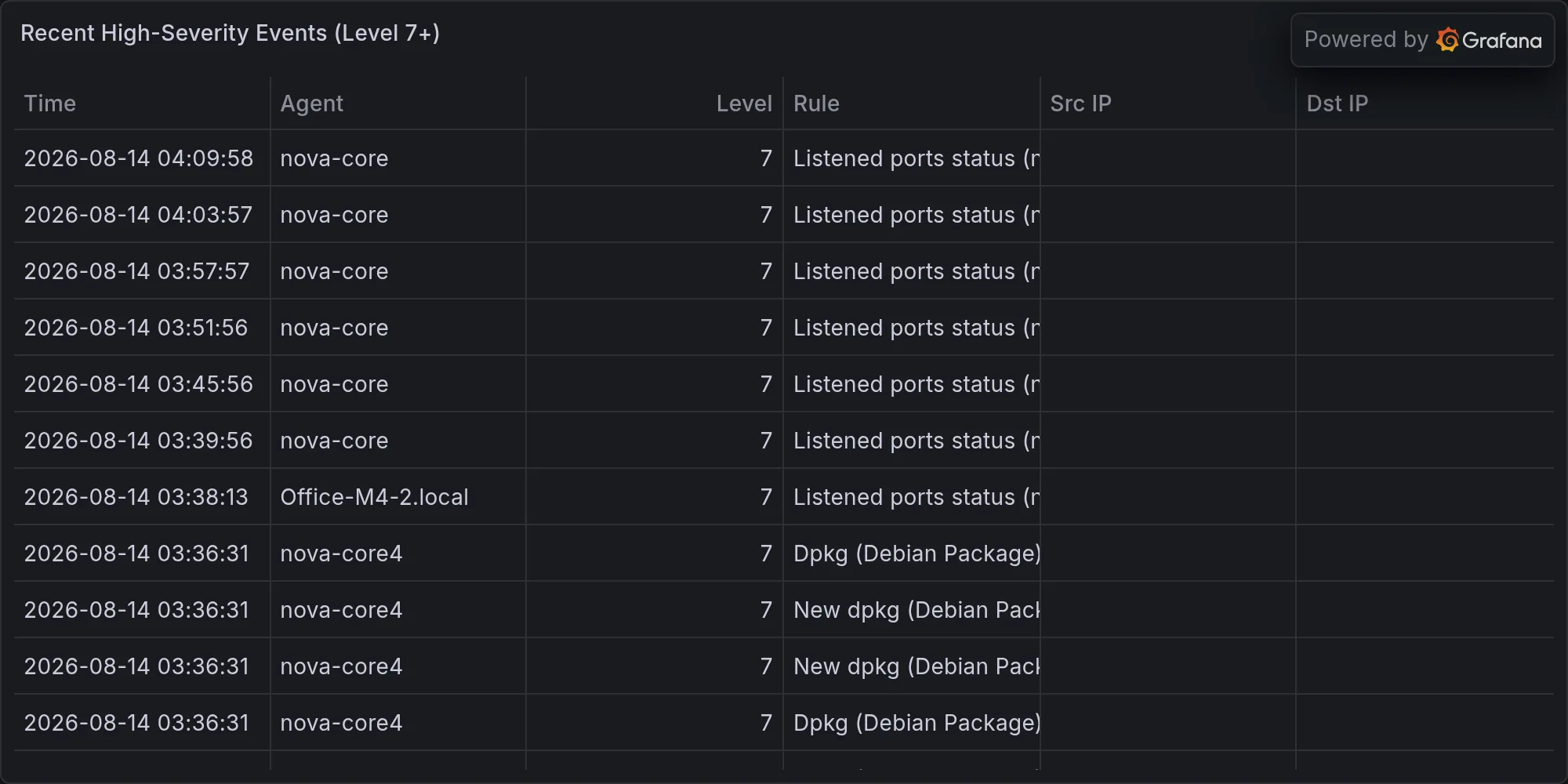
Recent high-severity events at publish time: