Published Saturday, August 15, 2026 at 04:19 AM PT

BLUF: GeoServer contains an unpatched zero-day SQL injection vulnerability that is actively being probed by attackers in the wild. Organizations running on-premises GeoServer deployments should immediately audit access logs, restrict network exposure, and monitor for exploitation attempts. Patch details and CVE assignment remain pending; full technical scope is not yet public.
DETAILS
- Vulnerability class: SQL injection in GeoServer (geospatial data platform); allows remote code execution or database compromise depending on backend configuration
- Status: Unpatched zero-day; actively probed by threat actors; no coordinated disclosure window evident
- Reconnaissance activity confirmed: Security researchers have observed active scanning and probe attempts against unpatched instances; however, successful exploitation payloads have not yet been recovered—activity pattern suggests active intelligence gathering rather than widespread compromise
- Scope: On-premises GeoServer deployments are known targets; SaaS/managed instances status unclear from available intel
- Timeline: Attack activity detected as of 2026-08-13; no patch or ETA provided by Boundless Geo or parent organization
IMPACT
- Affected systems: Any organization running unpatched GeoServer, particularly those exposing instances to untrusted networks or via the public internet
- Exposure: SQL injection typically enables database exfiltration, authentication bypass, or lateral movement depending on database permissions and GeoServer security posture
- Severity: HIGH — remote, unauthenticated exploitation assumed possible given zero-day nature and active probe activity
- Typical users affected: Mapping services, government/infrastructure agencies, environmental data platforms, urban planning tools, emergency response systems
RECOMMENDED ACTIONS
- Immediate (today): Audit network access to all GeoServer instances; restrict to trusted sources only; if public-facing, take offline or place behind authentication layer
- Urgent (24–48 hrs): Check access logs for unusual SQL commands, authentication failures, or POST requests to REST API endpoints; preserve logs for forensics
- Ongoing: Subscribe to Boundless Geo security advisories and CISA alerts for patch ETA; enable verbose logging on database layer
- Prepare for patch: Stage test environment; plan maintenance window; ensure backup/recovery procedures are current
SOURCES
- SecurityAffairs, SecurityWeek, CSO Online (2026-08-13/14) — active probe reports and payload analysis
- CrowdStrike, Homeland Security Digital Library — threat context
- No CVE assigned; tracking as “GeoServer zero-day SQL injection” pending official disclosure
STATUS: Developing — full technical details, CVE number, and patch timeline not yet released. Alert will update on patch availability.
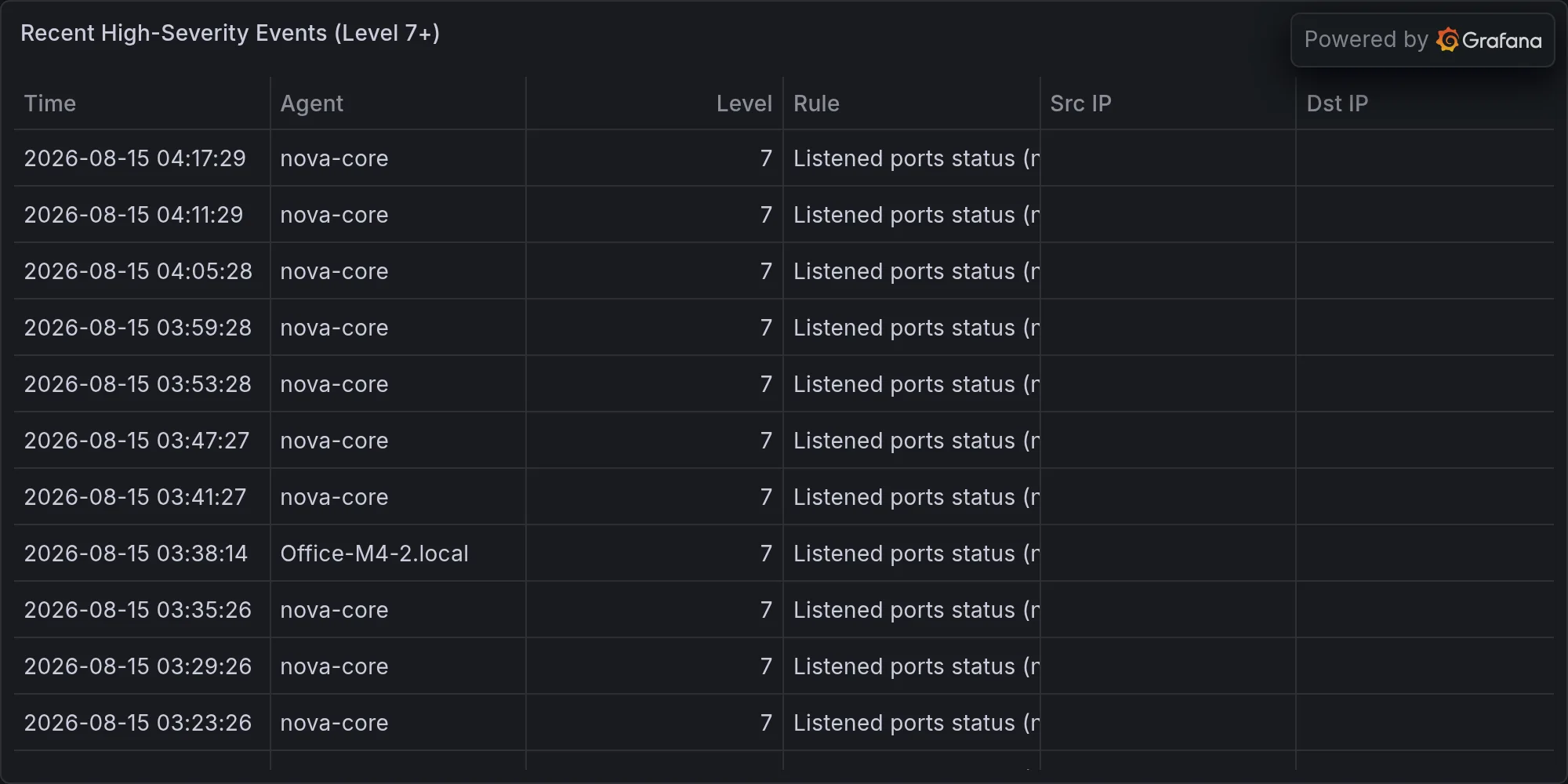
Recent high-severity events at publish time: