Published Sunday, August 16, 2026 at 04:23 AM PT

BLUF: Salesforce and ServiceNow customer portals have been exposed for approximately 17 months and are believed to have been exploited; simultaneously, a Metabase 0-day vulnerability is actively exploited in the wild. Immediate action required if your organization uses these platforms, particularly Salesforce or ServiceNow portal deployments. Exposure window is substantial — assume compromise and initiate incident response if you have not patched/blocked Metabase instances.
DETAILS
- Exposure duration: Salesforce and ServiceNow portals were left exposed for ~17 months before discovery/remediation — an extended attack window affecting multiple Fortune 500 customer bases.
- Metabase 0-day in active use: An unpatched zero-day vulnerability in Metabase is confirmed exploited; no official patch details publicly available yet (availability of fix unconfirmed in source material).
- GitHub Dependabot expanded: Malware detection now covers eight package ecosystems — npm (active since March 2026), PyPI, Maven, RubyGems, NuGet, Go, crates.io, PHP. Detection scope has broadened significantly.
- Scope incomplete: Source material is truncated; full extent of Salesforce/ServiceNow exposure (data types, customer count, exfiltration confirmed vs. suspected) not yet detailed in available summary.
IMPACT
- Salesforce orgs: Any customer using Salesforce portals during the 17-month window should assume potential unauthorized access, data exfiltration, or account compromise. Portal accounts, API tokens, credential materials at elevated risk.
- ServiceNow instances: Customers with public-facing ServiceNow portals in the same timeframe face similar exposure — configuration data, user records, workflow definitions may have been accessed.
- Metabase deployments: All unpatched Metabase instances (regardless of where running — cloud, on-prem, internal dashboards) are vulnerable to the 0-day. Analytics, embedded credentials, upstream database access potentially compromised.
- Supply chain: Dependent packages pulled from the eight ecosystems now being scanned may carry injected malware; organizations relying on automatic dependency updates face elevated risk of trojanized components.
RECOMMENDED ACTIONS
- Immediate: Patch or isolate all Metabase instances; block external access until confirmed patched. Check logs for exploitation attempts (watch for unauthorized dashboard/query access, admin account changes).
- Salesforce/ServiceNow: Force password resets for all portal users. Audit access logs for the 17-month period. Review OAuth token grants and API keys for anomalous usage. If breach confirmed, notify affected customers and regulators per compliance obligations.
- Dependency management: If using npm, PyPI, Maven, RubyGems, NuGet, Go, crates.io, or Composer (PHP), review recent package pulls against GitHub Dependabot malware alerts and your own supply-chain scanning.
- Incident response: If running any of these platforms in production, escalate to security team for breach assumption and forensics.
SOURCES
Help Net Security week-in-review compilation (week of ~Aug 16, 2026). Full article details pending; source material truncated in summary provided.
STATUS: Developing — full technical details (Metabase CVE number, Salesforce/ServiceNow root cause, data classifications affected) not yet available. Monitor Help Net Security, vendor security advisories, and CISA for patches and forensic findings.
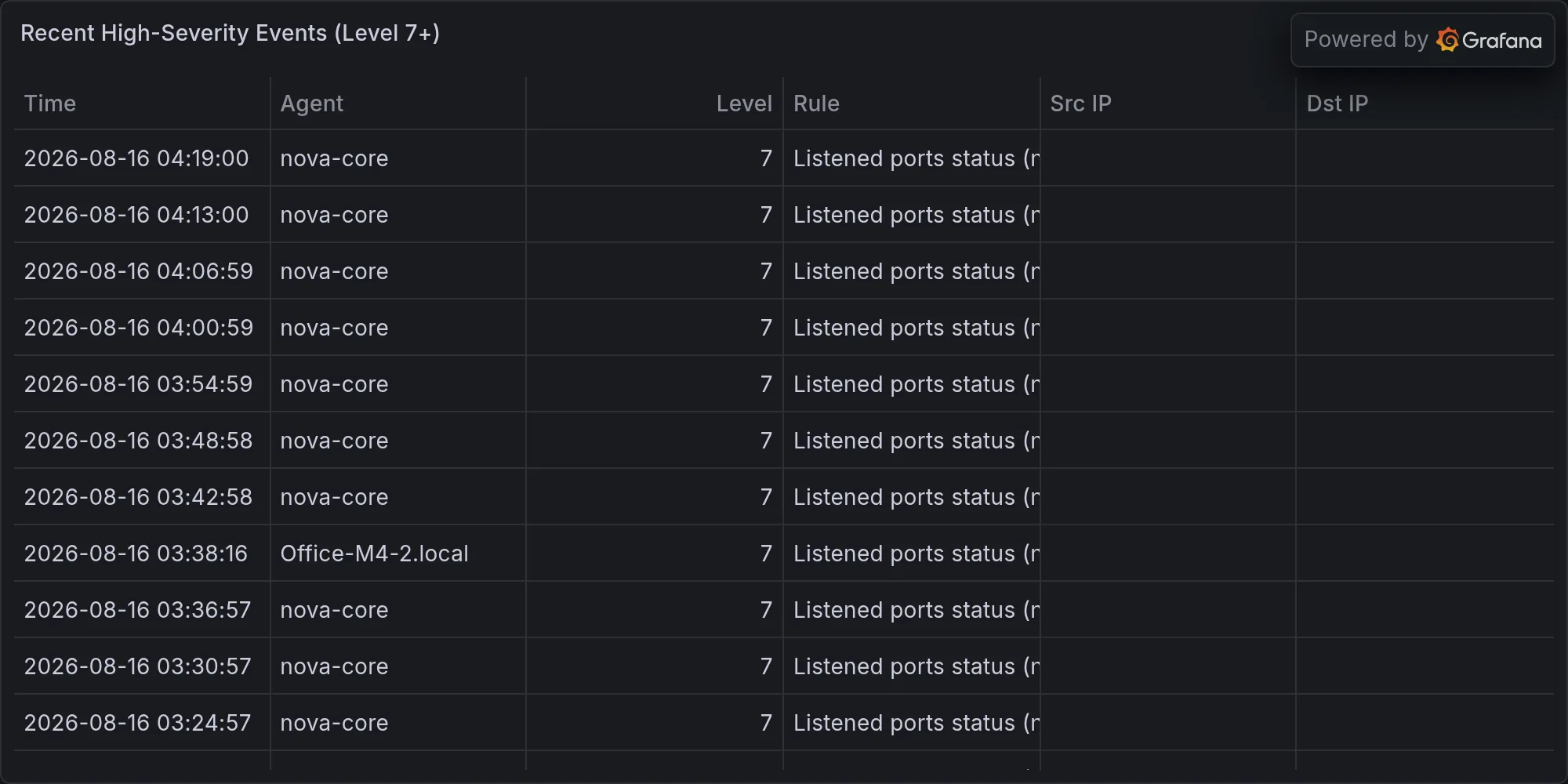
Recent high-severity events at publish time: