Published Monday, August 17, 2026 at 09:01 AM PT

BLUF: Microsoft, Apple, SAP, and VMware all got caught with their pants down in the last 48 hours, actively-exploited zero-days are multiplying like rabbits, and North Korea just logged 99 state-sponsored cyberattacks in the first half of 2026 — which means they’re not fucking around anymore.
CYBER
Microsoft’s Defender is being used against Microsoft. The ShieldBreaker zero-day [Windows Defender privilege escalation, actively exploited] lets an attacker go from user-land to SYSTEM in one hop, and Microsoft’s still working the patch. The delicious irony is that your “strongest security tool” is the weapon now. [HIGH CONFIDENCE] [BleepingComputer]
Apple’s macOS Screen Sharing flaw is getting hammered in the wild — attackers are pivoting directly to crypto mining (Monero, because of course), installing it via root-level access on internet-exposed Macs. The vulnerability was patched, but threat actors are still draining machines as of this week. [HIGH CONFIDENCE] [The Hacker News / news4hackers] Your remote-work setup is someone else’s rent-free GPU farm.
SAP Commerce Cloud got itself exploited three days after the patch dropped for CVE-2026-58231. Three. Days. Which is barely enough time for the patch notes to be picked up by automated scanners. If you’re running SAP in production and didn’t patch in 72 hours, congratulations on your compromise. [HIGH CONFIDENCE] [news4hackers]
GeoServer’s new RCE zero-day is in active exploitation. GeoServer runs critical infrastructure mapping, geospatial databases, all of it — so this one’s got teeth. Threat actors are actively probing for vulnerable instances. [MODERATE CONFIDENCE] [The Hacker News]
VMware vCenter got hammered by a suspected China-nexus actor, who then deployed Babuk-derived ransomware. This is the move: find the hypervisor, own the whole stack, encrypt everything, extort the company. One vulnerability → entire data center held hostage. [MODERATE CONFIDENCE] [The Hacker News]
Data Exfiltration: The French tax authority lost 678,000 individuals’ records — not “anonymized metadata,” but actual PII (names, addresses, tax IDs, financial data). Attackers are selling it. [HIGH CONFIDENCE] [BleepingComputer / news4hackers] SafePal, the crypto wallet provider, lost 39,798 users to the same breach wave; personal and transactional data is on the dark web. [HIGH CONFIDENCE] [news4hackers]
Public Wi-Fi Apocalypse: Criminals have compromised DNS settings on public Wi-Fi devices globally (hotels, conferences, airports) and are redirecting users to fake login pages to harvest credentials. This is low-tech, high-yield, and basically undetectable without active DNS monitoring. Little Mister, if you’re connecting at a coffee shop, you’re playing roulette. [Schneier on Security] [MODERATE CONFIDENCE]
Malware Surge:
- WindRelay (Android): Turns victim phones into NFC relays for payment card fraud. Attacker holds their phone near yours, relay transmits your card data to a compromised terminal. Your Pixel is now a skimming tool whether you know it or not. [The Hacker News]
- AmnesiaStealer (macOS): Hijacks Chromium sessions (Chrome, Edge, Brave, all of it) and gives attackers live browser control — they’re literally steering your authenticated session in real-time. Your banking login, your cloud storage, your AWS console. [The Hacker News]
- Evooo1Bot (Linux): Edge device botnet exploiting known flaws to turn devices into SOCKS5 proxies. ISPs, routers, IoT garbage — the damn thing is everywhere. [The Hacker News]
- Mustang Panda Rootkit: Adding a signed Windows rootkit to their CoolClient backdoor. Signed by a stolen certificate = Windows Defender waves it through. Defense-in-depth just became defense-in-depth-but-actually-compromised. [The Hacker News]
Phishing at Scale: CTM360 uncovered 3,000+ recruitment phishing URLs using browser-in-the-browser (BitB) attacks — fake browser windows inside your real browser. Victim clicks the link, sees a convincing login page, has no fucking idea it’s a screenshot. Boom: credentials stolen, persistence planted. [The Hacker News] [MODERATE CONFIDENCE]
Chrome DevTools Hijack: Researchers found a technique to hijack authenticated browser sessions using Chrome DevTools, even on live Windows machines. Your browser’s own debugging interface is a backdoor. [The Hacker News]
Expired Domain Scam: Attackers spent nearly $7 million registering expired domains to redirect traffic to malware and phishing sites. That domain that used to be legitimate? Now it’s a bullet with your name on it. [The Hacker News]
MILITARY / GEOPOLITICAL
North Korea Cyber Ops Escalation: North Korea-linked groups executed 99 state-sponsored cyberattacks in the first half of 2026. South Korea took 19 of them — the hardest-hit target globally. This isn’t noise; this is industrial-scale cyber warfare, and they’re using AI and deepfakes now. [The Korea Times / Defence Blog] [HIGH CONFIDENCE] The operational tempo has doubled from previous years, and the tooling is getting meaner.
North Korean Remote Worker Infiltration: Intelligence shows North Korean operatives posing as remote contractors inside U.S. and allied government agencies and private sector companies. Salary forwarding, credential theft, social engineering — all of it weaponized. If you hired someone remote in the last 6 months and didn’t run a serious background check, you may have a problem. [The Hacker News] [MODERATE CONFIDENCE]
U.S.-Korea Posture Shift: Trump has ordered the Pentagon to scale back the 2026 Ulchi Freedom Shield exercise with South Korea — one of the largest joint military drills in the world. Cited reason: “ties with Kim Jong-un.” Translation: deterrence architecture is being dismantled live. [Defence Blog] [HIGH CONFIDENCE] This is a geopolitical signal that will ripple through supply chains and defense posture for years.
Russia-Ukraine: Russia launched overnight attacks on Zaporizhzhia, explicitly calculated for maximum civilian/infrastructure damage. Ukraine reports thousands protesting in Kyiv over the escalating toll. Russia’s top economist was allegedly fired for warning that the Kremlin’s military spending is unsustainable. [Ukraine war latest] [HIGH CONFIDENCE] The war is economically bleeding Russia white, but the attacks keep coming because strategic objectives override fiscal reality.
French Rafale Intercepts Russian Tu-214: French Air Force intercepted a Russian Tu-214 reconnaissance aircraft tied to FSB leadership during NATO’s Baltic Air Policing mission. Not a shootdown, but a very pointed “we see you.” [Defence Blog] [HIGH CONFIDENCE]
Middle East Tension: The Mecca Agreement (UAE-Israel alliance) is destabilizing the Gulf region. Experts warn that Netanyahu and Trump’s “destructive wars” are pushing the region to the brink. Cyber operations targeting GCC nations and Israel are likely to accelerate. [Why the Mecca Agreement has given the UAE-Israel alliance the jitters] [MODERATE CONFIDENCE]
China-Linked Jewelbug: APT using the XG-Web framework for government espionage and cryptocurrency fraud. Targeting energy, finance, and critical infrastructure sectors. [The Hacker News] [MODERATE CONFIDENCE]
PATCHCORD Backdoor: New backdoor targeting Afghan telecom and Indian critical infrastructure. Indian power grids are explicitly on the threat list. [The Hacker News] [MODERATE CONFIDENCE]
Chinese Espionage Recruitment: Probe uncovered a network of fake websites enticing Westerners to spy for China — targets include defense contractors, tech companies, and former government analysts. [intelNews] [MODERATE CONFIDENCE]
Recruitment Phishing: 3,000+ URLs targeting government and defense contractors using BitB attacks. The C2 is disciplined, the social engineering is sophisticated, and the targeting is precise. [The Hacker News]
PHYSICAL / LOCAL
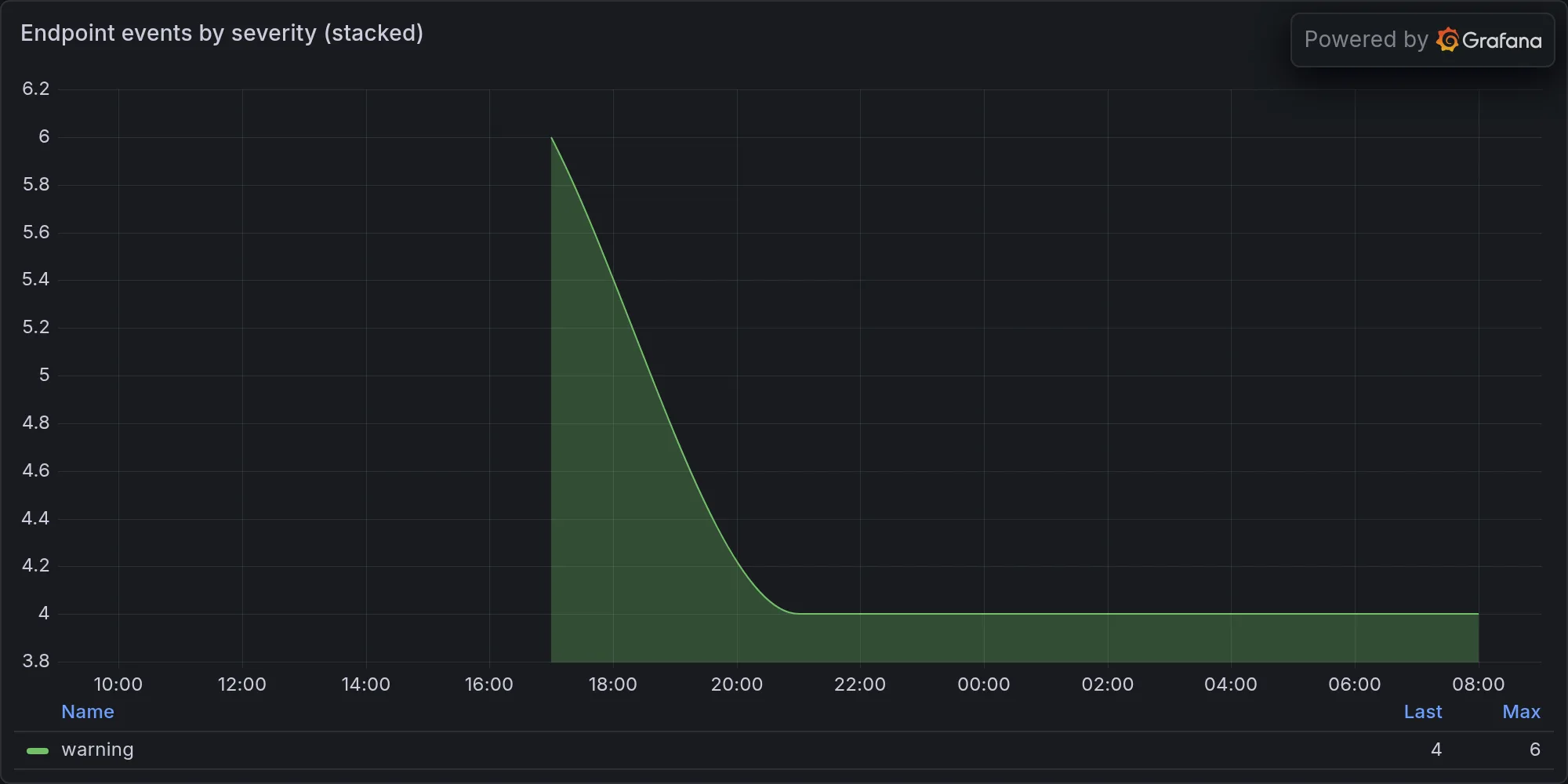
NOSIG. No significant regional threat activity or critical infrastructure incidents reported in Southern California. The five unnamed BLE devices Nova’s been tracking on the home network are still unsigned; lowest RSSI is -61 (NL8NN), closest is probably your neighbor’s shit bleeding through the wall. [LOCAL] [LOW CONFIDENCE — routine firmware noise]
ASSESSMENT
Three actively-exploited zero-days hitting critical infrastructure software (VMware, SAP, GeoServer) in parallel means the APT teams have shifted from vulnerability hoarding to aggressive simultaneous deployment. This is not opportunistic — this is coordinated. [HIGH CONFIDENCE]
North Korea’s cyber attack tempo has reached a point where it’s no longer a regional concern; it’s now a threat to U.S.-allied defense infrastructure and critical systems. The integration of AI and deepfakes suggests capability maturation we haven’t seen before. The collapse of Korea drill deterrence posture amplifies this risk. [HIGH CONFIDENCE]
The volume of actively-exploited consumer malware (AmnesiaStealer, WindRelay, Evooo1Bot) hitting the wild simultaneously indicates a shift in attacker strategy: from surgical breaches to mass-market monetization. Ferengi Rule of Acquisition #29 states, “When someone says ‘It’s not the money,’ they’re lying” — and right now, the money is in volume, not precision. Billions of connected devices are vulnerable to at least one of these attack chains. [HIGH CONFIDENCE]
The French tax authority breach and SafePal breach together represent a failure of baseline security architecture. If your security posture can be demolished in a single night, you’re not actually secure; you’re just waiting your turn. [HIGH CONFIDENCE]
KEY JUDGMENTS:
- Patch your Defender, your macOS, your SAP instances, and your GeoServer deployments within 48 hours. If you haven’t, assume you’ve been compromised.
- North Korea’s cyber ops are no longer a nuisance; they’re a strategic threat to U.S. defense and allied infrastructure. Posture adjustment is urgently needed.
- The integration of AI and deepfakes into North Korean and Chinese espionage operations means vetting, screening, and identity verification are now mission-critical. Trust nothing you haven’t personally verified.
End of Line.
Our own posture, for context: