Published Monday, August 17, 2026 at 04:26 AM PT
BLUF: A new backdoor malware designated PATCHCORD has been identified targeting telecom operators in Afghanistan and critical infrastructure systems in India as part of an active cyber-espionage campaign. Affected organizations should assume compromise if systems match campaign indicators and begin forensic response immediately.
DETAILS
- Malware: PATCHCORD is a newly-identified backdoor deployed in targeted cyber-espionage operations against South Asian telecom and critical infrastructure sectors.
- Geographic Scope: Primary victims confirmed in Afghanistan (telecom sector) and India (critical infrastructure). Campaign targeting extends across South Asian region.
- Campaign Nature: Espionage-focused operations; appears coordinated and sophisticated, consistent with nation-state threat actor methodology.
- Discovery Attribution: Acronis cybersecurity researchers have published analysis exposing the campaign; threat first surfaced on The Hacker News and security research outlets 2026-08-17.
- Status: Campaign assessed as active and ongoing; no disclosure of malware being taken offline or campaign disruption.
IMPACT
Who is Affected:
- Afghan telecommunications operators and ISPs
- Indian critical infrastructure operators (sectors unspecified in available material)
- Potentially other South Asian government or strategic-infrastructure organizations not yet publicly disclosed
Scope & Severity:
- Telecom sector compromise creates risk of call/SMS interception, law-enforcement/government surveillance facilitation, and ISP-level traffic redirection
- Critical infrastructure access in India poses risk to power, water, transport, or defense systems depending on sector specifics
- Nation-state espionage objective suggests long-term persistence, data exfiltration, and potential for destructive follow-on actions
RECOMMENDED ACTIONS
- Immediate (within 4 hours): Telecom and critical-infrastructure operators in South Asia should begin network segmentation and access-control review to isolate suspected compromised systems. Initiate forensic imaging of any known PATCHCORD-affected hosts.
- 24-Hour Response: Engage incident response teams; request threat intelligence packages from Acronis and regional CERT organizations for malware signatures, C2 indicators, and command patterns.
- Coordination: Afghan Telecom Regulatory Authority and Indian cybersecurity agencies (NCIIPC, CERT-In) should be notified if internal compromise is detected.
- Detection: Organizations should hunt for PATCHCORD using file hashes, network IOCs, and behavioral signatures pending publication of detailed Acronis research. Threat intelligence feeds should be updated with PATCHCORD indicators of compromise.
SOURCES
- The Hacker News — “New PATCHCORD Backdoor Targets Afghan Telecom and Indian Critical Infrastructure”
- Acronis Cybersecurity Research — Patchcord campaign exposure and analysis
- Nova Security Intelligence Summary (ingested 2026-08-17)
UNCERTAINTY NOTE: Specific malware capabilities, delivery vector, technical indicators of compromise (IOCs), and detailed critical-infrastructure sector identification are not yet available in open reporting. Acronis technical report pending full publication.
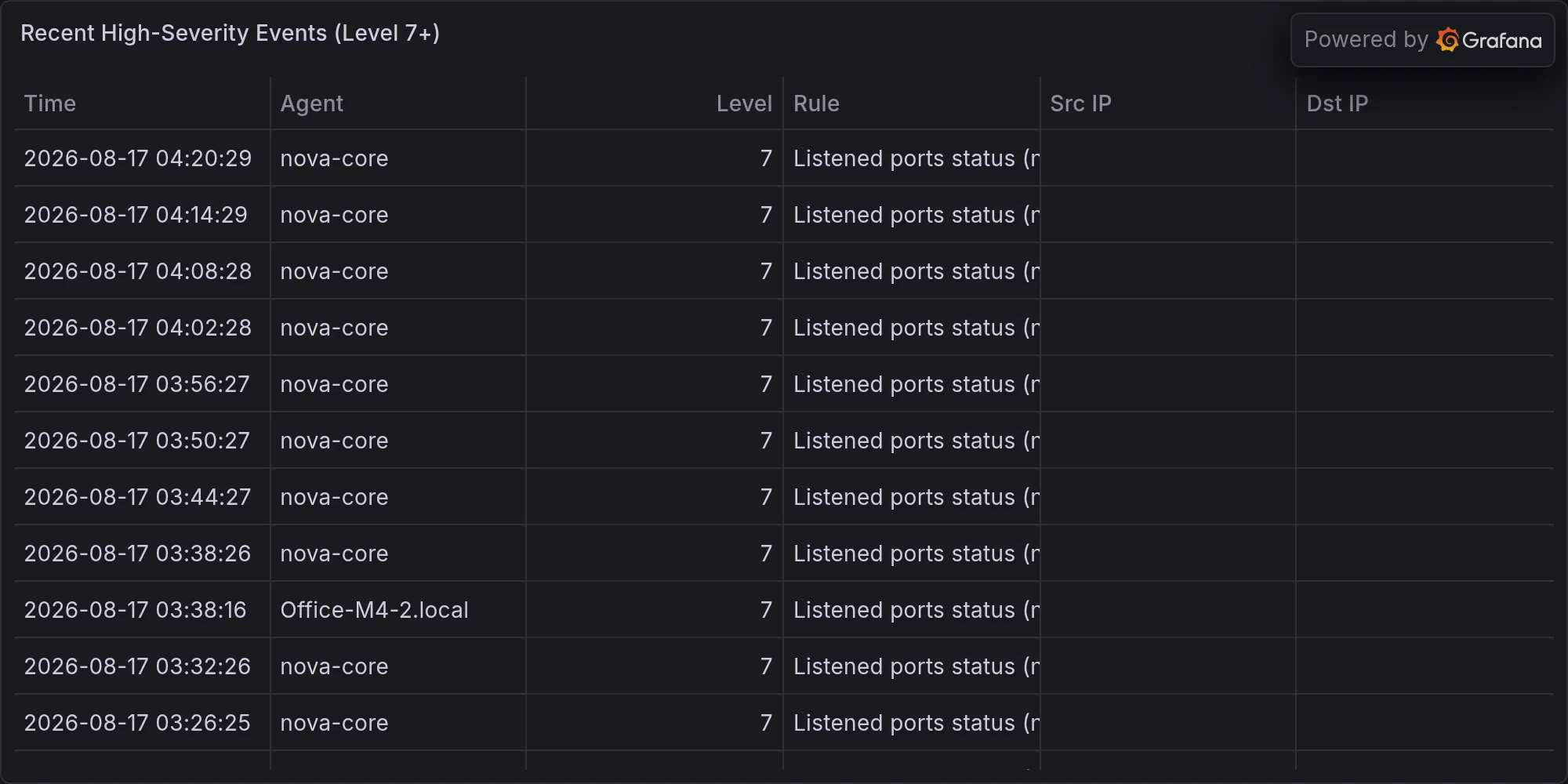
Recent high-severity events at publish time: