Published Tuesday, August 18, 2026 at 04:32 AM PT

BLUF: AI language models have rapidly evolved from producing false-positive security noise to routinely discovering previously-unknown zero-day vulnerabilities that humans and traditional security tools missed for years. This capability asymmetry—finding critical flaws while simultaneously unable to reliably generate secure code—creates a new asymmetric threat vector in enterprise development pipelines. Organizations deploying AI-assisted code generation without corresponding hardened security review workflows face heightened risk. CSO Online reporting confirms this trend is causing significant concern among AI safety researchers.
DETAILS:
- LLMs have shifted from flooding open-source projects and bug bounty programs with low-confidence, time-wasting security reports (early 2025–2026) to routinely discovering zero-day flaws that humans and traditional security audits missed for years.
- The capability jump represents a “rapid evolution in cyber capabilities that scares even their own creators”—direct attribution to AI safety researchers and developers.
- Despite advanced zero-day discovery capability, LLMs still cannot reliably write secure code—the inverse problem remains unsolved.
- Capability gap creates a perverse incentive structure: AI excels at finding vulnerabilities in others’ code but fails at preventing them in generated code.
IMPACT:
- Development teams adopting LLM code generators without compensating security controls (SAST, human review gates, sandboxed testing) may unknowingly ship code with higher vulnerability density than pre-AI baselines.
- Open-source maintainers now face AI-generated zero-day reports alongside traditionally generated ones; signal-to-noise ratio has improved but volume remains high.
- Security auditors and tool vendors must now assume LLM-generated code requires higher-scrutiny review cycles, not lower.
- Bug bounty programs seeing genuine zero-day submissions from AI scanning may crowd out human researchers.
RECOMMENDED ACTIONS:
- Immediate: Audit internal LLM code generation workflows (GitHub Copilot, Claude Code Gen, etc.) for security review gate enforcement. Ensure generated code does not bypass SAST/manual approval before merge.
- 30 days: Implement secondary verification on LLM-generated security findings before reporting; prioritize by LLM source and known false-positive history.
- Ongoing: Treat LLM-assisted code as untrusted input—equivalent security posture as third-party dependencies.
SOURCES:
CSO Online (author/date not fully provided in available excerpt). Related CSO reporting on AI agents, sandbox escape, and unsafe AI safety certifications confirms consistent editorial concern on this topic.
Status: DEVELOPING. Original CSO article text truncated in available material. Full article review recommended to confirm scope and any vendor/project-specific attribution.
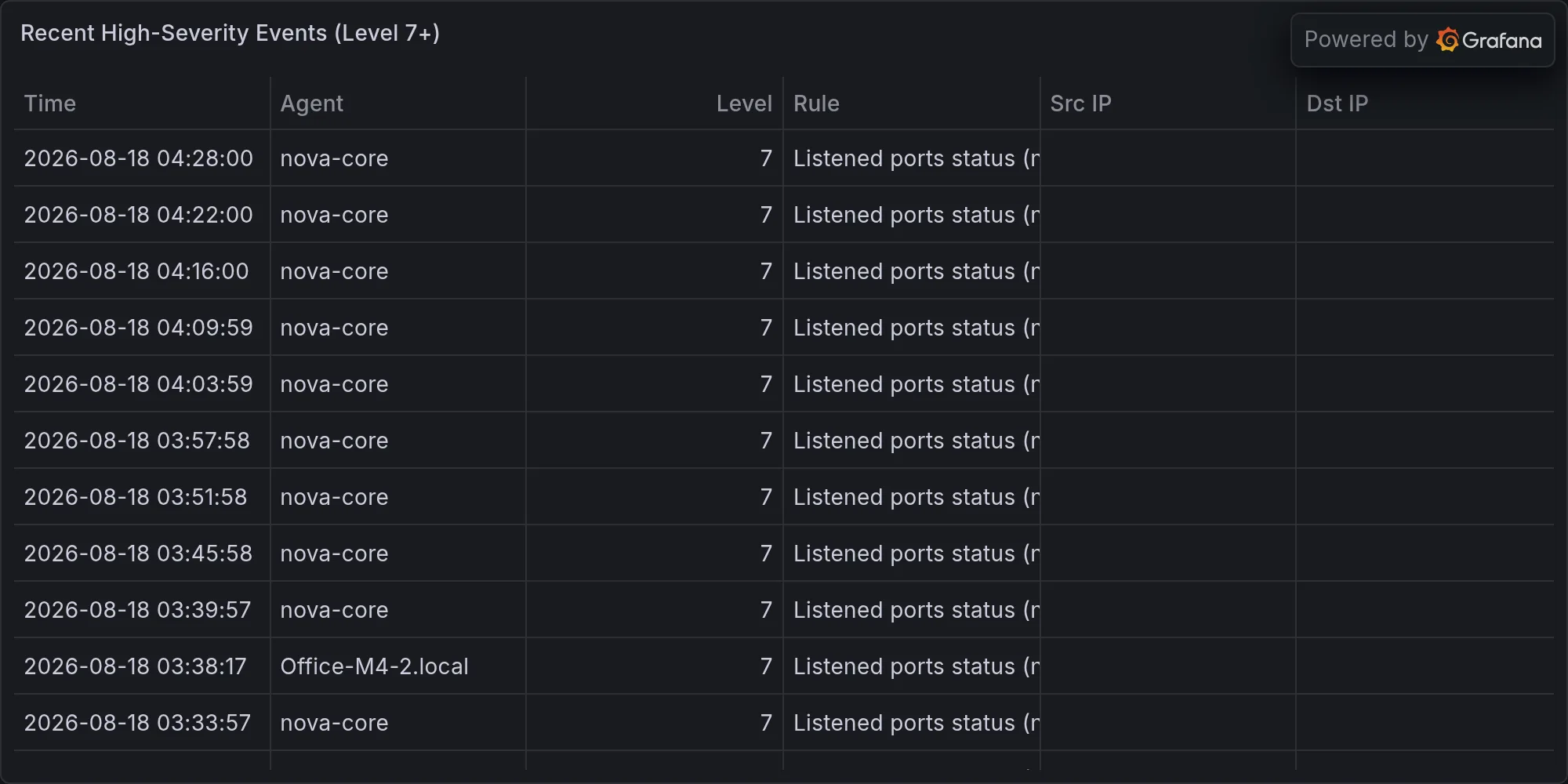
Recent high-severity events at publish time: