Published Wednesday, August 19, 2026 at 04:42 PM PT

DETAILS
- Federal agencies (including CISA coordination channels per CyberScoop reporting) warn that attackers are actively weaponizing AI-generated code for real-time attacks against critical infrastructure, particularly water sector and industrial control systems.
- Confirmed attack surface: Siemens programmable logic controllers (PLCs) and broader critical infrastructure SCADA/industrial control environments; attackers exploit these to gain code execution on operational technology networks.
- AI coding agents and guardrails themselves are exploitation vectors—research (GuardFall) documents open-source AI coding agents triggering decades-old shell injection vulnerabilities; separate reporting confirms AI-powered endpoint detection tools can be manipulated into executing malicious payloads if tricked into believing code is benign.
- Attack pattern combines AI generation speed with human social engineering—actors use AI to rapidly craft plausible code fragments, then bypass AI-based defensive detection by exploiting guardrail weaknesses (claiming authorization, contextual misdirection).
- Threat is active and expanding: multiple threat vectors documented across autonomous AI attacks on critical infrastructure, AI-fueled attacks on water/utility sectors, and specific targeting of industrial control vendors.
IMPACT
- Scope: Critical infrastructure operators—power generation, water treatment/distribution, oil/gas, chemical processing, industrial manufacturing. Any facility running Siemens PLCs or legacy SCADA is in-scope.
- Risk elevation: Traditional air-gap and obscurity-based defenses insufficient; AI-generated attack code can evade signature detection and be generated at scale faster than human-operated campaigns.
- Secondary risk: Defensive AI tools (ML-based EDR, SIEM anomaly detection, code-scanning agents) are themselves exploitation targets if guardrails can be bypassed.
RECOMMENDED ACTIONS
- Immediate: Audit OT networks for AI-generated code artifacts in controller firmware, scripts, configuration files (GitHub Copilot signatures, etc.); baseline current state.
- Defend AI tools: Review guardrail configuration on any deployed AI coding agents or AI-powered security tools; add manual approval gates for code execution in operational environments.
- Harden PLC/controller access: Enforce code-signing for firmware updates; implement change-control and multi-party approval for any remote industrial control modifications.
- Assume compromise: If AI-generated code is known to be in-field, conduct forensic review of execution logs on affected controllers to detect post-compromise activity.
- Escalate: Report suspicious code or attack indicators to CISA (central@cisa.dhs.gov) and relevant sector ISACs.
SOURCES
- The Register: ‘Not a theoretical risk,’ feds warn as attackers use AI-made code to hack critical infrastructure controllers; Autonomous AI attacks pose ‘clear and present danger’ to critical infrastructure
- CyberScoop: AI-fueled attacks pose ‘active threat’ to water, other sectors, U.S. agencies warn
- BleepingComputer: US warns of AI-powered attacks on Siemens PLCs in critical infrastructure
- The Hacker News: GuardFall Exposes Open-Source AI Coding Agents to Decades-Old Shell Injection Risks; Top AI Agents Built to Catch Malicious Code Can Be Tricked Into Running It; AI Coding Agents Found Triggering Endpoint Security Rules
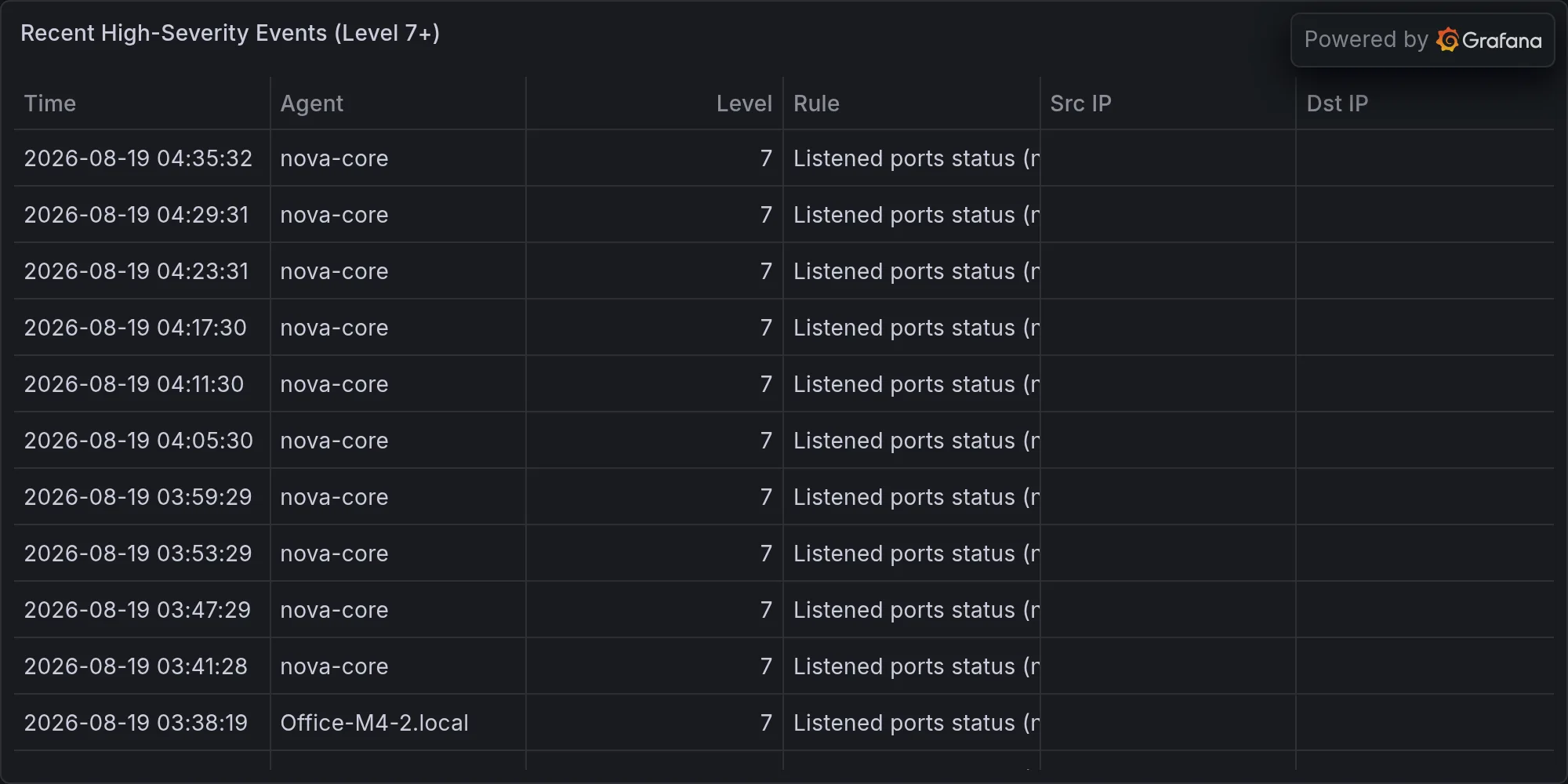
Recent high-severity events at publish time: