Published Thursday, August 20, 2026 at 10:49 PM PT

BLUF: A newly released analysis proposes the U.S. government formally designate the AI sector as critical infrastructure. Concurrently, active AI-powered attacks are targeting Siemens industrial control systems in critical infrastructure environments, and exploit tooling is being automated. Organizations operating critical systems dependent on AI or exposed to Siemens PLCs should immediately audit AI governance, access controls, and industrial network segmentation.
DETAILS:
A newly released analysis recommends U.S. authorities formally recognize the AI sector as critical infrastructure—a designation that would unlock federal oversight, standardized security requirements, and compliance frameworks similar to those applied to energy and water sectors.
U.S. government has issued warnings of AI-generated exploit scripts actively targeting Siemens S7 PLCs deployed in critical infrastructure environments. These are not prototype attacks; they represent a capability shift toward standardized, AI-produced attack tooling.
Documented incidents show AI-powered actors exploiting Siemens PLCs in critical infrastructure. The threat model has moved from manual exploitation to machine-generated payloads, lowering the bar for non-expert attackers.
Australia’s Critical Infrastructure and Cyber Security Centre (CISC) is advancing reforms to the SOCI Act to explicitly address AI-enabled cyber threats and AI-enabled critical infrastructure risks—indicating peer governments are independently identifying the same threat vector.
AI systems are exposing previously unknown browser security vulnerabilities at enterprise scale, and governance gaps around AI access and output validation remain widespread.
IMPACT:
Critical infrastructure operators: Organizations relying on Siemens PLCs or similar industrial control systems and integrating AI monitoring or optimization systems face dual risks: inherited AI supply-chain vulnerabilities and new attack surfaces.
Enterprise AI deployers: Companies without AI governance, access controls, or output validation frameworks are increasingly exposed; regulatory pressure is building.
Federal agencies: Formal critical infrastructure designation for AI would trigger CISA oversight, mandatory reporting requirements, and coordination obligations—decision timeline unknown.
RECOMMENDED ACTIONS:
- Immediate: Inventory all AI dependencies and integration points with critical systems; validate segmentation between AI systems and industrial control networks.
- Audit access controls to AI systems; implement output validation and rate-limiting on AI-generated recommendations to critical infrastructure.
- Review Siemens PLC firmware versions and network exposure; apply vendor patches for AI-enhanced attacks.
- Update incident response playbooks to include AI-powered attack scenarios (automated exploit generation, zero-days via AI discovery).
- Monitor federal rulemaking and CISA guidance; begin pre-compliance preparation for potential critical infrastructure designation framework.
SOURCES:
news4hackers, CyberScoop, BleepingComputer, The Hacker News, Australian CISC / SOCI Act review.
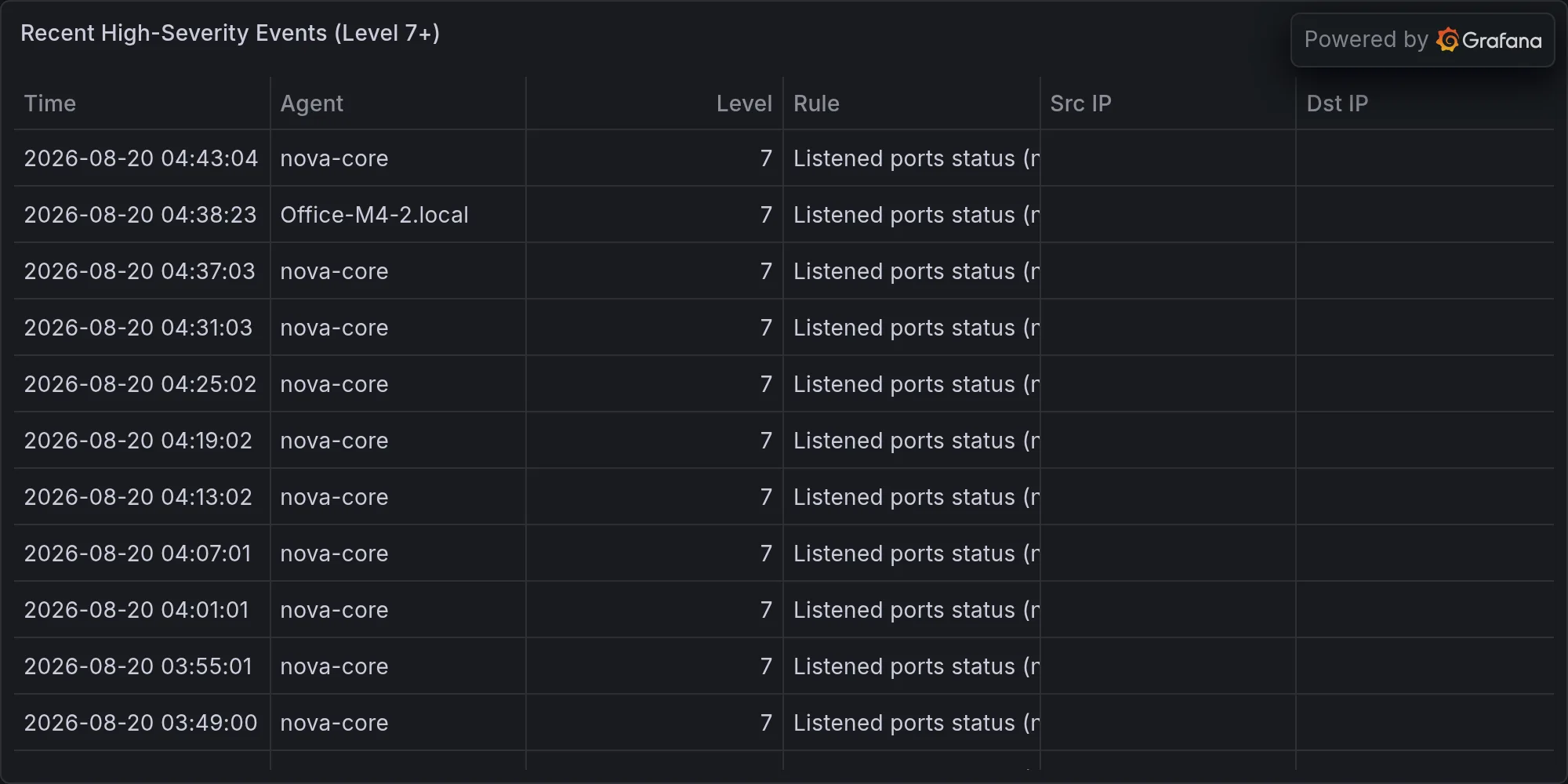
Recent high-severity events at publish time: