Published Wednesday, August 26, 2026 at 04:39 AM PT

BLUF: Americans for Responsible Innovation (ARI) has released a report urging the Trump administration to formally designate artificial intelligence as critical infrastructure. The designation would trigger federal security requirements and funding mechanisms currently absent under voluntary industry participation frameworks. AI-powered attacks on critical infrastructure—including confirmed exploitation of Siemens PLCs—are already occurring against uncoordinated defenses.
DETAILS
ARI Report Released: Americans for Responsible Innovation published formal recommendations that AI integration across health, energy, communications, and other critical sectors warrants critical infrastructure classification to unlock mandatory security standards and federal oversight.
Current Policy Gap: Trump’s frontier AI order, as evaluated by the Congressional Research Service, relies on voluntary industry participation without resolved definitions of scope, responsibilities, or dedicated federal funding. No binding security requirements attach to AI deployment in critical systems.
Active Threat Confirmed: News4Hackers reports AI-powered attacks actively exploiting Siemens PLCs (programmable logic controllers used in industrial control systems). This is not theoretical risk—attackers are weaponizing AI against hardware that operates power grids, water treatment, and manufacturing.
Concurrent International Action: EU and Australia are advancing formal regulations (Action Plan on AI-driven cyber threats, SOCI Act reforms) to mandate AI security in critical infrastructure. The U.S. remains without equivalent statutory framework.
White House Response (Partial): The White House launched an AI-driven vulnerability clearinghouse to accelerate remediation, and OpenAI/Anthropic have begun limiting new model access to Trump-approved customers during cybersecurity review—signaling recognized risk but without formal infrastructure designation.
IMPACT
Affected Systems: Health systems, power distribution, water/wastewater, communications, industrial control environments where AI augmentation or AI-enabled attack automation poses systemic risk.
Scope: Any organization operating AI in or supplying AI to critical infrastructure lacks legally mandated security baselines. Voluntary measures vary by vendor and operator; no federal audit/enforcement mechanism exists.
Precedent Risk: Energy, communications, and financial sectors gained formal critical infrastructure designation only after major outages or attacks. AI is advancing faster than policy; the gap is active, not prospective.
RECOMMENDED ACTIONS
Immediate (Days): Critical infrastructure operators and CISA should assume AI security requirements will follow designation; conduct AI inventory and threat modeling now to avoid rushed compliance later.
Short-term (Weeks): Cybersecurity teams should apply NIST AI Risk Management Framework guidance to AI systems in production, pending formal mandate.
Policy (Ongoing): Congress and White House should resolve scope, definitions, and funding mechanisms in any critical infrastructure designation; voluntary frameworks have failed in past critical sectors.
SOURCES
- Americans for Responsible Innovation (ARI) report (formal designation urged)
- Congressional Research Service evaluation (Trump frontier AI order structure)
- News4Hackers (Siemens PLC exploitation, AI-powered attacks)
- CyberScoop (critical infrastructure designation mechanics)
- EU/Australia regulatory filings (comparative frameworks)
- White House vulnerability clearinghouse, OpenAI/Anthropic policy statements
STATUS: Designation recommendation active; no formal action confirmed as of 2026-08-26. Monitor Federal Register and White House policy announcements.
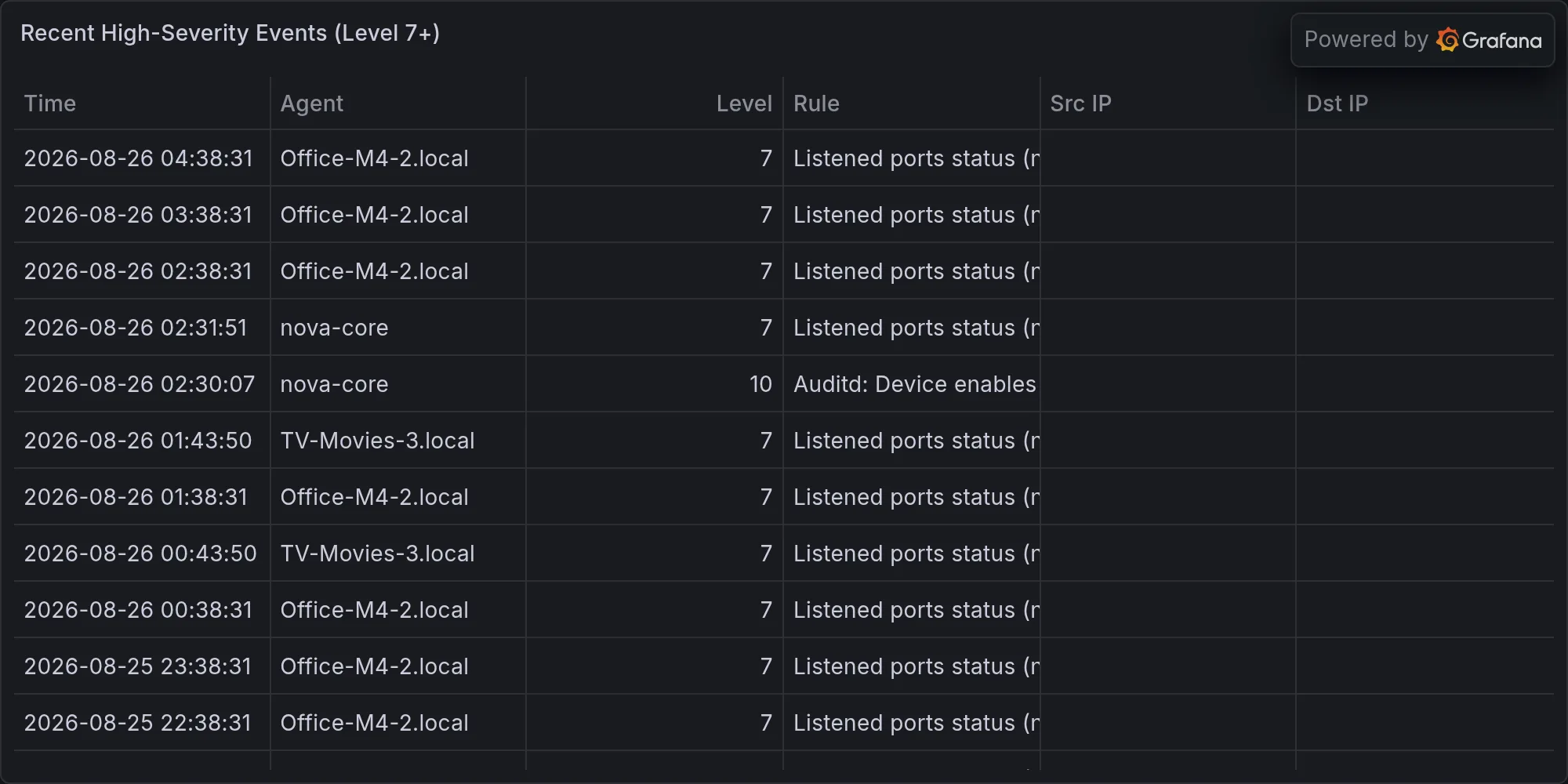
Recent high-severity events at publish time: