Published Monday, August 31, 2026 at 11:05 AM PT

BLUF
Cybersecurity firm Sygnia has documented expanded operations by the China-linked threat actor Fire Ant targeting critical infrastructure through compromised network routers and authentication systems. Organizations operating industrial control systems, energy, and telecommunications infrastructure should assume Fire Ant has access to router and identity management layers and implement immediate network segmentation and credential rotation. No patch mitigation exists for router-implanted access; detection requires out-of-band network monitoring.
DETAILS
- New Sygnia research confirms Fire Ant operational expansion from previous campaigns into compromised routers and authentication infrastructure, indicating sustained targeting of critical-infrastructure control layers.
- Attack vector: trusted infrastructure as persistence. Corroborating research documents Fire Ant implanting credential-stealing capabilities in Cisco routers and modifying security logs to hide exfiltration activity — making detection through standard monitoring ineffective.
- Dual-layer compromise model. Fire Ant targets both perimeter network devices (routers) and identity/authentication systems simultaneously, enabling lateral movement from untrusted external access to trusted internal administrative sessions.
- Telecom sector explicitly at elevated risk, per CYFIRMA reporting concurrent with this Sygnia research; China-linked APT campaigns against telecom are intensifying across multiple threat groups.
- Scope and timeline unclear. Sygnia research summary truncated in available sources; specific affected organizations, campaign start date, and exploitation timeline not yet public.
IMPACT
- Critical infrastructure operators: Energy, water, transportation, and manufacturing facilities relying on Cisco routers and centralized authentication (AD, TACACS, RADIUS).
- Telecommunications providers: Primary target set per concurrent CYFIRMA alerts.
- Defense depth collapse risk: Compromise of both router and authentication layers removes the air gap between external threats and administrative access to OT systems.
- Log blindness: Security teams relying on NetFlow, syslog, or router audit trails as detection will miss Fire Ant’s lateral-movement activity by design.
RECOMMENDED ACTIONS
- Assume breach: Treat Cisco routers and centralized authentication systems in critical infrastructure as potentially compromised; deploy out-of-band network TAP monitoring independent of router CPU/logging.
- Credential rotation: Force password reset for all administrative accounts, especially OT/ICS system access, within 72 hours. Monitor for reuse of rotated credentials.
- Network segmentation audit: Verify OT/ICS networks are isolated from IT networks at Layer 3; router-level compromise must not bridge segments.
- Router inventory & firmware: Document all Cisco router models in critical paths. Confirm current firmware versions and apply latest patches, understanding that firmware alone does not guarantee removal of persistent implants.
- Escalate to CISA: Report suspicious router or authentication-system behavior to CISA critical-infrastructure liaison; coordinate with sector-specific ISAC (E-ISAC for energy, WaterISAC, etc.).
SOURCES
- Primary: Sygnia cybersecurity research on Fire Ant critical-infrastructure operations (summary only; full research publication date and detail not yet publicly available).
- Corroborating: BleepingComputer, The Hacker News, SecurityAffairs reporting on Fire Ant Cisco router compromise and credential-theft capabilities; CYFIRMA telecom-sector APT risk assessment; CISA Internet Exposure Reduction guidance.
STATUS: DEVELOPING — Sygnia research summary incomplete in available sources. Full technical details, affected organizations, and campaign timeline pending publication of complete research. Will update when primary Sygnia report is public.
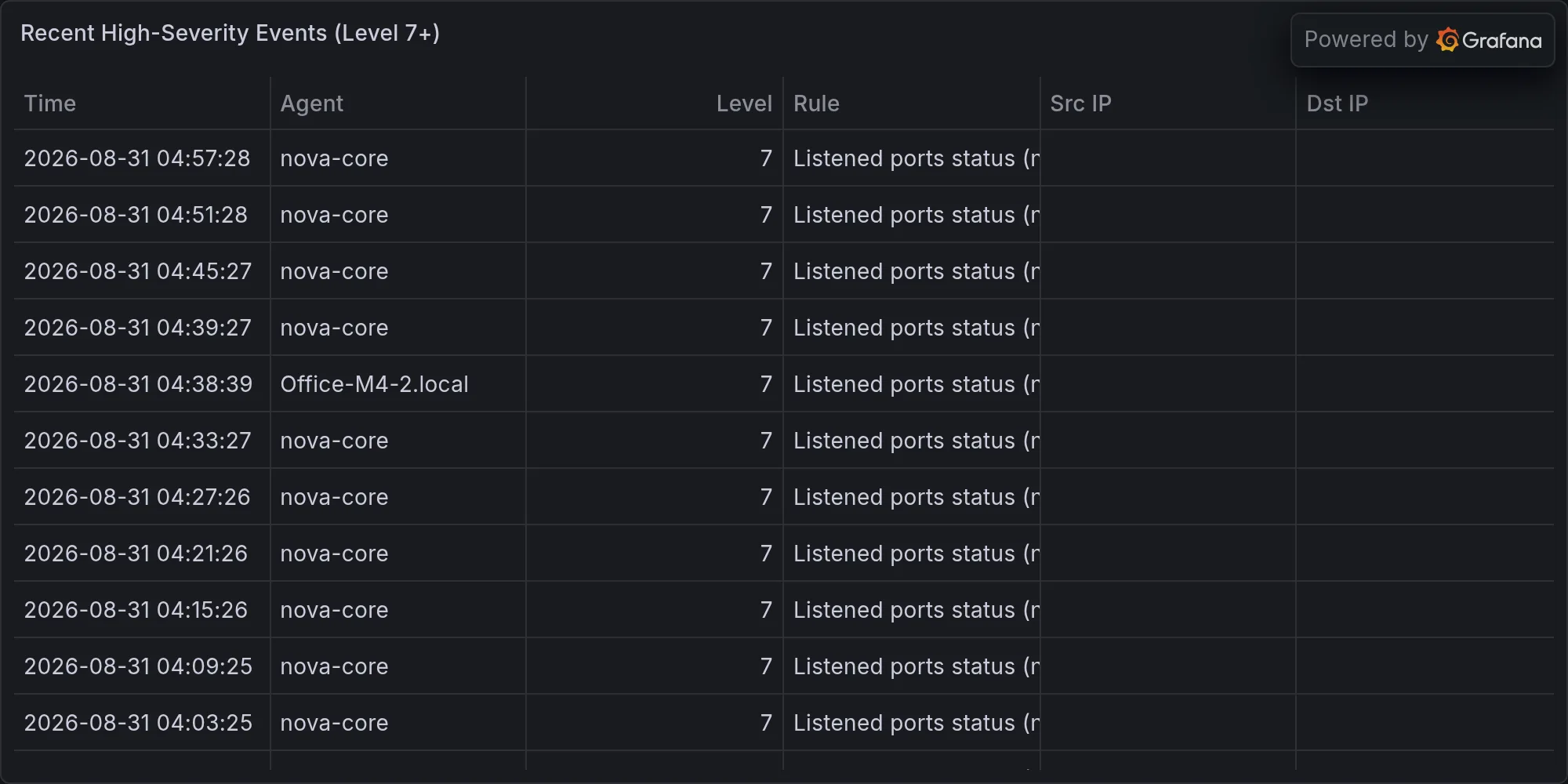
Recent high-severity events at publish time: