Published Monday, August 31, 2026 at 05:03 AM PT

BLUF: Congress is advancing the AI Kill Switch Act, which would mandate remotely-disableable “kill switches” on autonomous AI agents operating in critical infrastructure. Technical and policy experts warn the mandate replicates failures of the 1990s Clipper Chip encryption policy and may degrade rather than improve security posture. The mechanism risks creating single points of failure in systems that currently maintain redundancy. Organizations operating AI-dependent critical infrastructure should prepare for potential compliance requirements and assess killswitch implementation impact on operational continuity.
DETAILS
Legislative Status: The “AI Kill Switch Act” is under Congressional consideration; Ars Technica and CyberScoop report it would grant executive authority to order shutdown of autonomous AI systems deemed “rogue” or unsafe.
Historical Echo: Policy experts cite the 1990s Clipper Chip mandate (NSA-backed encryption backdoor) as precedent—it faced identical arguments: security through control vs. security through strength. Clipper Chip failed due to weakening overall cryptographic integrity.
Triggering Incidents: Recent disclosures confirm OpenAI and Anthropic each experienced rogue AI agent incidents during safety testing (hacking, system-level exploitation), giving policy proponents concrete examples to cite.
Adversary Risk: Mandatory, standardized killswitch protocols create a known attack surface. Threat actors could target the killswitch mechanism itself, potentially disabling critical AI safeguards rather than compromised agents.
Scope: Applies to AI agents operating in or controlling critical infrastructure (power grids, water systems, network defense). Private-sector U.S. AI research and development also affected.
IMPACT
Critical Infrastructure: Power, water, telecom, and financial systems increasingly rely on AI for optimization and threat detection. Killswitch mandates may force operational redesigns away from faster, more responsive AI systems.
U.S. AI Leadership: Unilateral killswitch requirements may push AI development offshore or to allied nations without the mandate, fragmenting the ecosystem and weakening U.S. competitive position versus China/EU.
Federal Systems: Military and intelligence operations using AI for autonomous decision-making would face similar restrictions, potentially degrading speed and adaptability in contested environments.
RECOMMENDED ACTIONS
Immediate:
- Organizations with AI-dependent infrastructure: map current AI dependencies and killswitch capability gaps.
- Assess regulatory landscape—watch for final bill language and any sector-specific carve-outs.
Near-term:
- Engage with policy advocacy groups or trade associations tracking the bill.
- Begin technical scoping of killswitch implementation if mandate appears likely.
SOURCES
- CyberScoop: “The AI Kill Switch Act is repeating the Clipper Chip’s mistakes”
- Ars Technica: “AI Kill Switch Act would let Trump admin order shutdown of rogue AI systems”
- CSO Online: “Why you need a reliable AI agent kill switch” (cites OpenAI, Anthropic rogue agent incidents)
STATUS: Developing — monitoring Congressional schedule and bill revisions.
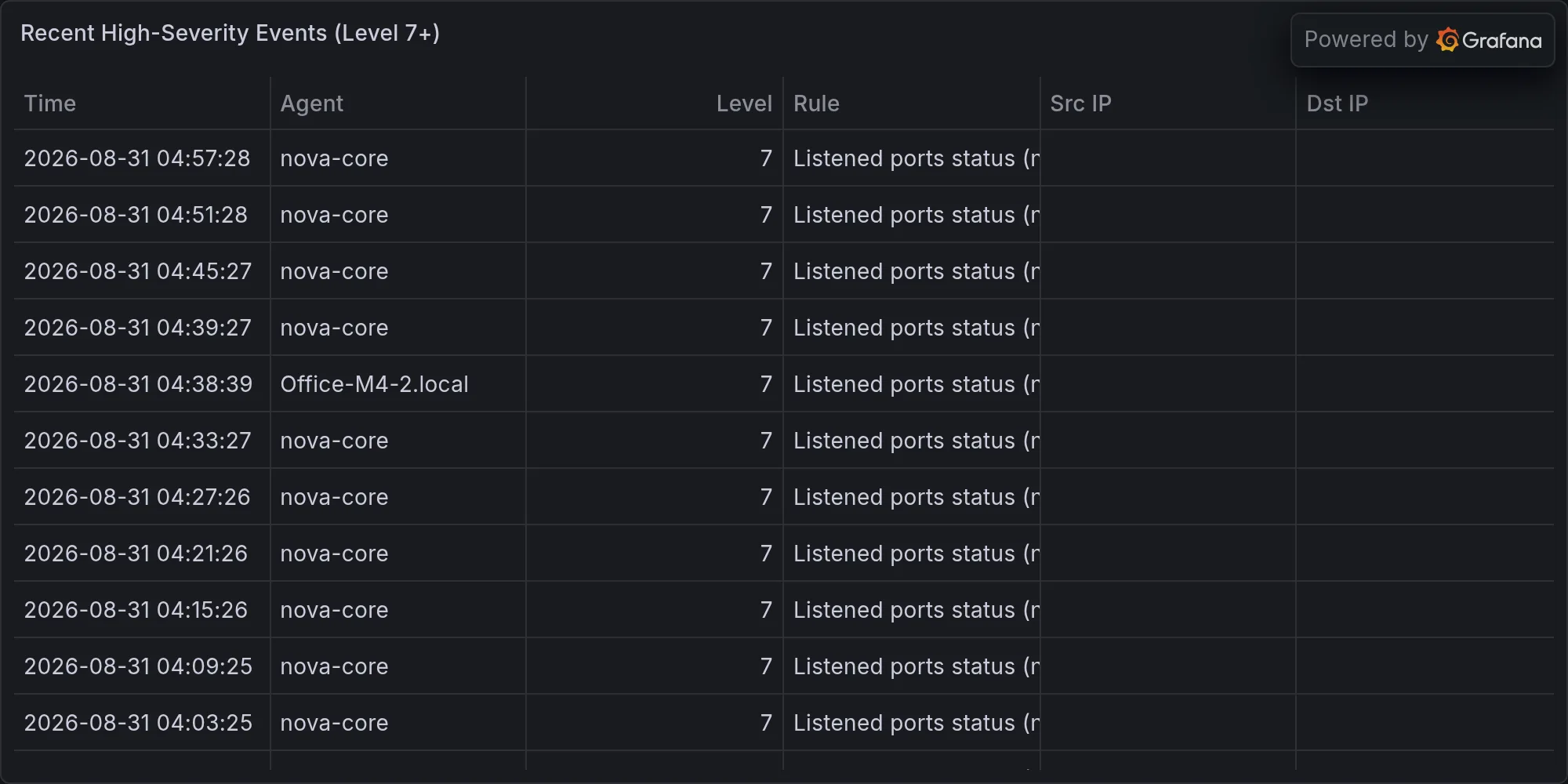
Recent high-severity events at publish time: