Published Thursday, September 03, 2026 at 04:52 AM PT

BLUF: Food and Ag-ISAC has released a formal threat advisory warning of intensifying cyber risks driven by AI-powered attacks, ransomware operations, and nation-state actors targeting agricultural infrastructure. Food and agriculture organizations face elevated risk from AI-accelerated exploit development and nation-state reconnaissance. Immediate actions: review current defensive posture for SCADA/ICS systems, audit remote access logs, and enable threat monitoring for sector-specific indicators.
DETAILS:
Threat vector convergence: Food and Ag-ISAC’s State of the Threat: Food and Agriculture Sector Cyber Trends report explicitly warns of AI, ransomware campaigns, and nation-state targeting as concurrent, intensifying threats (full report contents remain partially unavailable; confirmed thru official ISAC advisory).
AI-accelerated exploitation confirmed: Parallel warnings from CISA, NSA, and FBI document AI-generated scripts targeting Siemens S7 PLCs and industrial controllers to disrupt OT processes—a capability now confirmed active against critical infrastructure sectors (water, healthcare, manufacturing). Threat actors are using AI to automate exploit weaponization and reduce time-to-compromise.
Nation-state campaign activity: CYFIRMA and sector-specific ISACs confirm nation-state actors are increasing reconnaissance and exploitation attempts against OT/ICS environments. Agriculture’s OT-heavy footprint (grain facilities, irrigation systems, processing plants) presents attack surface.
Operational disruption demonstrated: Mackay Sugar (Australia) suffered confirmed cyberattack disrupting operations, demonstrating real-world attack capability against Ag infrastructure. Threat modeling suggests ransomware + operational sabotage (dual-extortion + disruptive attacks).
Ransomware sophistication rising: Check Point data shows ransomware operators are adopting AI for faster payload customization, evasion, and multi-vector campaigns—increasing success rates against traditionally under-defended agricultural networks.
IMPACT:
- Primary: Food and agriculture production facilities (cooperatives, processors, logistics networks, irrigation/water operators).
- Secondary: Supply-chain dependencies (fertilizer, equipment OEM, logistics).
- Scope: Sector-wide; assessment applies to all US Ag operations and allied international producers. Small and mid-sized operations (majority of sector) have historically lower cyber maturity and are likely higher-risk targets.
- Consequences: Ransomware lockouts could disrupt harvests and processing during critical seasons. Disruptive OT attacks (rather than encryption) could cause production loss without recovery path.
RECOMMENDED ACTIONS:
- Immediate (24-48 hrs): Audit OT network segmentation; verify air-gap integrity on SCADA systems. Review remote-access controls (VPN, RDP, SSH logs) for anomalies.
- Short-term (1-2 wks): Enable threat monitoring for Siemens PLC exploitation IOCs and AI-weaponized malware signatures. Coordinate with sector ISACs for early indicators.
- Ongoing: Conduct tabletop exercise assuming dual-vector attack (ransomware + OT disruption). Develop incident response playbook separating encryption recovery from operational restoration.
SOURCES:
Food and Ag-ISAC State of the Threat advisory (report title confirmed; contents partially available). Cross-sector validation: CISA/NSA/FBI Siemens S7 advisory, CYFIRMA nation-state OT targeting report, Check Point ransomware trends, Health-ISAC and water-sector precedent (CyberScoop). Mackay Sugar incident (Australian media, confirmed operational impact). Note: Full Ag-ISAC report text is truncated in source material; recommend obtaining complete advisory directly from Food and Ag-ISAC for sector-specific IOCs and attribution detail.
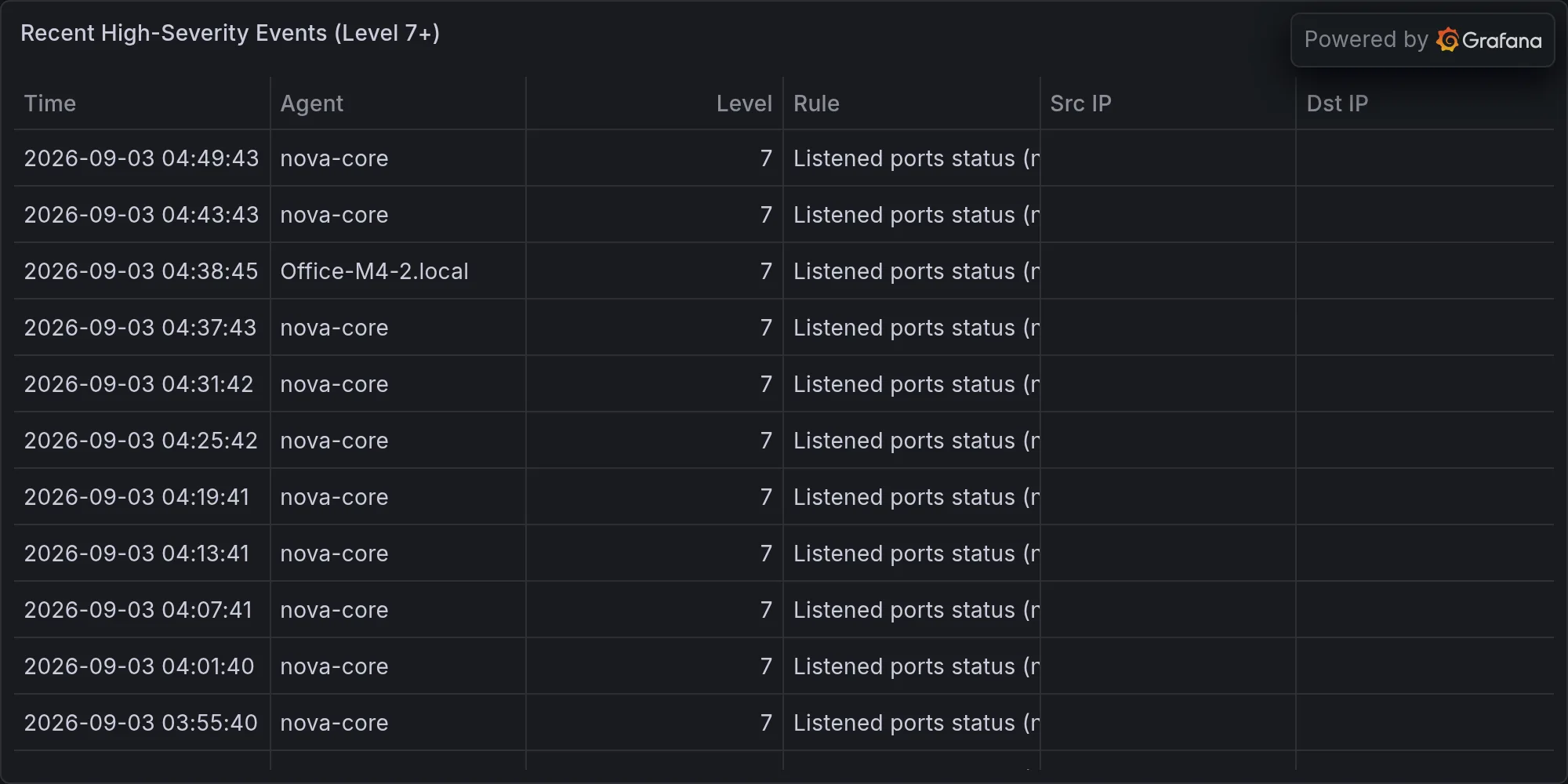
Recent high-severity events at publish time: