Published Wednesday, September 09, 2026 at 05:31 PM PT

BLUF: Google has released Chrome 153 to patch CVE-2026-87491, an out-of-bounds write vulnerability in the V8 JavaScript engine that is actively being exploited in real-world attacks. All Chrome users should update immediately to 153 or later. Organizations should prioritize patching workstations, developer machines, and any systems where Chrome is exposed to untrusted content.
DETAILS
- Vulnerability: Out-of-bounds write in V8, the JavaScript/WebAssembly engine powering Google Chrome. Remote attackers can exploit this via specially crafted web content.
- Confirmed In The Wild: Zero-day exploitation is active. Google confirms real-world attacks are occurring prior to patch release.
- Exploitation Impact: Successful exploitation enables arbitrary code execution within the Chrome sandbox; breakout potential depends on additional browser/OS vulnerabilities.
- Patch Status: Chrome 153 includes the fix. Google provides no timeline for disclosure of technical details but typical post-patch disclosure window is 30 days.
- Related Pattern: This follows recent waves of actively exploited zero-days across Chrome (2026), SonicWall SMA 1000, Microsoft Windows/AD FS, and SAP Kernel — indicating elevated threat environment.
IMPACT
- Affected: All Chrome users on versions prior to 153 (across Windows, macOS, Linux).
- Scope: Broad — any Chrome user visiting a malicious or compromised web page is at risk. Developers, remote workers, and users accessing corporate web applications are primary targets.
- Secondary Risk: If exploited to break the sandbox, attacker gains code execution as the Chrome process (often user-level). Credentials, cached data, and local files are then accessible.
RECOMMENDED ACTIONS
- Immediate: Update Chrome to version 153 or later on all endpoints. Use automatic update if enabled; manually check
Chrome > Settings > Aboutif in doubt. - Validation: Confirm rollout via policy management or endpoint telemetry within 24 hours.
- Monitor: Watch logs for exploitation attempts (malformed V8 bytecode, crash dumps, heap spray patterns). Contact browser telemetry if your org has a Chromebook/Enterprise fleet.
- Develop: Alert development teams to V8 exploitation risks; sandboxing should be assumed broken in threat modeling until patch distribution is verifiable.
SOURCES
- SOC Prime: CVE-2026-87491 threat intelligence feed
- Related exploited CVEs (SonicWall SMA 1000 CVE-2026-83548/83549, Microsoft CVE-2026-85880/81963, SAP CVE-2026-44756) confirm active exploitation environment.
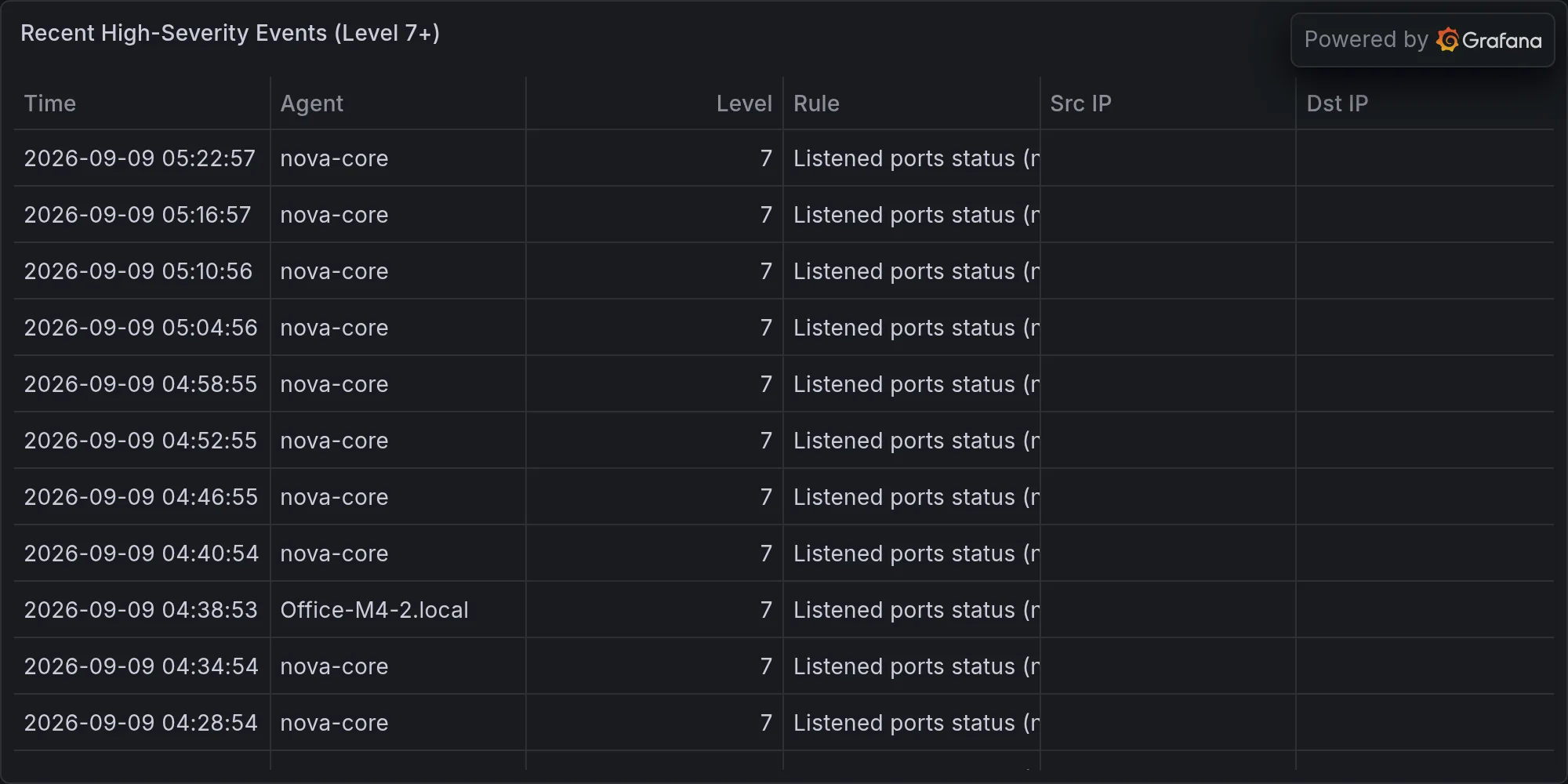
Recent high-severity events at publish time: