Published Wednesday, September 09, 2026 at 05:27 AM PT

BLUF: Quantum computing capabilities are advancing faster than expected and converting theoretical cryptographic vulnerabilities into imminent real-world threats. Organizations must initiate post-quantum cryptography (PQC) migration planning and assessment immediately. This is a strategic threat requiring now-to-2030 execution, not a tactical incident, but the urgency window is closing. Status: DEVELOPING — fragmentary source material indicates policy and standards progress but incomplete operational guidance.
DETAILS
Quantum threat materialization: Quantum computing has demonstrated significant advances in both capability and computational power within the past several years, elevating theoretical attacks on RSA, ECC, and other widely deployed algorithms from hypothetical to feasible timeline risk.
Standards progress: Global standardization of post-quantum algorithms is advancing—Classic McEliece has achieved ISO standardization, and migration frameworks are being documented (UK NCSC has published timelines for PQC migration).
Implementation gaps: Documented disparity between policy mandates and real-world PQC deployment across sectors suggests operational readiness significantly lags urgency. TLS migration, cryptographic inventory visibility, and credential migration are key blocking challenges.
Sectoral variance: Deployment adoption differs sharply by sector (financial, healthcare, government, industrial) with critical infrastructure showing slower readiness against highest quantum threat exposure.
Research acceleration: Private sector involvement (e.g., Anthropic/Claude model contributions to cryptographic research) and academic work (arXiv publications on blockchain, TLS, inventory management) indicate problem recognition but not yet solutions at scale.
IMPACT
- Affected scope: All organizations using RSA, ECC, or symmetric cryptography for long-term data protection, PKI systems, TLS endpoints, and credentials.
- Timeline exposure: Data encrypted today with vulnerable algorithms is vulnerable to decryption now if adversaries are conducting “harvest now, decrypt later” campaigns.
- Critical systems at highest risk: Government, financial services, defense contractors, healthcare, and critical infrastructure operators dependent on cryptographic assurance.
RECOMMENDED ACTIONS
- Initiate cryptographic inventory: audit all systems, keys, certificates, and data flows to identify RSA/ECC/vulnerable symmetric dependencies.
- Evaluate internal PQC readiness: assess capability for algorithm migration, testing, and phased rollout (2026–2030 timeline).
- Establish PQC governance: assign ownership, budget, and milestones for migration planning; monitor NIST and standards bodies for finalized algorithm guidance.
- Prioritize high-sensitivity data: begin hybrid cryptography (classical + PQC) evaluation for systems protecting long-term secrets and government/financial data.
- Monitor vendor roadmaps: confirm your TLS, PKI, and key management platforms have credible PQC migration schedules.
SOURCES
- CSO Online: “Post-quantum cryptography adoption and the national security implications” (fragmentary; full text incomplete in this alert)
- UK NCSC Guidance: Timelines for migration to post-quantum cryptography
- Referenced standards: ISO PQC (Classic McEliece) standardization
- Supporting research: arXiv cs.CR (TLS deployment gaps, blockchain migration, policy vs. reality analysis)
NOTE: Source material is incomplete and references general PQC readiness challenges rather than a specific tactical incident. This alert reflects strategic urgency on a known multi-year problem, not breach or active exploitation. No novel threat vectors reported in available fragments.
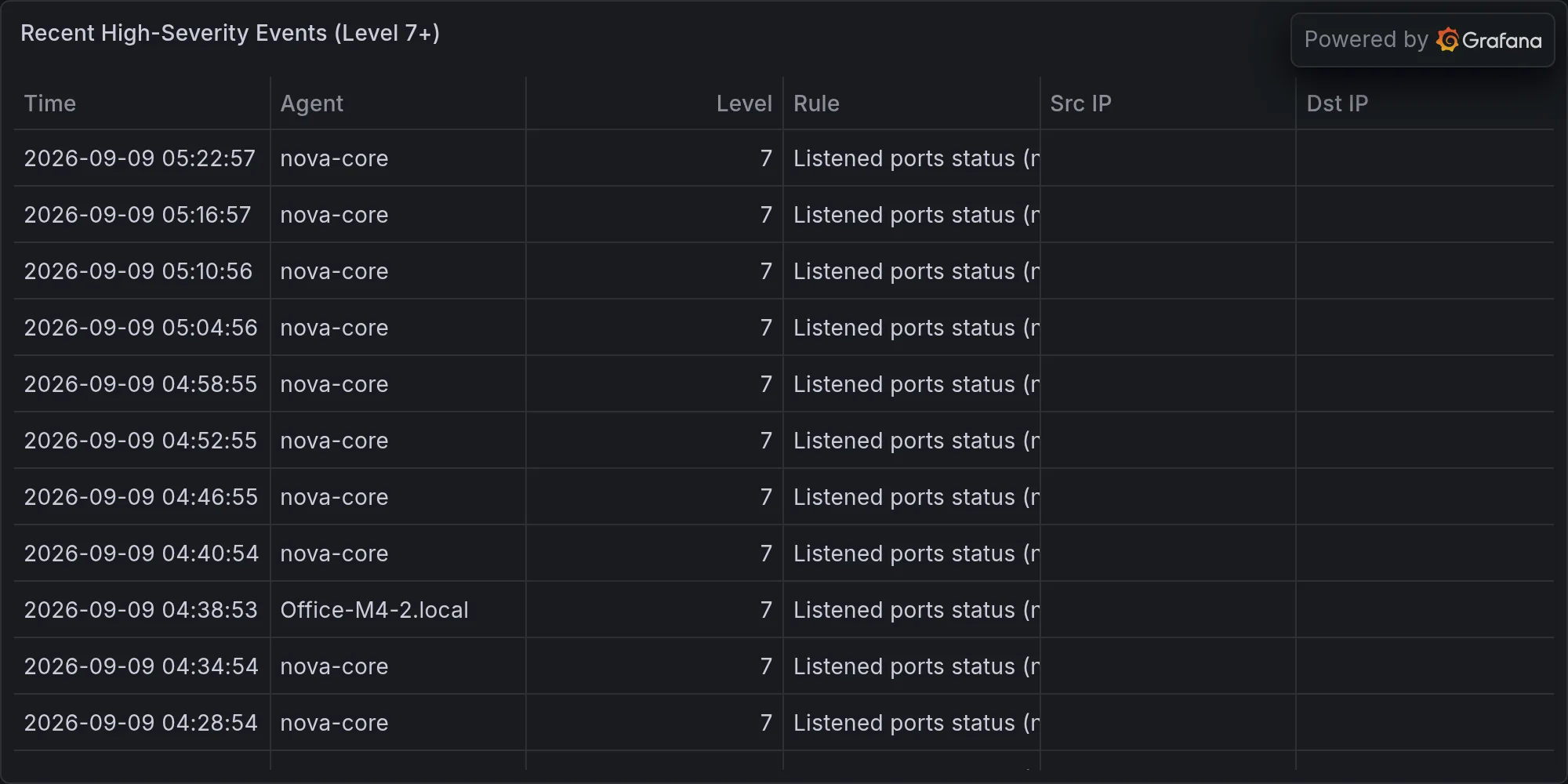
Recent high-severity events at publish time: