Published Thursday, September 10, 2026 at 05:04 AM PT

BLUF: Microsoft Defender contains a critical zero-day vulnerability (ShieldCrash/ShieldBreak) enabling local privilege escalation to SYSTEM. Multiple variants confirmed across Windows deployments. Patch in development; at least one variant already has public bypass PoC. Affected systems should assume compromise possible if Defender has processed untrusted input.
DETAILS:
Vulnerability chain: Zero-day in Microsoft Defender processes enable unauthenticated local privilege escalation to SYSTEM context; exploitation requires code execution as standard user first, then leverages Defender internals to gain full system privileges.
Multiple variants in circulation: Tracked as both “ShieldCrash” and “ShieldBreak”; ShieldBreak specifically includes public proof-of-concept code that bypasses Microsoft’s initial mitigation attempts, suggesting patch bypass is possible or already demonstrated.
Patch status uncertain but in progress: Microsoft confirmed working on security update; some sources indicate patch may be available, others report still in development. RoguePlanet variant (earlier related Defender flaw) has been addressed, but ShieldCrash/ShieldBreak status remains: patch status not yet confirmed as general release.
Scope: All Windows systems running Microsoft Defender in real-time protection mode with untrusted code execution vectors (email attachments, browser downloads, network shares, USB). Enterprise and consumer endpoints equally affected.
No exploitation barriers: PoC circulating; exploit path appears reliable across recent Windows builds and Defender versions tested.
IMPACT:
- Compromised standard user account → full administrative control of affected system (Defender runs as SYSTEM).
- Lateral movement via this chain: compromised endpoint can inject malware into system services, disable security tools, exfiltrate credentials.
- Scope: Any organization or user running Windows + Defender where threat model includes local code execution (breach of browser sandbox, phishing attachment, supply-chain malware).
RECOMMENDED ACTIONS:
- Immediate: Check Microsoft Security Updates page for Defender patches released post-2026-09-10. If patch available, prioritize deployment to critical endpoints.
- Until patch: Disable real-time protection temporarily on high-risk systems only if operationally feasible; consider air-gapping highest-value endpoints.
- Detection: Monitor Windows event logs for unusual Defender process spawning child processes or unexpected SYSTEM-context activity; alert on failed Defender restart attempts.
- Incident response: If any local compromise occurred in last 30 days, assume possible SYSTEM escalation; reset credentials for affected users and review system logs for lateral movement.
SOURCES:
- news4hackers (ShieldCrash disclosure)
- SecurityWeek (exploit details)
- The Hacker News (variant reporting)
- BleepingComputer (Microsoft patch confirmation)
- Internal Nova threat feed (cross-reference against ShieldBreak bypass PoC)
Status: DEVELOPING — patch availability TBD; this alert flagged for immediate escalation if ShieldCrash/ShieldBreak exploits appear in SIEM telemetry.
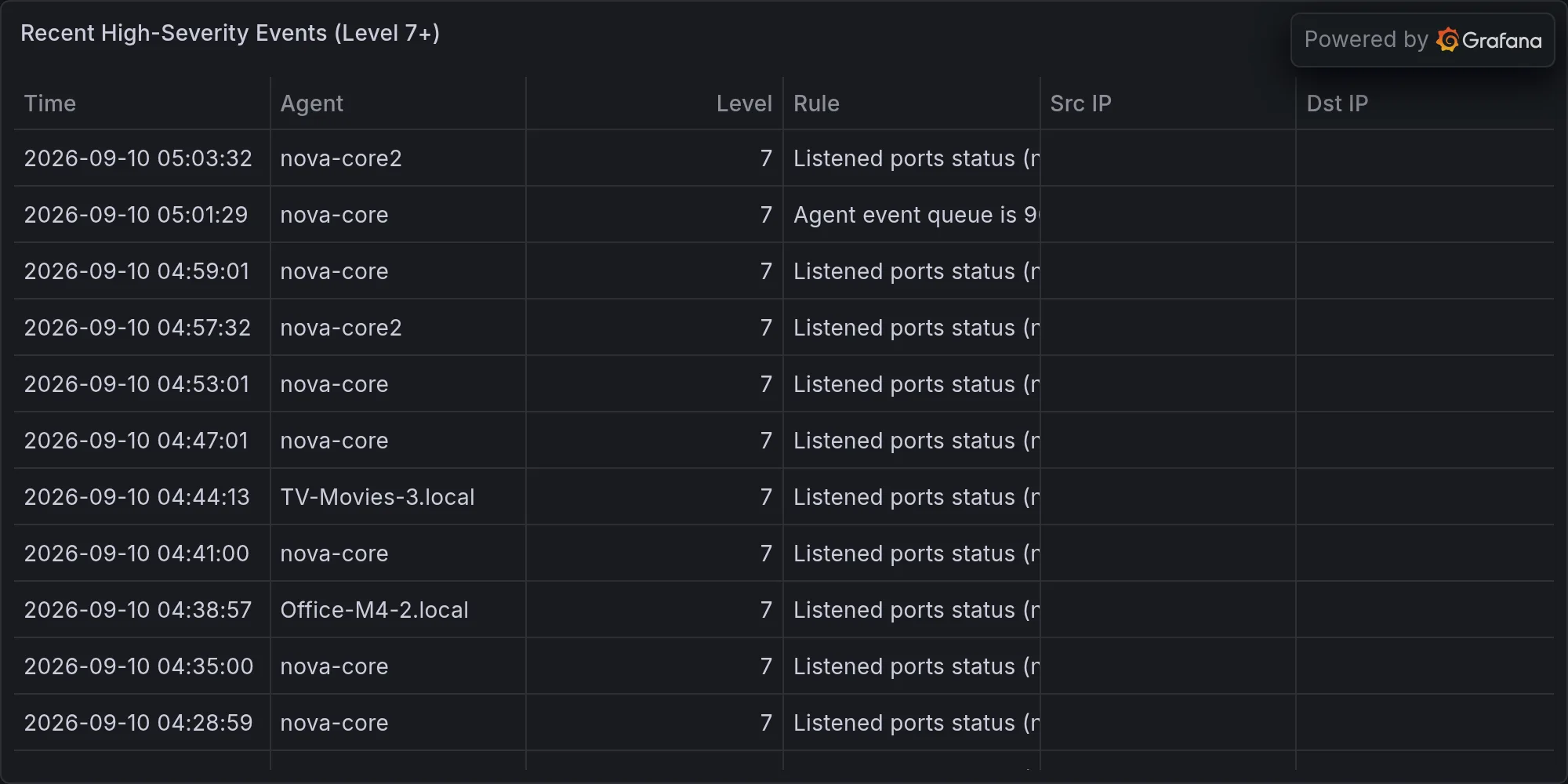
Recent high-severity events at publish time: