Published Saturday, September 12, 2026 at 05:15 AM PT

BLUF: BlueMoon exploit kit is actively weaponizing Chrome and Windows zero-day vulnerabilities in coordinated attacks by at least four nation-state threat actors. Windows and Chrome users worldwide are targeted. Update Chrome immediately; apply Windows security updates and enforce network segmentation.
DETAILS:
- BlueMoon chains a Chrome type-confusion vulnerability with Windows zero-day(s) to achieve arbitrary code execution and system compromise. Exploit leverages gap between Chromium patch release and Chrome deployment window (estimated 1–2 weeks).
- Four nation-state/state-aligned espionage actors deployed BlueMoon within 12 days as of early September 2026. Deployments described as “opportunistic, rushed,” consistent with time-sensitive intelligence tasking.
- Initial exploitation in the wild confirmed; Chrome zero-day remains unpatched at disclosure time. Windows vulnerability patch timeline unconfirmed.
- Threat actors include state-aligned intelligence services motivated by signals collection; no geographic restriction on targeting noted.
IMPACT:
- Primary targets: All Windows systems running vulnerable Chrome versions (no version cutoff provided in available sources; assume current and recent stable releases affected).
- Scope: Global, active in-the-wild exploitation as of early September 2026.
- Attack chain outcome: Successful exploitation results in full system compromise—Chrome sandbox escape + Windows privilege escalation enables attacker to operate as SYSTEM.
- Affected sectors: Likely prioritized targeting of diplomatic, defense, and critical-infrastructure networks; espionage motivation indicates intelligence collection as primary objective.
RECOMMENDED ACTIONS:
- Update Chrome immediately to latest stable version (verify at chrome://version; if on Extended Release, move to Stable channel pending validation).
- Apply all pending Windows updates without delay; if Windows zero-day patch not yet released, reduce attack surface by disabling unnecessary services and enforcing network segmentation.
- Monitor for exploitation: Search logs for Chrome process spawning cmd.exe, PowerShell, or SYSTEM-level utilities; inspect egress traffic from Chrome process.
- High-value networks: Escalate to CISO/SOC if deployed in diplomatic, defense, or critical-infrastructure environments; consider temporary Chrome disable if risk tolerance warrants.
- Track patch releases: Monitor Chrome and Windows security advisories for zero-day patch announcement and validation before enterprise deployment.
SOURCES: SecurityWeek, ProofPoint (“Once in a BlueMoon”), The Hacker News (“Four Spy Groups Used the Same Chrome and Windows Exploit Kit Within a Week”), SecurityAffairs (“Four Nation-State Actors Used the Same Chrome Zero-Day Exploit Kit Within 12 Days”), BleepingComputer, CSO Online.
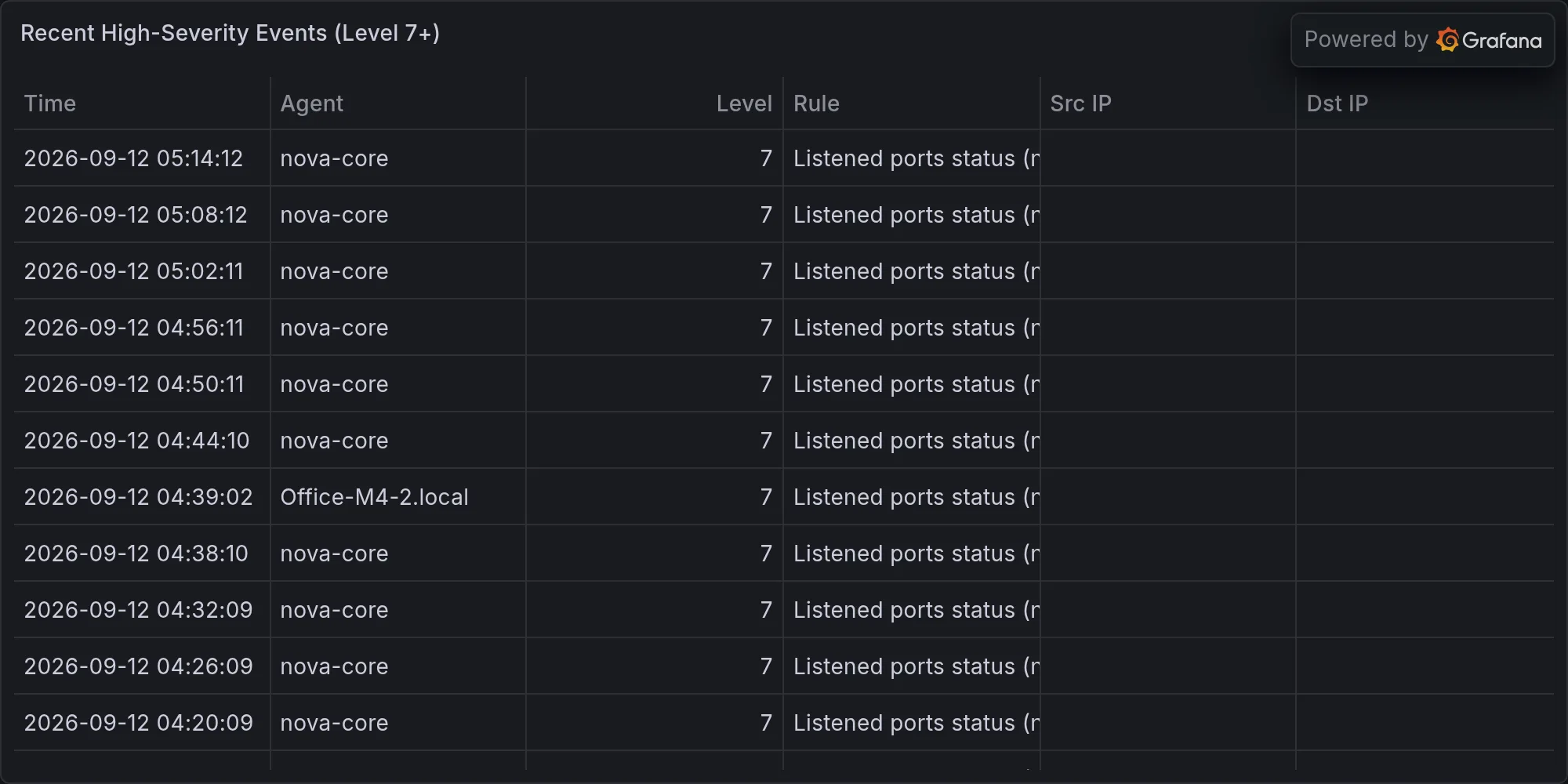
Recent high-severity events at publish time: