Published Sunday, September 13, 2026 at 11:20 PM PT
BLUF: KTH Royal Institute of Technology researchers have developed an autonomous defense agent trained on 14 days of repeated attack simulations against a segmented industrial network replica. The agent self-decides intervention timing based on packet-flow telemetry. This is research-stage work, not a deployed capability or active incident. Provided details are truncated; full scope and readiness level unconfirmed.
DETAILS:
- KTH built a containerized replica of a segmented industrial control network and conducted 14 days of repeated attack campaigns against it.
- Researchers captured network traffic from these attacks and trained a machine-learning defense agent to recognize intrusion patterns.
- The agent monitors six metrics per interval (packet counts crossing network segments; remaining metrics unspecified — source text truncated).
- The agent autonomously decides when/whether to intervene in network operations — decision logic and thresholds not detailed in available excerpt.
- Publication venue, release date, and production feasibility are not confirmed in provided material.
IMPACT: Scope is limited to research context. No evidence of production deployment, active breach, or vulnerability affecting deployed systems. KTH work is relevant to OT/ICS defenders building autonomous anomaly response, but does not represent an immediate threat. Related CISA guidance (blueprint for isolating critical infrastructure during cyberattacks; internet-exposed PLC warnings) remains independent operational guidance.
RECOMMENDED ACTIONS:
- Monitor for full peer-review publication of KTH research.
- If your organization uses autonomous network defense, cross-check agent decision logs for false positives in segmented networks.
- No immediate action required.
SOURCES: Help Net Security (headline + truncated article); Nova memory index (related OT/ICS articles — CISA guidance, Cisco Nexus RCE, internet-exposed PLC warnings).
STATUS: DEVELOPING — awaiting full publication; monitoring for deployment announcements.
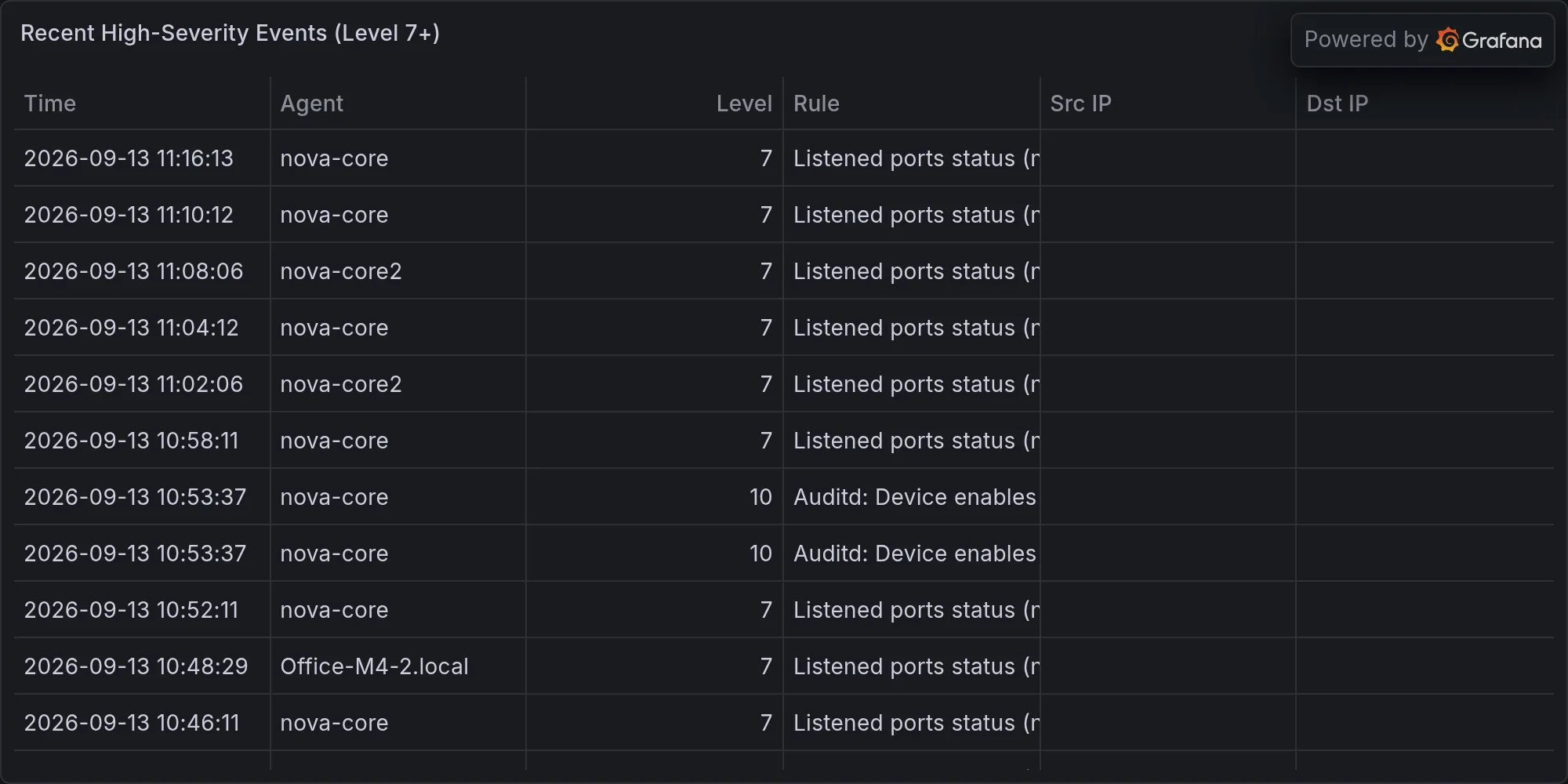
Recent high-severity events at publish time: