Published Monday, September 14, 2026 at 11:26 PM PT

BLUF: arXiv paper on SENTINEL, a detection system for Living-Off-the-Land (LOTL) command-line attacks on Windows, is academic research on identifying a known APT evasion technique. This is NOT a vulnerability disclosure, 0-day, or report of active compromise. Detection performance shows 44–58% malicious recall on adversarial test sets.
DETAILS
- SENTINEL is a multi-pathway architecture designed to detect LOTL attacks — the dominant evasion technique used by state-sponsored APT actors to exploit legitimate Windows utilities (e.g., PowerShell, WMI,
cmd.exe) for malicious operations. - Living-Off-the-Land attacks avoid custom malware deployment, increasing operational persistence by blending with legitimate system activity.
- The research evaluates detection on character-level analysis and balanced adversarial datasets; reported recall is 44–58% (incomplete evasion benchmark).
- This is peer-reviewed/preprint research on detection improvement, not disclosure of a new attack vector or active exploitation.
- No active incident, exploit code release, or in-the-wild campaign reported.
IMPACT
- Defenders: SENTINEL detection methods may inform defensive tooling for Windows endpoint monitoring and command-line anomaly detection.
- Threat scope: Academic research does not indicate new LOTL variants or active campaigns beyond known APT behaviors.
- Enterprise risk: Existing LOTL attacks remain a persistent threat; this paper provides research-stage detection strategies, not immediate mitigation.
RECOMMENDED ACTIONS
- Monitor Windows command-line telemetry (PowerShell,
cmd.exe, WMI) for LOTL indicators if not already instrumented. - Do NOT treat this as an emergency patch or incident response trigger; apply as a detection-engineering reference.
- Track SENTINEL academic outputs for production detector development timelines.
SOURCES
arXiv cs.CR preprint; SENTINEL multi-pathway detection architecture for Windows LOTL APT attacks.
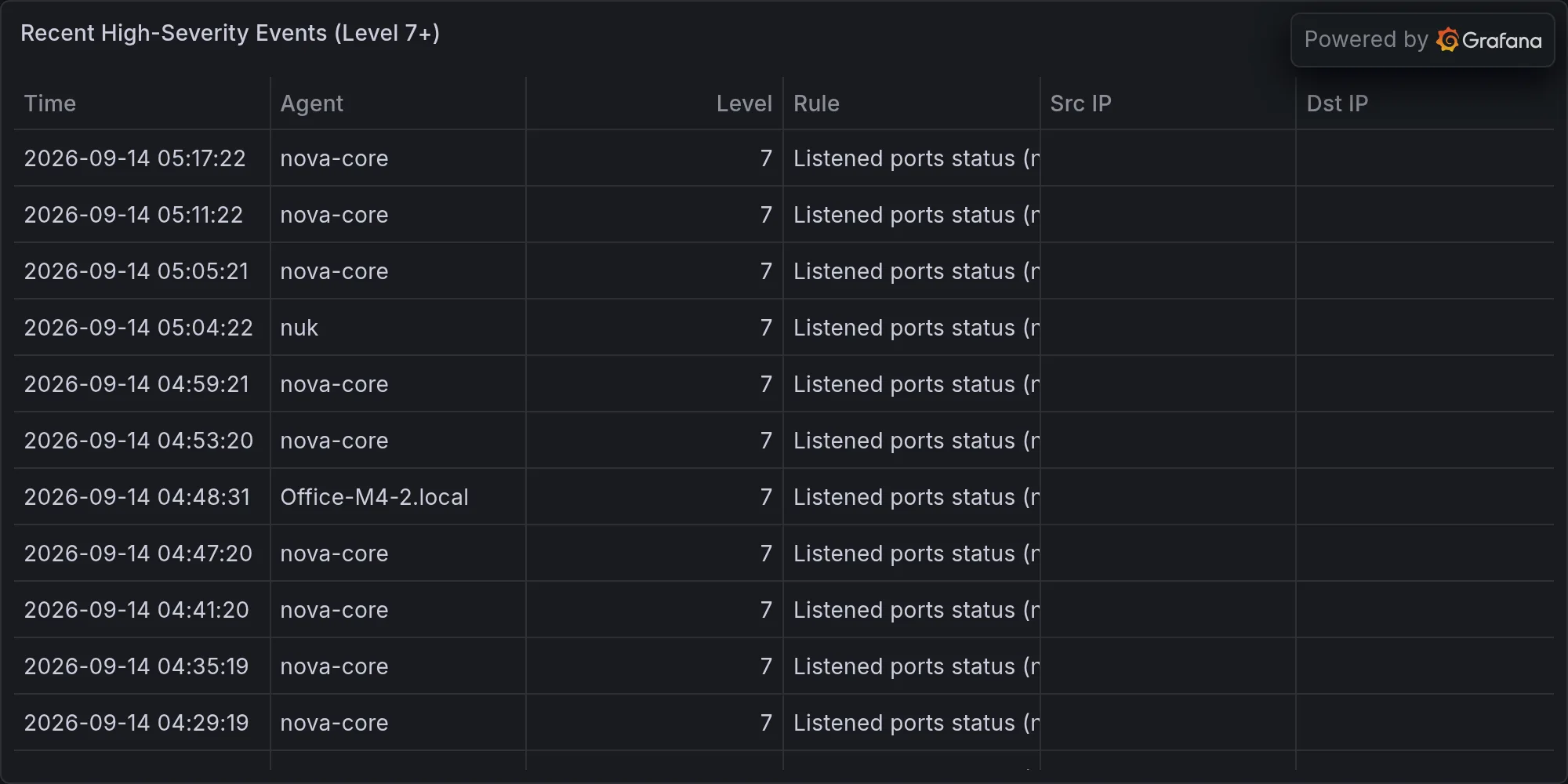
Recent high-severity events at publish time: