Published Thursday, September 17, 2026 at 11:32 AM PT

BLUF: CISA published formal guidance enabling critical infrastructure operators to deploy honeytokens and tripwires as early-warning detection mechanisms against APT reconnaissance and lateral movement. All critical infrastructure sector operators should review and prioritize implementation. Guidance is public and actionable immediately.
DETAILS
• CISA released the “Cyber Decoys” guide, providing structured methodology for deploying honeytokens (fake credentials, API keys, database records) and tripwires (detection triggers) within IT/OT/ICS environments.
• Guidance targets critical infrastructure owners and operators across all sectors—energy, water, transportation, healthcare, manufacturing, communications.
• Decoy deployment is positioned as a detection-focused countermeasure: if an attacker assumes a stolen credential or accesses a honeypot resource, immediate alerting confirms breach and enables rapid response before lateral movement or exfiltration.
• Multiple authoritative sources (Industrial Cyber, SecurityWeek, CSO Online, Help Net Security) report consistent coverage, confirming CISA publication and broad applicability.
• Guidance complements CISA’s concurrent priorities: insider threat programs, internet exposure reduction, and structured incident response isolation protocols—suggesting coordinated defensive posture hardening across the critical infrastructure base.
IMPACT
Who is affected: All critical infrastructure operators (CISA-designated sectors: CISA/DHS partners, smaller security teams, and integrated service providers managing IT/OT dependencies).
Scope: This is defensive guidance, not response to an active zero-day or nation-state campaign disclosure. However, the timing and coordination with insider-threat and exposure-reduction guidance suggests CISA is responding to sustained APT activity targeting critical infrastructure reconnaissance chains. Implementation is operator-discretionary but strongly signaled as urgent priority.
Immediate risk: Organizations without honeypot/decoy capabilities are blind to early-stage compromise. Threat actors conducting dwell-time reconnaissance (weeks to months pre-attack) will not trigger traditional alerts; decoys close that gap.
RECOMMENDED ACTIONS
• Immediate (24–48 hours): Retrieve CISA Cyber Decoys guide; assign to CISO/Blue Team lead for feasibility review. Identify which systems warrant honeytokens (domain controllers, shared file servers, database snapshots, API endpoints).
• Short-term (1–2 weeks): Pilot honeytokens in non-production OT/ICS lab if available; confirm alerting pipeline (SIEM, ticketing, SOC integration) before production deployment.
• Medium-term (30–90 days): Stage honeytokens in production IT systems (credentials, SSH keys); monitor for false positives; refine alert tuning.
• OT-specific: Coordinate OT decoy placement with engineering and asset-risk teams; honeytokens in OT must not impede safety systems or monitoring; consider decoys in OT-adjacent IT only (HMI access logs, vendor maintenance accounts).
SOURCES
• CISA (official, public release): Cyber Decoys guidance [attributed via Industrial Cyber, SecurityWeek, Help Net Security reporting] • Cross-verified reporting: Industrial Cyber, SecurityWeek, CSO Online, Help Net Security
Confidence: High (guidance confirmed by multiple authoritative industrial-cyber news sources; CISA publication model is standard for public defensive posture guidance).
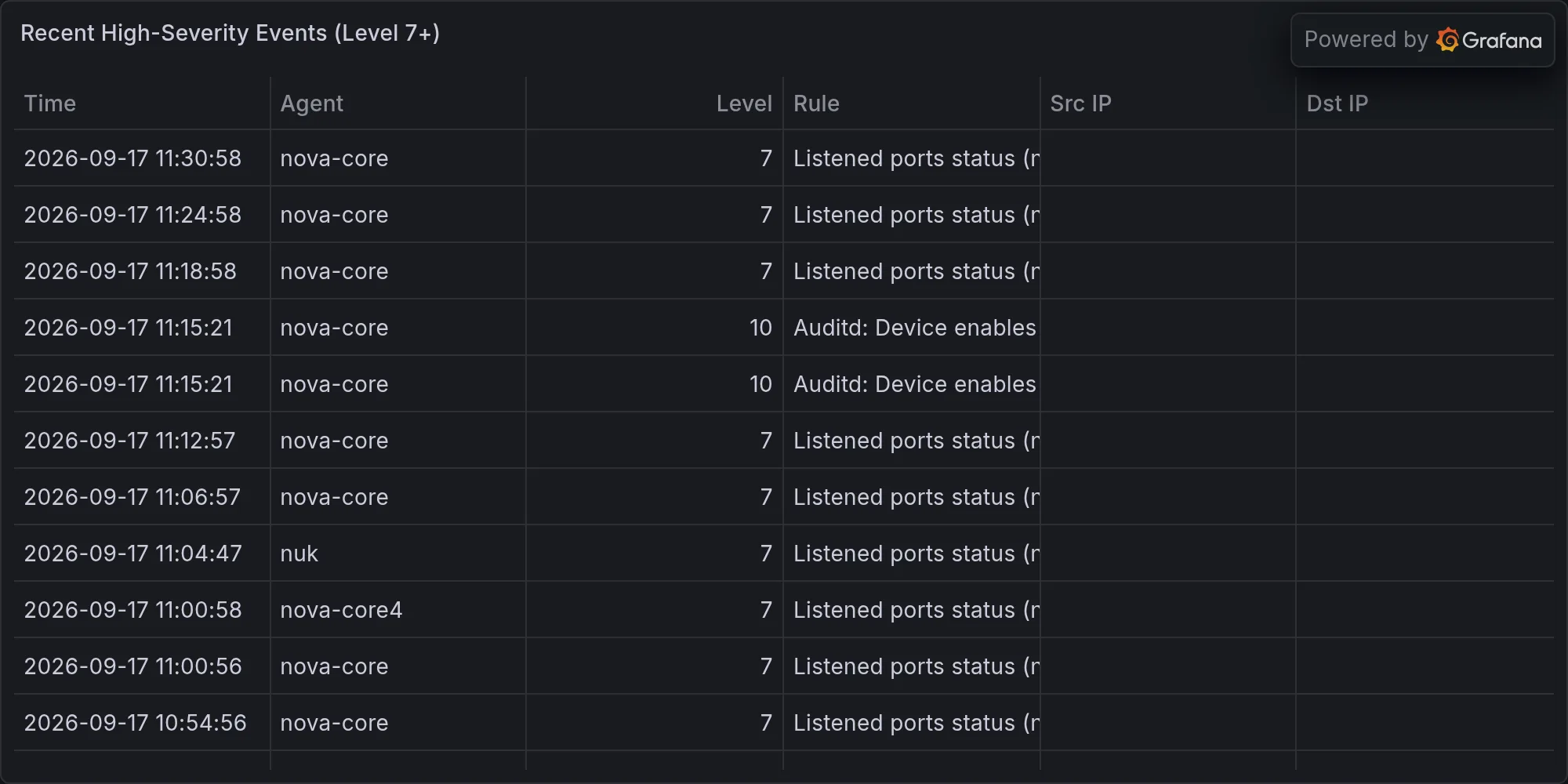
Recent high-severity events at publish time: