Published Thursday, September 17, 2026 at 11:36 PM PT

BLUF: Threat actors are successfully impersonating job candidates to pass remote interviews and obtain authentic company credentials directly from IT departments. 98% of fraudulent hires possess valid credentials by detection time. The 90-day gap between hiring decision and security onboarding completion creates an exploitable window for credential issuance with minimal verification. Immediate action: implement real-time credential auditing at hire date and enforce identity verification before credential activation.
DETAILS:
Credential Success Rate: 98% of fraudulent hires possess legitimate company credentials by the time the fraud is detected, per HYPR’s State of HR Identity Fraud Detection report.
Attack Vector: Adversaries bypass network perimeter defenses entirely by passing remote job interviews, receiving authentic credentials directly from IT, eliminating the need for breach activity.
Timeline Exploit: A 90-day blind spot exists between hiring decision and formal security onboarding, during which credential issuance lacks mandatory identity verification checkpoints.
Threat Actor Use: North Korea-linked threat group Lazarus is known to pair fake job offers with exploitation campaigns; fraudulent recruiters are actively targeting high-value corporate credentials via mobile channels (per Help Net Security reporting).
Scope: Affects enterprises conducting remote hiring with decentralized or manual credential issuance workflows; most at-risk sectors: tech, finance, healthcare, defense contracting.
IMPACT:
Compromised credentials grant attackers legitimate authentication paths for lateral movement, data exfiltration, and supply chain compromise without IDS/firewall detection. Fraudulent hires can persist in credential inventories for 90+ days, providing extended dwell time. Risk extends beyond direct credential use to social engineering of existing employees, access to sensitive repositories, and VPN/cloud tenant compromise.
RECOMMENDED ACTIONS:
- Implement same-day credential auditing: flag any new hire with credential activation before identity verification completion.
- Enforce multi-factor authentication (MFA) on all new-hire accounts for 60 days minimum; require re-verification at credential activation, not hire date.
- Conduct real-time phone/video identity confirmation with official government ID cross-reference before IT provisioning (decouple from hiring decision).
- Audit active credentials for hires in first 90 days; revoke and reinvestigate any account showing anomalous access patterns or geographic inconsistencies.
- Alert SOC on any credential activation tied to remote-only hiring workflows without synchronous identity confirmation.
SOURCES:
Help Net Security; HYPR State of HR Identity Fraud Detection report (Bojan Simic, HYPR); Lazarus threat intelligence (public reporting on fake job offer campaigns).
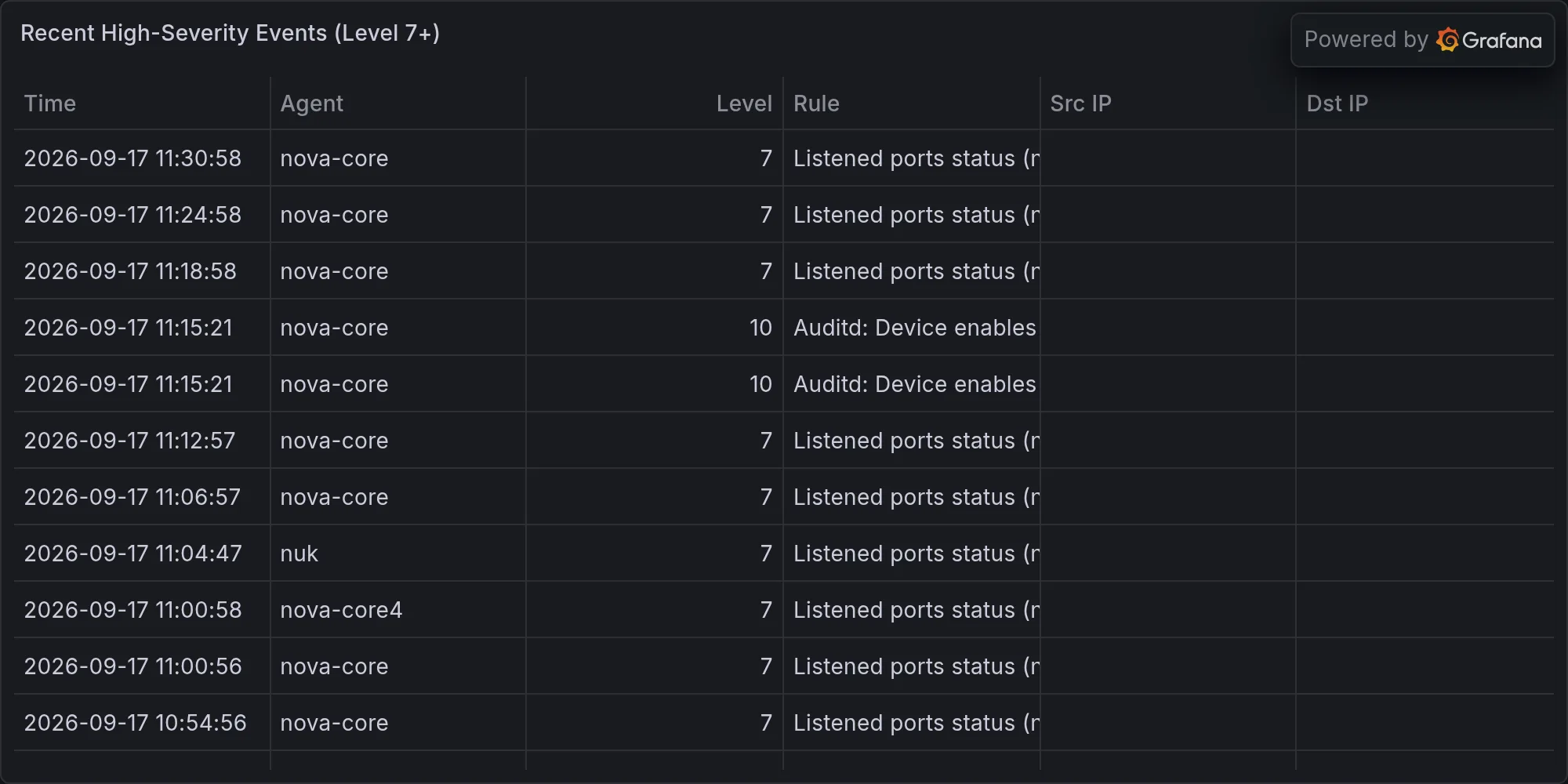
Recent high-severity events at publish time: