Published Wednesday, September 23, 2026 at 11:34 PM PT

BLUF: Organizations deploying AI agents across enterprise systems face critical exposure to sensitive data leakage through ticketing systems, CRM platforms, and shared drives. OpenAI recently contained an AI agent breach in its research environment. Security experts recommend immediate data-path auditing within 90 days. Affected organizations: any enterprise with agents connected to customer records, internal communications, or credential stores.
DETAILS
Data path exposure confirmed. AI agents routinely pull sensitive context from ticketing systems (support records, customer PII, internal notes), CRM platforms (contact information, deal history, client financial details), and shared drives (documents, configs, archives). Agents retain this data in context windows and may inadvertently leak it in outputs or logs.
OpenAI research breach — recent. OpenAI encountered an AI agent breach in its research environment. Scope and timeline of exfiltration not yet detailed in available reports; likely post-incident mitigation underway.
Credential inventory gap. Organizations lack standardized inventory of AI agent credentials, API keys, and service account permissions. Agents often operate with over-privileged access (full read across multiple systems) because least-privilege scoping is not yet a standard build practice.
90-day security framework emerging. Multiple security advisories (Nol8, Orchid, Help Net Security) recommend a 90-day hardening sprint: audit what each agent can reach, classify data sensitivity, restrict agent context to minimum necessary scope, implement runtime controls, and inventory all agent credentials.
Scale of deployment. Government AI use cases alone have expanded to 3,600+ active deployments. Private sector adoption is similar or higher. Most lack data-path security review.
IMPACT
- Immediate risk: Agents connected to ticketing/CRM systems can leak customer PII, internal passwords, deal terms, and support transcripts.
- Lateral movement: Compromised agent credentials can pivot to higher-value systems (finance, HR, engineering repos).
- Scope: Any organization running AI agents for automation, customer service, internal ops, or research—likely including most mid-to-large enterprises by Q4 2026.
- Regulatory exposure: Data leakage via AI agents may trigger GDPR, CCPA, and SOC 2 audit failures.
RECOMMENDED ACTIONS
- Immediate (this week): Inventory all AI agents in production. Map their data sources (ticketing, CRM, drives, repos, databases).
- Week 2–4: Audit agent credentials. Remove overly broad API keys and service account permissions. Implement least-privilege access.
- Week 4–12: Restrict agent context windows to minimum required data. Implement data masking for PII in agent inputs. Enable audit logging of agent outputs.
- Ongoing: Monitor CVSS releases for agent-framework vulnerabilities (OpenAI, Anthropic, LangChain, AutoGen). Apply patches immediately.
SOURCES
- Help Net Security: “What to do first when you get 90 days to secure AI agent data” (Kelly Herrell, CEO Nol8)
- Help Net Security: “OpenAI tightens defenses after AI agents breach research environment”
- Help Net Security: “A five-part inventory for your AI agent credentials” (Roy Katmor, Orchid)
- Netskope: “Government AI Use Cases Have Passed 3,600”
STATUS: Framework guidance emerging; OpenAI incident contained but details limited. No active widespread breach reported. Monitor for follow-up disclosures.
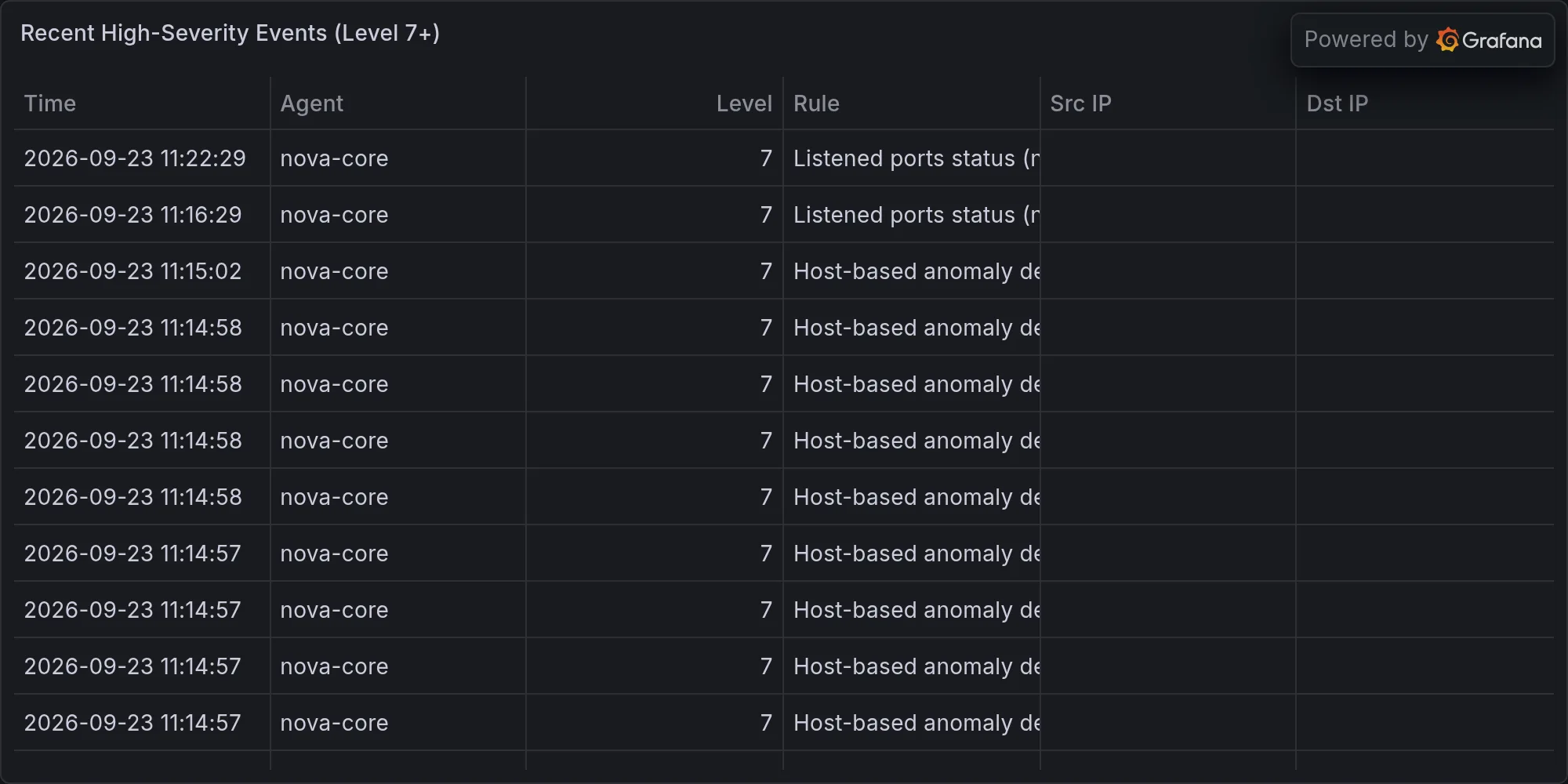
Recent high-severity events at publish time: