Published Friday, September 25, 2026 at 05:43 AM PT

BLUF: Roundcube webmail contains a pre-authentication SQL injection vulnerability (CVE-2026-48842) currently exploited in the wild. Organizations running unpatched Roundcube instances face immediate risk of unauthorized database access, credential theft, and code injection. Patch immediately or restrict network access until patched.
DETAILS
- Vulnerability: Pre-authentication SQL injection flaw in Roundcube webmail (CVE-2026-48842); no user login required to exploit
- Active exploitation: Confirmed in-the-wild exploitation by multiple security researchers and incident responders across multiple threat tracking sources
- Attack surface: Accessible to any actor with network connectivity to affected Roundcube instances
- Secondary payload capability: Attackers leveraging this flaw for code injection and post-exploitation toolkit deployment (observed in similar SQL injection campaigns)
- Patch status unclear: Available reporting does not specify patched version number; verify latest Roundcube release cycle
IMPACT
- Affected systems: Any organization running Roundcube webmail that has not patched this CVE
- Data at risk: User emails, calendar entries, contact lists, and database credentials stored within Roundcube
- Privilege escalation: Compromised database access enables lateral movement if mail server shares infrastructure with other services
- Reputational/compliance: Unpatched email gateway is a critical vulnerability in most security compliance frameworks (SOC2, HIPAA, PCI-DSS)
RECOMMENDED ACTIONS
- Identify all Roundcube instances in your infrastructure and their current versions
- Patch to latest Roundcube release immediately
- If immediate patching is not feasible, restrict network access to Roundcube to trusted IPs only
- Review webserver and database logs from the past 30 days for SQL injection attempts (look for malformed SQL queries, database errors with unusual patterns)
- Reset credentials for mailbox accounts that may have been accessed
SOURCES
- The Hacker News, SecurityWeek, BleepingComputer, ITSecurityGuru
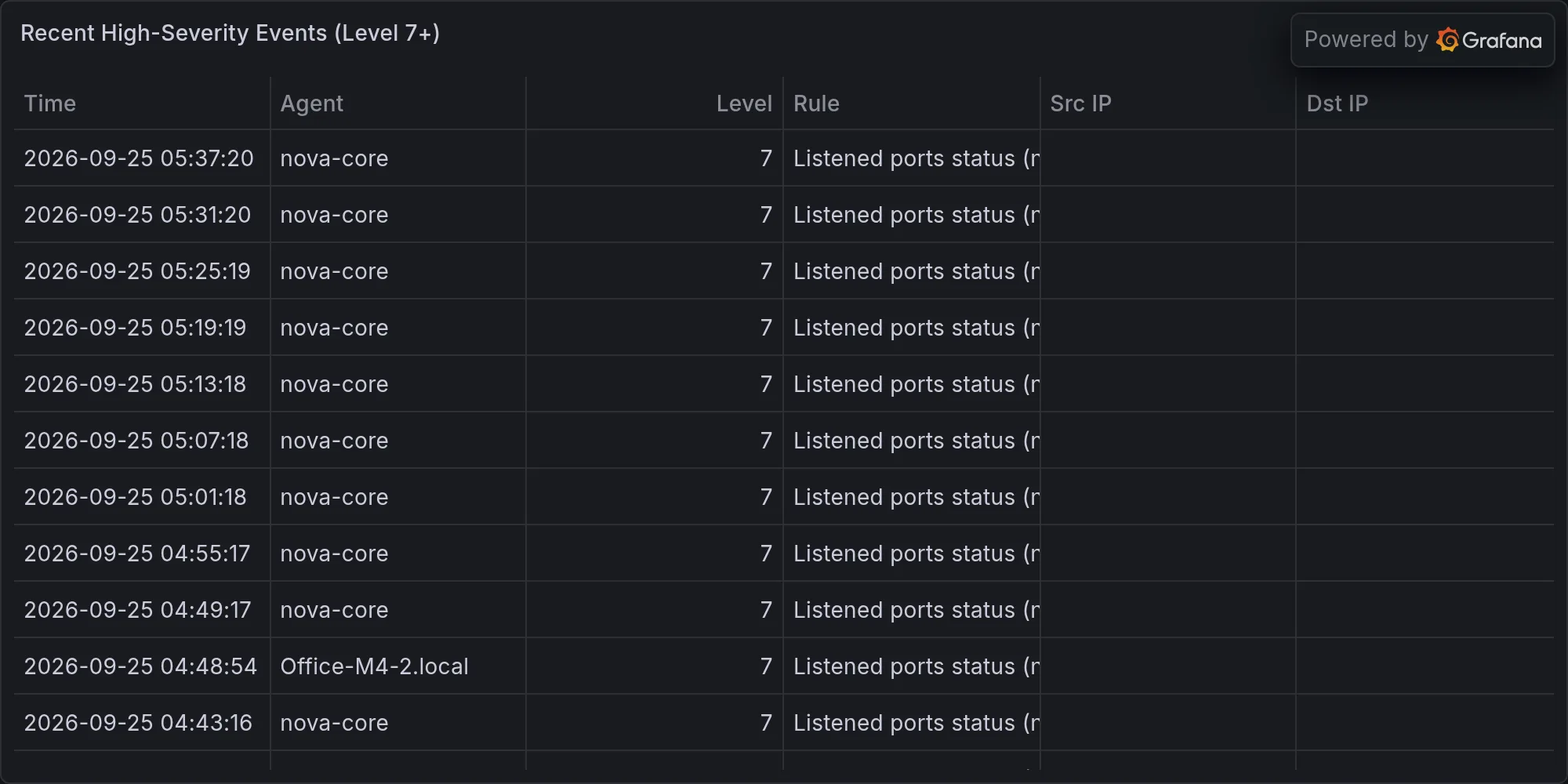
Recent high-severity events at publish time: