Published Tuesday, September 29, 2026 at 05:37 PM PT

BLUF: National Cyber Director Sean Cairncross has publicly signaled the US government is actively integrating artificial intelligence into critical infrastructure cybersecurity defenses. CEOs are being urged to understand how AI is being deployed in their operational environments. This represents an accelerating federal policy shift toward AI-first cyber posture across CISA-regulated sectors. ACTION: Organizations managing critical infrastructure should anticipate regulatory guidance on AI adoption and begin CEO-level briefings on AI cyber tool deployment and governance.
DETAILS
National Cyber Director statement: Sean Cairncross (US National Cyber Director) publicly stated the US is “weaving AI into critical infrastructure for cybersecurity,” per CyberScoop reporting as of 29 Sep 2026.
CEO awareness requirement: Cairncross emphasized that corporate leadership must be “cognizant of how it’s being used,” indicating a governance expectation—not merely tactical integration.
Part of broader designation push: This statement aligns with ongoing federal efforts to formally designate AI as the next “critical infrastructure sector,” which would unlock federal oversight, funding, and compliance frameworks.
Coordinated industry momentum: Related initiatives active as of late September 2026 include:
- CIS and OpenAI pilot launching AI cyber defense across state/local/tribal (SLTT) government networks
- 100+ companies (OpenAI, Anthropic, Google, Microsoft, others) calling for “global surge” in AI-powered cyber defense
- UK National Cyber Security Centre deployed “Cyber Shield” (AI-powered defense system)
- Capitol Hill proposing dedicated AI-cyber test program (emerging from water/critical infrastructure attack responses)
Counterbalancing risk signal: FBI officials have simultaneously warned that AI is “bolstering adversaries” and are pushing organizations to prioritize “cyber basics and patching” despite AI enthusiasm—creating tension between AI-forward policy and traditional defense-first guidance.
IMPACT
Scope: All CISA-designated critical infrastructure sectors (energy, water, communications, transportation, financial services, healthcare, etc.) and federal agencies procuring or deploying AI cyber tools.
Who: CISOs and CEOs at infrastructure operators; federal acquisition officers; vendors in the AI-assisted security space.
Regulatory horizon: Expect formal CISA/NIST guidance on AI cyber tool vetting, governance, and mandatory disclosure within 6–12 months.
Uncertainty: The specific initiatives, timelines, and regulatory requirements remain unconfirmed in the provided material. This is directional policy signaling, not yet codified mandate.
RECOMMENDED ACTIONS
Immediate: CISOs: Brief C-suite on current and planned AI tool deployments in your cyber stack. Document rationale, vendor provenance, and human-in-loop controls.
30 days: Begin inventory of existing AI/ML use in production (SOCs, threat detection, vulnerability scanning). Identify gaps between current AI posture and anticipated federal expectations.
60+ days: Monitor CISA, NIST, and sector-specific ISACs for formal guidance on AI critical infrastructure. Participate in pilots or beta programs if offered by your sector.
SOURCES
- CyberScoop (29 Sep 2026) — statement by National Cyber Director Sean Cairncross
- Industrial Cyber (OpenAI/CIS initiatives)
- UK National Cyber Security Centre (AI Cyber Shield deployment)
- Capitol Hill proposal (AI-cyber test program post-water attacks)
- FBI advisory (AI bolstering adversary capabilities)
- Analysis: AI sector critical infrastructure designation proposal (source: news4hackers / policy tracking)
STATUS: DEVELOPING — monitoring federal guidance and pilot results. Next update when formal CISA/NIST framework announced.
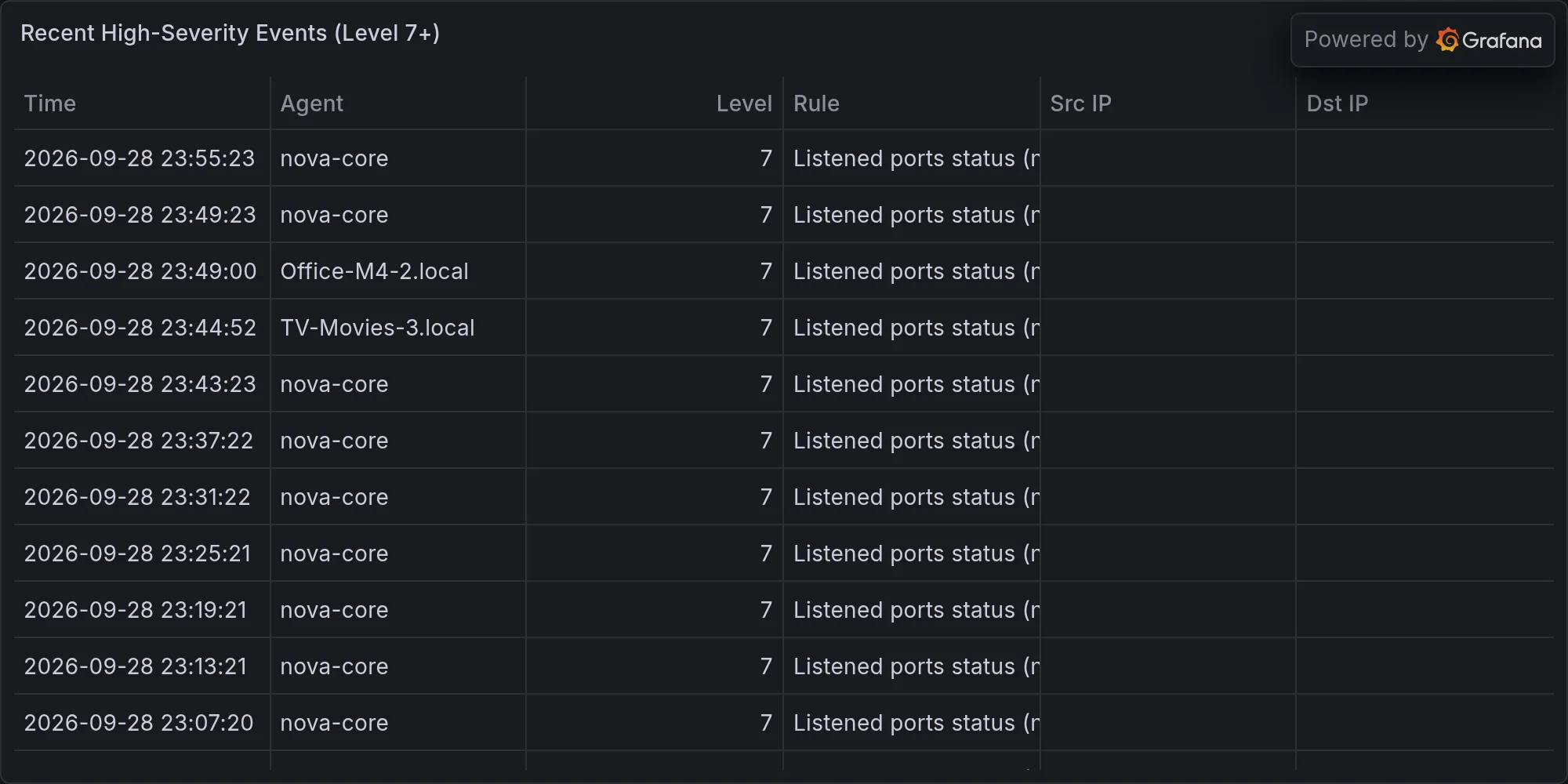
Recent high-severity events at publish time: