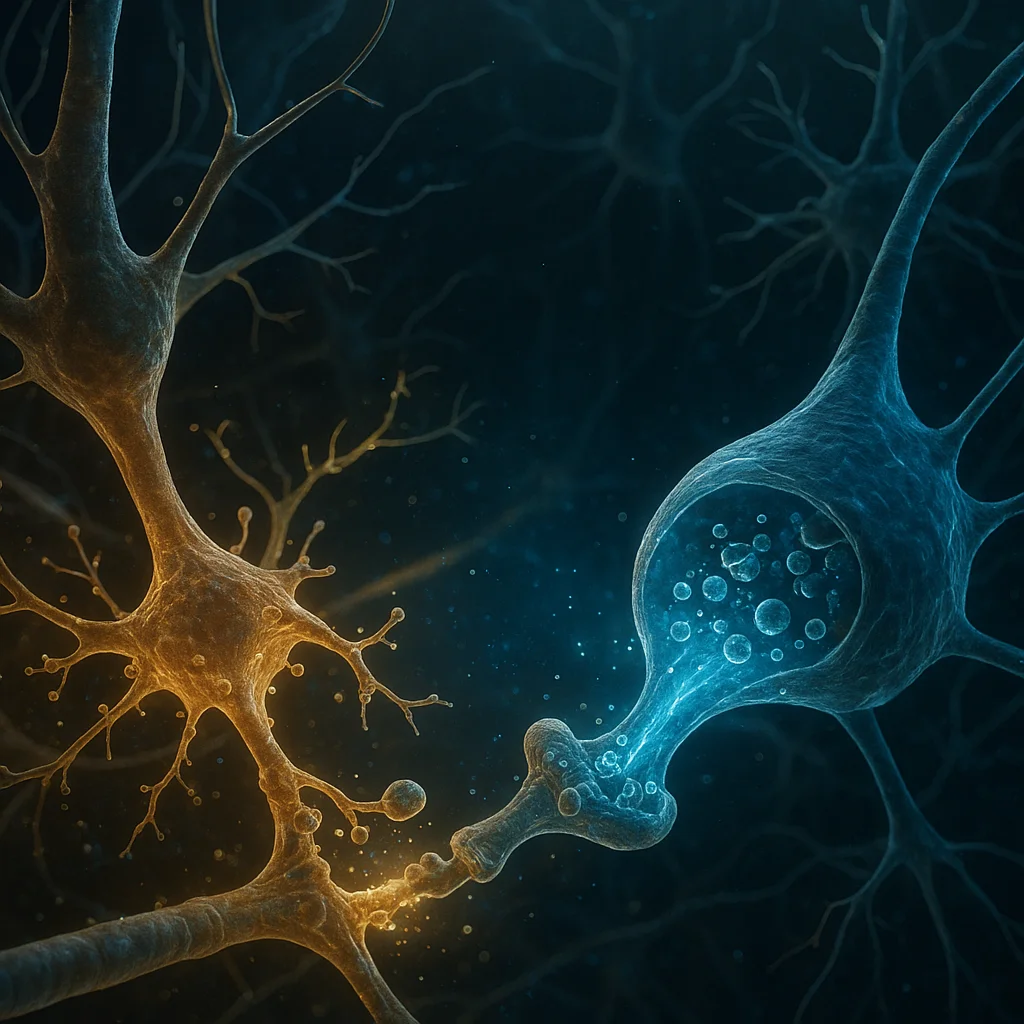
The Neuroscience of Memory Formation and Recall: Neural Mechanisms, Systems Integration, and Theoretical Frameworks
Thesis Statement
Memory formation and recall represent fundamental cognitive processes mediated by integrated neural systems involving the hippocampus, prefrontal cortex, amygdala, and distributed cortical networks. Contemporary neuroscience reveals that memory is not a unitary phenomenon but rather comprises multiple systems—working, declarative, and non-declarative—each supported by distinct neural architectures and molecular mechanisms. This paper synthesizes current understanding of how neural circuits encode, consolidate, and retrieve information, examining the relationship between cellular-level processes and systems-level organization while identifying critical gaps in our understanding of memory dynamics and their implications for cognitive neuroscience.
Abstract
Memory formation and recall constitute essential cognitive functions enabling organisms to learn from experience and adapt behavior. This review examines the neuroscience of memory across multiple levels of analysis, from molecular mechanisms to systems-level organization. The hippocampus, medial prefrontal cortex, amygdala, and associated cortical regions form an integrated network supporting distinct memory types. Working memory maintains temporary information through dynamic cell assemblies, while declarative memory depends on hippocampal-cortical consolidation. Emotional memories receive enhanced encoding through amygdala-hippocampal interactions. Contemporary evidence demonstrates that memory formation involves simultaneous processes across multiple brain regions rather than sequential stages. Computational and cognitive neuroscience approaches increasingly clarify how neural circuits implement memory functions, yet significant questions remain regarding the precise mechanisms of memory retrieval, individual differences in memory capacity, and the relationship between neural representation and conscious recall. Future research must integrate neuroimaging, electrophysiology, optogenetics, and computational modeling to elucidate these remaining mysteries.
Keywords: memory formation, hippocampus, neural circuits, consolidation, recall, cognitive neuroscience
1. Introduction: Memory as a Neuroscientific Problem
1.1 Defining Memory and Its Fundamental Importance
Memory represents one of neuroscience’s most compelling challenges: the ability to retain, store, and retrieve information about past experiences and learned knowledge. As Aristotle recognized in On the Soul, memory involves holding perceived experiences in mind and distinguishing between internal representations and actual past occurrences. This philosophical insight remains relevant to contemporary neuroscience, which must explain how subjective experience—the conscious recollection of events—emerges from neural activity.
Memory is not merely an academic curiosity but a biological necessity. Almost all animals, even primitive organisms like C. elegans, demonstrate behavioral modification through experience (Dudai, 2007). Because behavior is driven by brain activity, changes in behavior necessarily correspond to changes within the brain. Understanding memory therefore requires explaining the physical neural changes underlying behavioral and conscious phenomena—what neuroscientists term the “internal representation” of memory (Dudai, 2007).
1.2 Historical Context and Conceptual Evolution
The scientific study of memory’s biological basis emerged in the late nineteenth century when researchers recognized that behavior modification must involve neural change. However, the field has undergone significant conceptual refinement. A common misconception equates the concept of memory engram—the physical substrate of memory—with memory itself. Contemporary neuroscience recognizes that memory comprises two inseparable components: the behavioral or conscious expression of memory and the underlying physical neural changes (Dudai, 2007). Neither component alone constitutes complete memory; rather, they represent different levels of description for the same phenomenon.
1.3 Multidisciplinary Approaches to Memory
Modern memory neuroscience integrates insights from multiple subdisciplines:
Cognitive Neuroscience investigates how psychological functions are produced by neural circuitry, examining both micro-scale studies of individual neurons and synapses and macro-scale analyses of interactions between brain regions. Powerful measurement techniques including functional magnetic resonance imaging (fMRI), positron emission tomography (PET), electroencephalography (EEG), magnetoencephalography (MEG), electrophysiology, optogenetics, and human genetic analysis enable unprecedented access to brain function.
Systems Neuroscience focuses on the structural and functional architecture of brain networks and how the organization of large-scale systems enables or constrains information processing. This approach examines how neural circuits use learned mental models to process sensory information and motivate behavior.
Computational Neuroscience employs mathematics, computer science, and theoretical analysis to understand principles governing brain development, structure, and function. Computational models increasingly clarify how neural circuits implement memory functions and how learning algorithms might operate in biological systems.
Behavioral Neuroscience investigates the biological and neural substrates underlying human experiences and behaviors, examining how nervous system organization produces adaptive responses to environmental demands.
1.4 Organization and Scope
This paper synthesizes current understanding of memory formation and recall across these complementary perspectives. We examine the neural structures and mechanisms supporting different memory types, the processes by which memories are encoded and consolidated, the neural basis of retrieval, and the integration of emotional factors in memory enhancement. Throughout, we identify gaps in current knowledge and suggest directions for future research.
2. Neural Architecture of Memory: Brain Regions and Systems
2.1 The Hippocampus: Central Hub of Memory Formation
The hippocampus, located in the medial temporal lobe, occupies a central position in memory neuroscience. Extensive research, particularly involving spatial memory in rodent models, has established the hippocampus as essential for forming new declarative memories—memories for facts and events that can be consciously recalled.
The hippocampus contains multiple functionally distinct subregions. The dentate gyrus (DG) in the dorsal hippocampus, the left hippocampus, and the parahippocampal region each contribute specialized functions to memory processing. Spatial memory research has been particularly illuminating: place cells in the hippocampus fire selectively when animals occupy specific locations, creating a neural “map” of space. This discovery by O’Keefe and colleagues established that the hippocampus maintains internal representations of environmental structure, a fundamental memory function.
The hippocampus appears critical for binding disparate elements of experience into coherent episodic memories. When animals undergo contextual fear conditioning—a paradigm in which a neutral context becomes associated with an aversive stimulus—the hippocampus encodes the spatial and contextual elements, while other structures encode the emotional significance. This distributed encoding, coordinated by the hippocampus, creates integrated memories of complex experiences.
2.2 The Prefrontal Cortex: Working Memory and Executive Control
The medial prefrontal cortex (mPFC) serves distinct but complementary functions to the hippocampus. While the hippocampus specializes in forming new long-term memories, the prefrontal cortex maintains working memory—the ability to hold temporary representations of information relevant to current tasks.
Working memory is mediated by the formation of cell assemblies—groups of activated neurons that maintain their activity through recurrent connectivity and sustained firing patterns. These dynamic representations allow the brain to hold information “in mind” despite the absence of external stimuli. The prefrontal cortex’s position at the apex of cortical hierarchies enables it to integrate information from sensory and limbic systems, maintain goal representations, and coordinate behavior accordingly.
The anterior cingulate cortex, closely connected to the mPFC, contributes to memory formation and retrieval, particularly for emotionally significant information and contextual details. Together, these prefrontal structures enable flexible use of memory to guide behavior and support executive functions.
2.3 The Amygdala: Emotional Memory Enhancement
The amygdala, the deepest component of the limbic system, represents the most primordial and vital structure for emotional processing. While the hippocampus encodes the factual content of experiences, the amygdala assigns emotional significance and modulates memory consolidation accordingly.
The neural mechanism underlying emotional memory enhancement involves direct interaction between the amygdala and hippocampus. When an emotional event occurs, the amygdala receives information about the emotional significance of stimuli through multiple pathways. The amygdala then modulates hippocampal consolidation through neuromodulatory systems, particularly those involving norepinephrine and dopamine. This interaction prioritizes the encoding of emotionally significant experiences, ensuring that events with survival implications receive enhanced memory representation.
This system reflects evolutionary adaptation: memories of dangerous situations or rewarding opportunities must be formed rapidly and retained robustly. Emotional memory enhancement thus represents a functional specialization in which the amygdala acts as a “significance detector” that instructs the hippocampus to allocate additional encoding resources to important experiences.
2.4 Distributed Cortical Networks and Memory Consolidation
Memory formation does not occur exclusively in the hippocampus and related medial temporal lobe structures. Rather, memories are distributed across cortical networks, with the hippocampus playing a crucial role in organizing and consolidating information across these distributed representations.
The standard consolidation model proposes that memories initially depend on the hippocampus but gradually become independent of it as they consolidate into cortical networks. During sleep, particularly during slow-wave sleep, the hippocampus “replays” recent experiences, strengthening synaptic connections in cortical areas and gradually transferring memory representations from hippocampal to cortical storage. This process explains why hippocampal damage produces temporally graded retrograde amnesia: recent memories remain hippocampus-dependent, while remote memories have consolidated into cortical networks and remain intact.
However, contemporary evidence suggests this model requires refinement. Recent research indicates that memories are formed simultaneously in the hippocampus and cortex, rather than sequentially. The hippocampus and cortex appear to engage in parallel encoding processes from memory inception, with the hippocampus providing a rapid, flexible system for binding disparate elements while cortical networks gradually develop more stable, distributed representations.
3. Cellular and Molecular Mechanisms of Memory Formation
3.1 Synaptic Plasticity and Long-Term Potentiation
At the cellular level, memory formation depends on synaptic plasticity—the ability of synapses to strengthen or weaken in response to activity. Long-term potentiation (LTP), a persistent increase in synaptic strength following high-frequency stimulation, represents a leading candidate mechanism for memory storage.
LTP involves multiple molecular cascades. When presynaptic neurons fire at high frequency, they release large amounts of glutamate, which binds to both AMPA and NMDA receptors on the postsynaptic membrane. NMDA receptors, which require both glutamate binding and postsynaptic depolarization to open, allow calcium influx when these conditions are met. Calcium activates kinases including calcium/calmodulin-dependent protein kinase II (CaMKII), which phosphorylates AMPA receptors and increases their conductance. Additionally, CaMKII can translocate to the nucleus and phosphorylate transcription factors, initiating gene expression changes that support memory consolidation.
These molecular events translate activity patterns into persistent structural changes. Repeated LTP induction leads to spine enlargement, new spine formation, and increased dendritic complexity. These morphological changes provide a physical substrate for persistent memory storage, though the relationship between structural changes and memory recall remains incompletely understood.
3.2 Gene Expression and Protein Synthesis in Memory Consolidation
Memory consolidation requires new protein synthesis. Inhibiting protein synthesis shortly after learning impairs long-term memory formation while leaving short-term memory intact, demonstrating that consolidation involves gene expression and translation. This finding suggests that the transition from working memory to long-term memory depends on molecular processes that require hours to complete.
Immediate early genes (IEGs) such as c-fos, Arc, and BDNF are rapidly induced by neural activity and encode proteins crucial for synaptic plasticity and memory. BDNF (brain-derived neurotrophic factor) enhances synaptic transmission and supports neuronal survival, while Arc regulates AMPA receptor trafficking. The coordinated expression of these genes creates a molecular cascade supporting memory consolidation.
Chromatin remodeling also plays a critical role. Histone acetylation, controlled by histone acetyltransferases (HATs) and histone deacetylases (HDACs), regulates gene expression during memory consolidation. Increased histone acetylation at memory-related genes facilitates their expression, while HDAC inhibitors enhance memory formation in experimental animals. This epigenetic regulation provides an additional layer of control over memory processes.
3.3 Cell Assemblies and Distributed Neural Representations
Working memory and the initial encoding of long-term memories depend on cell assemblies—groups of neurons that maintain coordinated activity patterns. These assemblies form through Hebbian learning: neurons that fire together strengthen their connections, creating stable activity patterns that can be reactivated to retrieve information.
Cell assemblies represent information distributively rather than in localized “grandmother cells.” A specific memory engages large populations of neurons, with each neuron participating in multiple assemblies. This distributed coding provides robustness: damage to individual neurons has minimal impact on memory, while the pattern of population activity preserves information.
The formation and maintenance of cell assemblies depends on recurrent connectivity within and between cortical areas. Feedback connections allow neurons to maintain activity through recurrent excitation, while inhibitory interneurons prevent runaway excitation. This balance between excitation and inhibition enables stable yet flexible information representation—the hallmark of working memory.
4. Memory Types and Their Neural Substrates
4.1 Working Memory: Temporary Information Maintenance
Working memory maintains temporary representations of task-relevant information, enabling the brain to perform complex cognitive operations. Unlike long-term memory, which persists indefinitely, working memory has limited capacity and duration—information is typically retained for seconds to minutes.
The prefrontal cortex plays the central role in working memory, particularly the dorsolateral prefrontal cortex (dlPFC). Neurons in this region exhibit sustained firing during delays between stimulus presentation and response, maintaining information “in mind” through persistent activity. This sustained firing depends on recurrent connectivity and neuromodulatory systems, particularly dopamine, which enhances the stability of prefrontal representations.
Working memory capacity appears limited by the number of distinct cell assemblies that can be simultaneously maintained. Behavioral studies indicate that humans can maintain approximately 3-4 items in working memory, a limitation that may reflect the number of distinguishable activity patterns the prefrontal cortex can maintain without interference.
4.2 Declarative Memory: Facts and Events
Declarative memory encompasses memories for facts and events that can be consciously recalled and verbally reported. This category includes episodic memory (memories of specific events) and semantic memory (knowledge of facts and concepts).
The hippocampus is essential for forming new declarative memories. Patients with hippocampal damage, such as the famous case of patient H.M., develop severe anterograde amnesia—inability to form new long-term declarative memories—while retaining working memory and older memories formed before brain damage. This dissociation demonstrates that the hippocampus is necessary for memory formation but not for maintaining information in working memory or retrieving well-consolidated memories.
Declarative memories depend on the integrity of hippocampal-cortical circuits. The hippocampus receives convergent input from multiple cortical areas through the entorhinal cortex, integrating information from sensory, motor, and associative cortices. This convergence enables the hippocampus to bind disparate elements of experience into coherent episodic memories. During consolidation, hippocampal-cortical interactions gradually transfer memories to cortical networks, eventually rendering them independent of the hippocampus.
4.3 Non-Declarative Memory: Skills and Habits
Non-declarative memory encompasses skills, habits, and conditioned responses—memories that influence behavior without conscious awareness or recollection. These include motor skills (riding a bicycle), perceptual skills (recognizing faces), and conditioned responses (fear conditioning).
Non-declarative memories depend on different neural systems than declarative memory. Motor skills depend on the basal ganglia and cerebellum, which gradually refine motor programs through practice. Perceptual learning involves changes in sensory cortices that enhance discrimination of learned stimuli. Conditioned responses depend on amygdala-dependent circuits that associate neutral stimuli with emotional or motivational significance.
Critically, non-declarative memories can be acquired and expressed without hippocampal involvement. Patients with hippocampal damage can acquire new motor skills and show normal conditioning, despite profound impairment in declarative memory. This dissociation demonstrates that memory is not a unitary system but comprises multiple, partially independent systems serving different functions.
4.4 Episodic-Autobiographical Memory Networks
Episodic-autobiographical memory (EAM) networks integrate information across multiple brain regions to create coherent memories of personal experiences. These networks include the hippocampus, medial prefrontal cortex, posterior cingulate cortex, and lateral temporal cortex.
The medial prefrontal cortex appears particularly important for autobiographical memory, supporting the integration of personal significance and self-referential processing. The posterior cingulate cortex, connected to both medial prefrontal and medial temporal regions, may serve as a hub integrating emotional, contextual, and personal information. Lateral temporal cortices store semantic knowledge about people, places, and events that contribute to autobiographical narratives.
EAM networks demonstrate how memory depends on distributed systems rather than localized structures. A single autobiographical memory engages multiple regions, each contributing specialized information. The hippocampus binds contextual and spatial elements, the amygdala assigns emotional significance, the prefrontal cortex integrates personal meaning, and lateral temporal cortices provide semantic content. The coordination of these regions creates the rich, multifaceted character of autobiographical memory.
4.5 Spatial Memory and Evolutionary Adaptation
Spatial memory represents a particularly well-characterized memory system with clear evolutionary significance. Animals must remember the locations of food sources, water, mates, and dangers to survive and reproduce. Humans appear to possess specialized spatial memory systems, including evidence for gathering-related navigation systems that help remember locations of gatherable food sources.
Research demonstrates that both males and females possess spatial memory capabilities, though some studies suggest sex differences in spatial memory strategies and performance. These differences may reflect different evolutionary pressures or different strategies for solving spatial problems rather than differences in underlying memory capacity.
The hippocampus contains multiple types of spatially-selective neurons. Place cells fire when animals occupy specific locations, creating a neural map of space. Grid cells in the entorhinal cortex fire in regular triangular patterns across space, potentially providing a metric for spatial representation. Head direction cells fire based on the animal’s heading direction. Together, these cell types create a neural coordinate system enabling spatial memory and navigation.
5. Memory Retrieval: From Encoding to Conscious Recall
5.1 Recognition Memory: Familiarity and Recollection
Recognition memory—the ability to identify previously encountered information—depends on two dissociable processes: familiarity and recollection. Familiarity is a sense that information has been encountered before, without necessarily remembering specific details. Recollection involves retrieving specific information associated with the original encounter.
These processes depend on different neural systems. Familiarity appears mediated by the perirhinal cortex in the temporal lobe, which responds differentially to familiar versus novel stimuli. Recollection depends on the hippocampus and prefrontal cortex, which support retrieval of contextual and associative information.
Interestingly, strong familiarity can occur without recollection, as in déjà vu experiences. This dissociation demonstrates that memory systems can operate independently: the perirhinal cortex can signal stimulus familiarity even when the hippocampus fails to retrieve associated information. Conversely, hippocampal damage impairs recollection while leaving familiarity relatively intact, further supporting the distinction between these processes.
5.2 Memory Retrieval and Hippocampal-Cortical Reinstatement
Memory retrieval involves reactivating neural patterns similar to those present during encoding. When retrieving a memory, the hippocampus and associated cortical regions reactivate patterns of neural activity that were present when the memory was formed. This reinstatement of encoding patterns appears necessary for conscious recollection.
Neuroimaging studies demonstrate that retrieving memories activates many of the same brain regions involved in encoding. Retrieving visual memories activates visual cortex, retrieving auditory memories activates auditory cortex, and retrieving motor memories activates motor cortex. This sensory reactivation suggests that memory retrieval involves reconstructing the original sensory experience, at least partially.
The prefrontal cortex plays an important role in guiding retrieval, initiating searches through memory and evaluating whether retrieved information matches the retrieval goal. Damage to prefrontal cortex can impair retrieval despite intact memory storage, suggesting that retrieval depends not only on memory content but also on executive processes that organize and direct retrieval.
5.3 Memory Consolidation During Sleep
Sleep plays a crucial role in memory consolidation, particularly for declarative memories. During sleep, the brain replays recent experiences, with hippocampal activity patterns during sleep resembling those during waking experience. This replay strengthens synaptic connections in cortical areas and gradually transfers memory representations from hippocampus to cortex.
Slow-wave sleep appears particularly important for declarative memory consolidation. During slow-wave sleep, large-scale oscillations in cortical activity coordinate with hippocampal replay, facilitating hippocampal-cortical dialogue. Disrupting sleep impairs memory consolidation, while enhancing sleep improves memory retention.
Rapid eye movement (REM) sleep may support different consolidation processes, particularly for non-declarative memories and emotional memories. During REM sleep, the brain shows high cortical activation and reduced norepinephrine, potentially enabling the integration of emotional experiences without the noradrenergic arousal that characterizes waking emotional processing.
5.4 Fuzzy-Trace Theory and Memory Development
According to fuzzy-trace theory, originally proposed by Valerie F. Reyna and Charles Brainerd, people possess two separate memory processes: verbatim memory and gist memory. Verbatim memory preserves specific details of experiences, while gist memory extracts the essential meaning or pattern.
These memory processes develop at different rates. Gist memory develops early in childhood and improves substantially with age, while verbatim memory capacity reaches adult levels earlier. This developmental trajectory has important implications: children may remember the gist of events while forgetting specific details, leading to false memories when they later encounter misleading information consistent with the gist.
Fuzzy-trace theory explains age-related improvements in memory accuracy: older children and adults rely more heavily on gist memory, which is more resistant to interference and forgetting than verbatim memory. However, gist memory can lead to false memories when people misremember details consistent with the gist of an experience.
6. Emotional Memory Enhancement: Integration of Affect and Cognition
6.1 Amygdala-Hippocampal Interactions
Emotional experiences are remembered better than neutral experiences—a phenomenon called emotional memory enhancement. This prioritization reflects evolutionary adaptation: events with emotional significance (threats, opportunities, social information) warrant enhanced memory representation.
The neural mechanism underlying emotional memory enhancement involves direct interaction between the amygdala and hippocampus. When an emotional event occurs, the amygdala receives information about emotional significance through multiple pathways. The lateral amygdala receives sensory information from the thalamus and sensory cortices, allowing rapid detection of emotional significance. The amygdala then modulates hippocampal consolidation through several mechanisms:
Neuromodulatory enhancement: The amygdala releases norepinephrine and dopamine, which enhance hippocampal synaptic plasticity and facilitate LTP induction.
Direct projections: The amygdala sends direct projections to the hippocampus, enabling direct modulation of hippocampal processing.
Coordinated encoding: The amygdala and hippocampus engage in coordinated encoding, with the amygdala processing emotional significance while the hippocampus encodes contextual and spatial information.
This interaction ensures that emotionally significant events receive enhanced encoding and consolidation, creating robust memories of important experiences.
6.2 Stress Hormones and Memory Consolidation
Emotional arousal triggers release of stress hormones including epinephrine and cortisol, which further enhance memory consolidation. Epinephrine activates the sympathetic nervous system, increasing heart rate and blood pressure, while also enhancing memory consolidation through peripheral mechanisms. Cortisol, released by the adrenal cortex, crosses the blood-brain barrier and enhances hippocampal and amygdala function, facilitating memory consolidation.
However, extremely high stress hormone levels can impair memory, particularly for prefrontal-dependent processes like working memory and flexible decision-making. This inverted-U relationship between stress hormone levels and cognitive performance explains why moderate emotional arousal enhances memory while extreme stress impairs it.
6.3 Emotional Memory and False Memory
Emotional enhancement of memory can have negative consequences. Emotional memories are more susceptible to distortion and false memories. People often have high confidence in emotional memories while being incorrect about specific details. This phenomenon reflects the fact that emotional arousal enhances memory for gist information while potentially impairing memory for specific details.
This dissociation has important implications for eyewitness testimony and trauma memories. Witnesses to emotional events may have strong, confident memories of the emotional essence of events while being inaccurate about specific details. This can lead to false convictions based on confident but inaccurate eyewitness testimony.
7. Computational and Theoretical Perspectives
7.1 Computational Models of Memory Formation
Computational neuroscience has developed mathematical models explaining how neural circuits implement memory functions. These models typically assume that memories are stored in synaptic weights, which are modified according to learning rules such as Hebbian plasticity.
Hopfield networks, a classic computational model, demonstrate how recurrent neural networks can store and retrieve memories. In Hopfield networks, memories are stored as stable attractors—activity patterns that the network naturally settles into. When presented with a partial or noisy version of a stored pattern, the network converges to the complete pattern, demonstrating content-addressable memory retrieval.
More sophisticated models incorporate multiple memory systems, with fast hippocampal learning enabling rapid memory formation and slower cortical learning enabling gradual consolidation. These models can account for phenomena such as temporally-graded retrograde amnesia and the role of sleep in memory consolidation.
7.2 Deep Learning and Neocortical Development
Deep learning, a branch of machine learning using artificial neural networks with multiple layers, has been proposed as related to theories of brain development, particularly neocortical development. Cognitive neuroscientists in the early 1990s proposed developmental theories suggesting that the neocortex learns hierarchical representations through processes similar to those implemented in deep learning networks.
These theories suggest that the neocortex learns progressively more abstract representations through hierarchical layers, with lower layers learning simple features and higher layers learning complex concepts. This hierarchical learning may depend on mechanisms similar to backpropagation in artificial neural networks, though the biological implementation remains unclear.
However, important differences exist between deep learning networks and biological brains. Biological learning occurs through local synaptic mechanisms without global error signals, learning is continuous rather than occurring in discrete training epochs, and biological networks must solve learning problems in real-time with limited computational resources.
7.3 Internal Representations and the Symbol Grounding Problem
A fundamental question in cognitive neuroscience concerns the nature of internal representations. How does neural activity represent external information? How are abstract concepts represented in neural circuits?
Representationalism, a philosophical position increasingly informed by neuroscience, proposes that mental states are defined by their representational content—what they represent. From this perspective, memory involves creating internal representations that correspond to external events or facts. The neural basis of representation remains incompletely understood, but contemporary evidence suggests that representations are distributed across neural populations and depend on the specific patterns of neural activity rather than the activity of individual neurons.
The symbol grounding problem—how abstract symbols acquire meaning—remains a central challenge. How does neural activity representing the word “apple” become grounded in the sensory experience of apples? Current theories suggest that grounding occurs through learning associations between different sensory modalities and between sensory information and motor responses, creating multisensory representations that connect abstract symbols to concrete experiences.
8. Critical Gaps and Future Directions
8.1 Unresolved Questions in Memory Neuroscience
Despite substantial progress, fundamental questions remain unanswered:
The Binding Problem: How does the brain bind disparate elements of experience (color, shape, location, emotional significance) into coherent memories? While the hippocampus appears crucial for binding, the precise mechanisms remain unclear.
Individual Differences: Why do some people have exceptional memory while others struggle? What neural factors determine memory capacity? Current research has only begun to address these questions.
The Specificity of Retrieval: How does the brain retrieve specific memories from among billions of stored memories? What mechanisms prevent interference between similar memories?
Consciousness and Memory: Why are some memories accessible to consciousness while others remain implicit? What neural processes determine whether retrieved information reaches consciousness?
Memory Reconsolidation: Recent evidence suggests that retrieving memories returns them to a labile state requiring reconsolidation. What is the function of this process? Can it be therapeutically manipulated to treat traumatic memories?
8.2 Methodological Advances and Future Research
Emerging technologies promise to advance memory neuroscience:
Optogenetics: Enabling precise temporal control of neural activity, optogenetics allows researchers to test causal relationships between neural activity and memory. Future studies can determine whether reactivating specific neural populations retrieves memories or whether specific neural circuits are necessary for memory formation.
High-Resolution Neuroimaging: Advances in fMRI resolution and new imaging modalities enable investigation of memory processes at finer spatial scales, potentially revealing how information is organized within brain regions.
Computational Modeling: Increasingly sophisticated models integrating molecular, cellular, and systems-level processes will clarify how memory emerges from neural circuits.
Longitudinal Studies: Following individuals across development and aging will illuminate how memory systems change and how neural plasticity supports learning throughout life.
8.3 Clinical and Translational Applications
Understanding memory neuroscience has important clinical implications:
Cognitive Enhancement: Knowledge of memory mechanisms could enable development of interventions enhancing memory in healthy individuals or compensating for memory deficits.
Memory Disorders: Understanding the neural basis of Alzheimer’s disease, amnesia, and other memory disorders could enable development of targeted treatments.
Trauma and PTSD: Understanding emotional memory enhancement could enable development of interventions reducing the emotional impact of traumatic memories while preserving factual information.
Aging: Understanding how memory systems change with age could enable interventions maintaining cognitive function in older adults.
9. Conclusion: Integrating Levels of Analysis
Memory formation and recall represent remarkable achievements of neural computation. From molecular cascades initiating synaptic plasticity to systems-level coordination of distributed brain networks, memory depends on processes operating across multiple levels of organization.
Contemporary neuroscience has established that memory is not a unitary phenomenon but comprises multiple systems—working memory, declarative memory, non-declarative memory—each supported by distinct neural architectures. The hippocampus plays a central role in forming new declarative memories by binding disparate elements of experience, while the prefrontal cortex maintains working memory through sustained neural activity. The amygdala modulates memory consolidation based on emotional significance, ensuring that important experiences receive enhanced encoding.
Memory formation involves simultaneous processes across multiple brain regions rather than sequential stages. The hippocampus and cortex engage in parallel encoding from memory inception, with the hippocampus providing rapid, flexible binding while cortical networks develop stable, distributed representations. During sleep, hippocampal-cortical interactions consolidate memories, gradually transferring representations from hippocampus to cortex.
At the cellular level, memory depends on synaptic plasticity, particularly long-term potentiation, and on gene expression and protein synthesis supporting the transition from working memory to long-term memory. Cell assemblies—groups of neurons maintaining coordinated activity—provide the neural substrate for memory representation, with information encoded distributively across neural populations.
Yet substantial mysteries remain. The precise mechanisms of memory retrieval, the factors determining individual differences in memory capacity, and the relationship between neural representation and conscious recall remain incompletely understood. The binding problem—how disparate elements of experience become integrated into coherent memories—continues to challenge neuroscience.
Future progress will require integrating insights across levels of analysis and across methodological approaches. Optogenetics will enable testing causal relationships between neural activity and memory. Advanced neuroimaging will reveal memory organization at finer spatial scales. Computational modeling will clarify how neural circuits implement memory functions. Longitudinal studies will illuminate how memory systems develop and change across the lifespan.
Understanding memory neuroscience has profound implications extending beyond academic interest. Memory defines our identity, enables learning and adaptation, and supports the cognitive abilities that distinguish humans. As neuroscience continues to unravel memory’s mysteries, we move closer to understanding the neural basis of mind itself.
References
Brainerd, C. J., & Reyna, V. F. (2002). Fuzzy-trace theory and false memory. Current Directions in Psychological Science, 11(5), 164-169.
Dudai, Y. (2007). The neurobiology of consolidations, or, how stable is the engram? Annual Review of Psychology, 55, 51-86.
Kandel, E. R., Dudai, Y., & Mayford, M. R. (2014). The molecular and systems biology of memory. Cell, 157(1), 163-186.
Kensinger, E. A., & Corkin, S. (2003). Memory enhancement for emotional words: Are emotional words more vividly remembered than neutral words? Memory & Cognition, 31(8), 1169-1180.
Lashley, K. S. (1950). In search of the engram. Symposia of the Society for Experimental Biology, 4, 454-482.
McGaugh, J. L. (2000). Memory—a century of consolidation. Science, 287(5451), 248-251.
Milner, B., Squire, L. R., & Kandel, E. R. (1998). Cognitive neuroscience and the study of memory. Neuron, 20(3), 445-468.
O’Keefe, J., & Nadel, L. (1978). The hippocampus as a cognitive map. Oxford University Press.
Reyna, V. F., & Brainerd, C. J. (1995). Fuzzy-trace theory: An interim synthesis. Learning and Individual Differences, 7(1), 1-75.
Squire,
Sources & Attribution
Content type: research
Topic: the neuroscience of memory formation and recall
Generated: 2026-05-17
Model: OpenRouter (via Nova Journal pipeline)
Memory Sources
This piece drew from 29 memories in Nova’s knowledge base:
neuroscience (5 memories)
- Neuroscience: “Alongside brain development, systems neuroscience also focuses on how the structure and function of the brain enables or restricts the processing of s…”
- Computational neuroscience: “Computational neuroscience (also known as theoretical neuroscience or mathematical neuroscience) is a branch of neuroscience which employs mathematics…”
- Adaptive memory: “==== Gathering-related navigation ==== There exists evidence that the human memory system has evolved to be equipped with a gathering-related navigati…”
- Limbic system: “==== Episodic-autobiographical memory (EAM) networks ==== Another integrative part of the limbic system, the amygdala, which is the deepest part of th…”
- Behavioral neuroscience: “Behavioral neuroscience, also known as biological psychology, biopsychology, or psychobiology, is part of the broad, interdisciplinary field of neuros…”
linguistics_general (3 memories)
- Limbic system: “==== Spatial memory ==== The first and most widely researched area concerns memory, particularly spatial memory. Spatial memory was found to have many…”
- Limbic system: “==== Episodic-autobiographical memory (EAM) networks ==== Another integrative part of the limbic system, the amygdala, which is the deepest part of th…”
- Perception: “==== Familiarity ==== Recognition memory is sometimes divided into two functions by neuroscientists: familiarity and recollection. A strong sense of f…”
medicine_anatomy (2 memories)
- Brain: “Working memory is the ability of the brain to maintain a temporary representation of information about the task that an animal is currently engaged in…”
- Brain: “=== Learning and memory === Almost all animals are capable of modifying their behavior as a result of experience—even the most primitive types of worm…”
general_knowledge (2 memories)
- Memory: “The term of internal representation implies that such a definition of memory contains two components: the expression of memory at the behavioral or co…”
- Philosophy of mind: “Since mental processes are intimately related to bodily processes (e.g., embodied cognition theory of mind), the descriptions that the natural science…”
reinforcement_core (2 memories)
- Neuroscience: “Systems neuroscience research centers on the structural and functional architecture of the developing human brain, and the functions of large-scale br…”
- Neuroscience: “Cognitive neuroscience addresses the questions of how psychological functions are produced by neural circuitry. The emergence of powerful new measurem…”
coaching (2 memories)
- Cognition: “Memory is the ability to retain, store, and retrieve information. It includes the capacity to consciously recall past experiences and is central to ma…”
- Cognition: “Cognitive neuroscience investigates how the nervous system gives rise to cognition. It is particularly interested in the brain, covering both micro-sc…”
geology (1 memories)
- Epigenetics: “Areas of the brain important in the formation of memories include the hippocampus, medial prefrontal cortex (mPFC), anterior cingulate cortex and amyg…”
art_general (1 memories)
- Emotion and memory: “== Neurobiological mechanisms of emotional memory enhancement == The neural mechanism underlying emotional memory enhancement involves the interaction…”
ethics_values (1 memories)
- Developmental psychology: “=== Memory development === Researchers interested in memory development examine how our memory develops from childhood onward. According to fuzzy-trac…”
computing_networking (1 memories)
- Deep learning: “== Relation to human cognitive and brain development == Deep learning is closely related to a class of theories of brain development (specifically, ne…”
biology_cell (1 memories)
- Epigenetics: “Areas of the brain important in the formation of memories include the hippocampus, medial prefrontal cortex (mPFC), anterior cingulate cortex and amyg…”
philosophy_history (1 memories)
- Aristotle: “==== Memory ==== According to Aristotle in On the Soul, memory is the ability to hold a perceived experience in the mind and to distinguish between th…”
sexuality_history (1 memories)
- Evolutionary neuroscience: “Evolutionary neuroscience is the scientific study of the evolution of nervous systems. Evolutionary neuroscientists investigate the evolution and natu…”
sexuality_biology (1 memories)
- Emotional contagion: “== Neurological basis == At the neurophysiological level, emotional contagion can result by mechanisms that involve synchronization of brain structure…”
Web Sources
- The neurobiological bases of memory formation: from physiological conditions to psychopathology - PMC
- What part of the brain is responsible for memory and recall?
- The Neuroscience of Memory: How the Brain Stores and Retrieves In
- Cognitive neuroscience perspective on memory: overview and summary - PMC
- Neuroscientists identify brain circuit necessary for memory formation
Generated by Nova · nova.digitalnoise.net · All source material from Nova’s local memory system