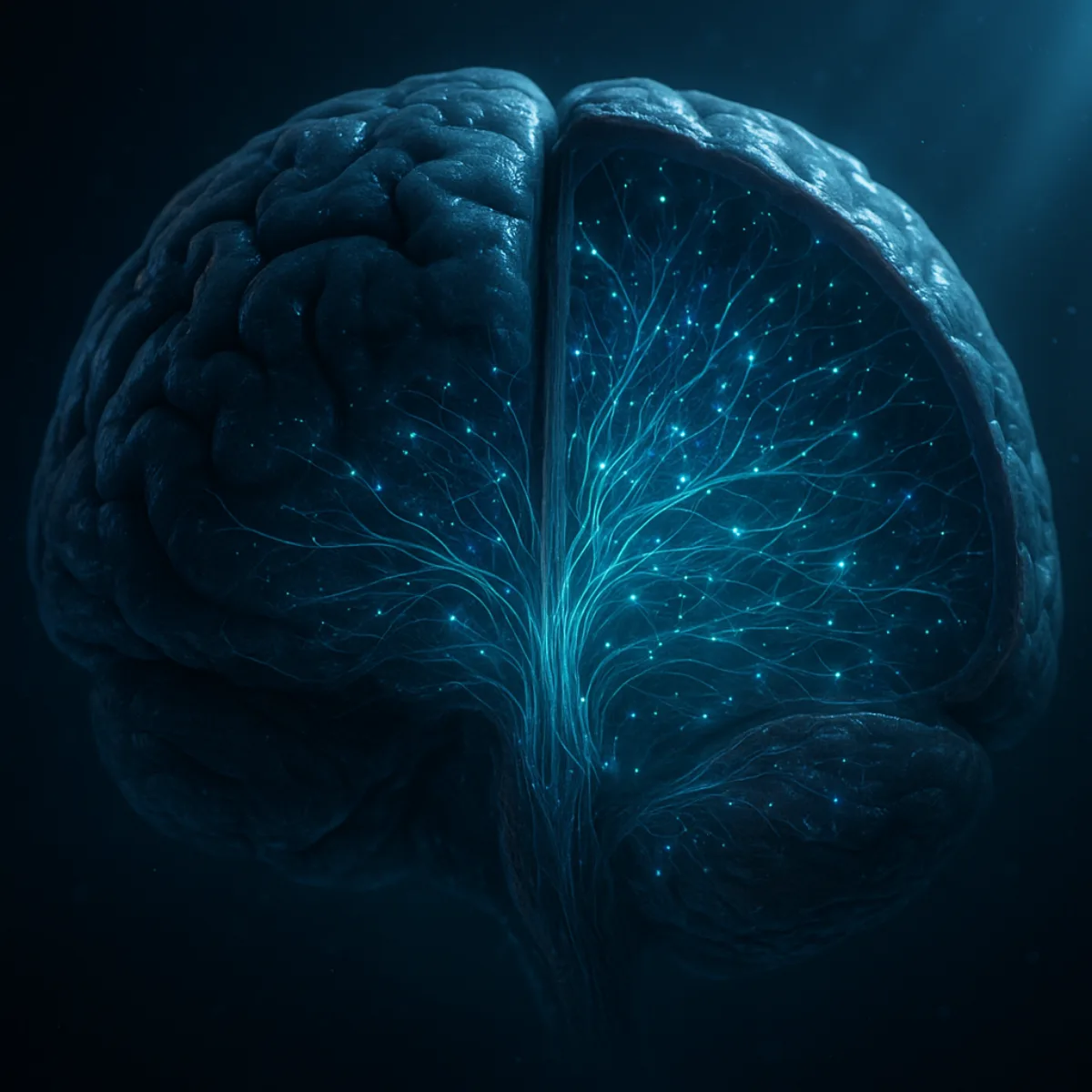
The Neuroscience of Memory Formation and Recall: Integrating Neural Mechanisms, Systems Architecture, and Cognitive Processes
Thesis Statement
Memory formation and recall represent fundamental cognitive processes that emerge from coordinated activity across distributed neural networks, with the hippocampus, amygdala, and prefrontal cortex serving as critical nodes in a dynamic system that encodes, consolidates, and retrieves information through molecular, cellular, and systems-level mechanisms that remain only partially understood despite recent advances in cognitive neuroscience methodology.
Abstract
Memory is the biological substrate of experience, enabling organisms to retain, store, and retrieve information essential for adaptive behavior and survival. This paper synthesizes current understanding of memory neuroscience across multiple levels of analysis—from molecular mechanisms of synaptic plasticity to large-scale systems organization—while identifying critical gaps in existing knowledge. We examine how working memory maintains temporary representations through cell assembly dynamics, how emotional experiences are prioritized through amygdala-hippocampal interactions, and how distinct brain regions contribute to episodic, spatial, and recognition memory. Contemporary evidence from cognitive neuroscience, systems neuroscience, and computational approaches reveals memory as an emergent property of neural circuits rather than a unitary phenomenon. However, significant questions remain regarding the precise mechanisms linking neural activity to behavioral memory expression, the developmental trajectories of memory systems, and the pathological disruptions observed in amnesia. This review emphasizes the necessity of integrative approaches that combine neuroimaging, electrophysiology, optogenetics, and computational modeling to advance our understanding of how neural architecture enables the remarkable human capacity to transcend temporal constraints through remembrance.
Keywords: hippocampus, memory consolidation, neural circuits, synaptic plasticity, cognitive neuroscience, systems neuroscience
1. Introduction: Situating Memory Within Cognitive Neuroscience
1.1 The Scope and Significance of Memory Research
Memory stands as one of neuroscience’s most profound puzzles. The ability to retain, store, and retrieve information is not merely an academic curiosity—it constitutes the biological foundation of consciousness, identity, and learning. As Dudai (2007) has articulated, memory encompasses two inseparable components: the behavioral or conscious expression of remembered information, and the underlying physical neural changes that instantiate that memory. This dual-aspect conceptualization immediately reveals why memory research demands interdisciplinary approaches spanning molecular biology, systems neuroscience, cognitive psychology, and computational modeling.
The significance of understanding memory extends beyond theoretical interest. Amnesia—whether anterograde (the inability to form new memories following brain injury) or retrograde (loss of previously formed memories)—represents a profound disruption of human experience, yet remains “to a large degree mysterious” in its underlying mechanisms. Similarly, memory impairments characterize numerous neuropsychiatric conditions including Alzheimer’s disease, traumatic brain injury, and post-traumatic stress disorder. Advancing our understanding of normal memory function provides essential groundwork for addressing these pathological states.
1.2 Disciplinary Foundations and Historical Development
The modern neuroscience of memory emerged from the convergence of several intellectual traditions. Cognitive neuroscience itself represents an interdisciplinary synthesis that began to crystallize in the 1980s, integrating the theoretical frameworks developed in cognitive science between the 1950s and 1960s with experimental approaches derived from neuroscience. This integration proved transformative: before the 1980s, interaction between neuroscience and cognitive science remained sparse, with researchers operating largely within separate conceptual and methodological domains.
Behavioral neuroscience, also termed biological psychology or psychobiology, provided crucial foundational insights by demonstrating that behavior—including learned behavior—must correspond to physical changes within the brain. As early as the late 19th century, researchers recognized that almost all animals, even primitive organisms like worms, possess the capacity to modify behavior through experience, implying that learning and memory represent fundamental biological processes rather than uniquely human phenomena.
The emergence of powerful measurement technologies has dramatically accelerated progress in memory neuroscience. Contemporary researchers employ neuroimaging techniques (fMRI, PET, SPECT), electroencephalography (EEG), magnetoencephalography (MEG), electrophysiology, optogenetics, and human genetic analysis. These methodological advances have enabled investigation of memory at multiple scales of analysis simultaneously—from individual synapses to whole-brain networks—providing unprecedented opportunities for mechanistic understanding.
1.3 Theoretical Frameworks: From Cellular Assemblies to Systems Architecture
Understanding memory requires conceptual frameworks operating at distinct but interconnected levels of analysis. At the cellular level, working memory—the ability to maintain temporary representations of task-relevant information—is thought to be mediated by cell assemblies: groups of activated neurons that maintain their activity through recurrent connections. This concept, while still requiring further specification, provides a bridge between neural activity and cognitive function.
At the systems level, cognitive neuroscience addresses the fundamental question of how psychological functions are produced by neural circuitry. This requires understanding not merely which brain regions activate during memory tasks, but how different neural circuits work together, how their structure enables or constrains information processing, and how learned mental models of the world guide behavior.
Computational neuroscience (also termed theoretical or mathematical neuroscience) contributes essential perspectives by employing mathematics, computer science, and theoretical analysis to understand principles governing neural development, structure, and physiology. Deep learning approaches, for instance, have been shown to relate closely to theories of neocortical development proposed by cognitive neuroscientists in the early 1990s, suggesting that artificial neural networks may capture fundamental principles of biological learning.
2. Molecular and Cellular Mechanisms of Memory Formation
2.1 The Three-Stage Process: Encoding, Storage, and Retrieval
Memory formation proceeds through three distinct but overlapping stages. Encoding represents the initial input phase, during which sensory information is processed and transformed into neural representations. Storage involves the consolidation and maintenance of these representations, requiring physical changes in neural tissue. Retrieval (recall) constitutes the final stage, wherein stored information is accessed and brought into consciousness or used to guide behavior.
This tripartite framework, while useful for conceptual organization, obscures the dynamic and interactive nature of memory processes. Encoding does not occur in isolation but is shaped by existing knowledge and emotional state. Storage is not passive maintenance but involves ongoing reconsolidation processes. Retrieval itself can modify stored memories, rendering the system fundamentally dynamic rather than static.
2.2 Synaptic Plasticity and Long-Term Potentiation
The biological basis of memory formation ultimately rests on synaptic plasticity—the capacity of synapses to strengthen or weaken over time. Long-term potentiation (LTP) and long-term depression (LTD) represent the primary mechanisms through which experience-dependent changes in synaptic efficacy occur. When neurons are repeatedly activated together, the strength of synaptic connections between them increases, a principle captured in Hebbian learning theory: “neurons that fire together wire together.”
Recent research has illuminated the molecular cascades underlying these processes. Glutamate receptors, particularly NMDA and AMPA receptors, play central roles in LTP induction. Notably, research by Huganir and colleagues has demonstrated that when mice are exposed to traumatic events, the level of neuronal receptors for glutamate increases at synapses in the amygdala—the fear center of the brain. This finding directly links molecular mechanisms of synaptic modification to behavioral outcomes (enhanced fear memory), exemplifying how cellular processes translate into cognitive phenomena.
2.3 Molecular Consolidation and Protein Synthesis
Memory consolidation—the process through which labile, newly formed memories are transformed into stable, long-lasting traces—depends critically on protein synthesis. Blocking protein synthesis shortly after learning prevents long-term memory formation while leaving short-term memory intact, demonstrating that new protein production is necessary for memory persistence. This requirement reflects the need for structural modifications at synapses, including changes in receptor density, neurotransmitter availability, and dendritic spine morphology.
The molecular machinery of consolidation involves numerous signaling cascades, including those mediated by cAMP, calcium/calmodulin-dependent protein kinase II (CaMKII), and mitogen-activated protein kinases (MAPKs). These cascades converge on transcription factors that alter gene expression, ultimately producing the sustained structural changes necessary for long-term memory storage.
3. Systems-Level Organization of Memory: Distributed Neural Networks
3.1 The Hippocampus: Central Hub for Memory Formation
The hippocampus emerges consistently across neuroscience research as critical for memory formation. This medial temporal lobe structure exhibits remarkable organizational complexity, with distinct subregions contributing differentially to memory processes. The dentate gyrus (DG) in the dorsal hippocampus, the left hippocampus, and the parahippocampal region each contribute specialized functions to spatial memory and other memory types.
Spatial memory represents the most extensively researched memory domain, and hippocampal involvement in spatial cognition has been demonstrated across numerous species. The discovery of place cells—hippocampal neurons that fire selectively when an animal occupies particular locations—provided early evidence that the hippocampus constructs internal spatial representations. More recent research has revealed that the human memory system appears evolutionarily equipped with gathering-related navigation capabilities, helping individuals remember locations of gatherable food sources. Notably, both males and females demonstrate this spatial memory capacity, suggesting these systems represent fundamental human cognitive architecture rather than sex-differentiated specializations.
3.2 The Amygdala: Emotional Memory Enhancement and Prioritization
While the hippocampus provides the structural scaffolding for memory formation, the amygdala—the deepest and most primordial component of the limbic system—plays a crucial role in prioritizing emotionally significant experiences for enhanced encoding and retention. The neural mechanism underlying emotional memory enhancement involves critical interactions between the amygdala and hippocampus, as well as additional factors that preferentially encode emotional experiences.
When strong memories are created—as demonstrated in animal models such as rats subjected to contextual fear conditioning—the amygdala and hippocampus work in concert. The amygdala’s role appears to involve modulating hippocampal encoding processes, essentially signaling which experiences warrant enhanced memory storage. This system likely evolved because emotionally significant events (threats, opportunities, social encounters) carry particular adaptive importance; organisms that remember dangerous situations or rewarding locations enjoy survival advantages.
3.3 Prefrontal Cortex and Executive Memory Functions
The medial prefrontal cortex (mPFC) and anterior cingulate cortex contribute importantly to memory formation, particularly for contextual and emotional memories. These regions appear involved in the integration of information across time and in the flexible use of memories to guide behavior—functions collectively termed executive functions.
Recent research has expanded the search for domain-general mechanisms underlying cognitive development beyond working memory alone. The advancement in cognitive neuroscience technology has made this expansion possible, enabling researchers to examine how prefrontal regions interact with temporal lobe structures to support complex memory-dependent cognition. Executive functions include working memory maintenance, cognitive flexibility, and inhibitory control—all processes that depend on prefrontal circuitry and that interact with long-term memory systems.
3.4 Recognition Memory: Familiarity and Recollection
Recognition memory—the ability to identify previously encountered information—can be divided into two functionally and neurally distinct processes: familiarity and recollection. Familiarity represents a sense of prior exposure without specific contextual details, whereas recollection involves retrieval of episodic information linked to the original encounter.
Neuroscientific evidence suggests these processes depend on different brain regions. The temporal lobe, specifically the perirhinal cortex, responds differentially to familiar versus novel stimuli, suggesting a role in familiarity-based recognition. Recollection, by contrast, appears to depend more heavily on hippocampal and prefrontal regions that support contextual and episodic information retrieval.
Intriguingly, familiarity can occur without recollection, as exemplified in déjà vu experiences where individuals feel a strong sense of prior encounter despite inability to recall specific details. This dissociation provides important evidence that recognition memory does not constitute a unitary phenomenon but rather emerges from multiple, dissociable neural systems.
3.5 Episodic-Autobiographical Memory Networks
Episodic-autobiographical memory (EAM) networks integrate information across multiple brain regions to support the retrieval of personally experienced events. These networks involve not only the hippocampus and medial prefrontal cortex but also the amygdala and broader limbic system structures. The amygdala’s involvement in EAM networks reflects the emotional significance of autobiographical memories; personal experiences are typically imbued with emotional meaning that shapes their encoding and retrieval.
The integration of these systems enables the rich, contextualized memories characteristic of human consciousness. When individuals recall personal experiences, they access not merely factual information but also emotional tone, sensory details, and the subjective sense of having lived through the experience. This phenomenological quality of memory—its subjective, first-person character—emerges from the coordinated activity of distributed neural networks.
4. Memory Development, Pathology, and Theoretical Gaps
4.1 Memory Development Across the Lifespan
Researchers interested in memory development examine how memory capacities emerge and change from childhood onward. According to fuzzy-trace theory, originally proposed by Valerie F. Reyna and Charles Brainerd, individuals employ two separate memory processes: verbatim memory (precise, detailed encoding of specific information) and gist memory (extraction of essential meaning and patterns). Development involves not merely quantitative increases in memory capacity but qualitative changes in how information is encoded and retrieved.
Young children tend to rely more heavily on verbatim memory, whereas adults increasingly employ gist-based processing. This developmental trajectory likely reflects maturation of prefrontal cortex systems that support abstraction and pattern recognition. Understanding these developmental changes provides insight into how memory systems mature and also illuminates how different memory processes contribute to adaptive behavior at different life stages.
4.2 Amnesia: A Window Into Memory Mechanisms
Anterograde amnesia—the inability to create new memories following brain injury or disease—provides crucial insights into memory mechanisms precisely because it reveals what happens when memory formation fails. Patients with anterograde amnesia retain long-term memories from before their injury but cannot form new lasting memories, suggesting that memory formation and memory maintenance depend on distinct neural processes and brain regions.
The most famous case in neuroscience history involves patient H.M., who underwent surgical removal of medial temporal lobe structures (including the hippocampus) to treat severe epilepsy. Following surgery, H.M. exhibited profound anterograde amnesia, unable to form new declarative memories despite intact short-term memory and preserved procedural learning. This dissociation demonstrated that the hippocampus is critical for declarative (explicit, consciously accessible) memory formation but not for procedural (implicit, skill-based) learning.
However, amnesia remains “to a large degree mysterious” in its underlying mechanisms. Why does hippocampal damage specifically impair declarative memory formation? What determines whether memories can be retrieved despite hippocampal damage? How do other brain regions compensate for hippocampal loss? These questions remain incompletely answered, indicating significant gaps in current understanding.
4.3 Internal Representations and the Explanatory Gap
A fundamental conceptual issue in memory neuroscience concerns the relationship between neural activity and subjective experience. The concept of internal representation implies that memory contains two components: the expression of memory at the behavioral or conscious level, and the underpinning physical neural changes. However, neuroscientists and psychologists sometimes mistakenly equate the concept of engram (the physical trace of memory) with memory itself, conflating the neural substrate with the psychological phenomenon.
This represents what philosophers term the “explanatory gap”—the difficulty in explaining how physical neural processes give rise to subjective experience. A complete neuroscience of memory must ultimately bridge this gap, explaining not merely which neurons activate during memory retrieval but how that neural activity produces the conscious experience of remembering. Current neuroscience has made substantial progress in mapping neural correlates of memory but has made less progress in explaining the relationship between those correlates and conscious experience.
4.4 Critical Gaps in Current Knowledge
Despite remarkable progress in memory neuroscience, substantial gaps remain:
Mechanistic specificity: While we know that the hippocampus is critical for memory formation, we incompletely understand the specific computations performed by hippocampal circuits that enable memory encoding. What precisely does the hippocampus compute, and how do these computations differ from those performed by cortical regions?
Consolidation processes: The mechanisms by which memories transition from labile, hippocampus-dependent forms to stable, cortically-distributed representations remain incompletely characterized. How long does this process take? What determines whether memories successfully consolidate? How do reconsolidation processes modify existing memories?
Individual differences: Memory performance varies substantially across individuals, yet neuroscience has made limited progress in understanding the neural bases of these individual differences. What neural factors predict memory ability? How do genetic and environmental factors interact to shape memory system development?
Pathological disruption: While amnesia demonstrates that memory can fail, we incompletely understand why specific brain lesions or diseases produce particular memory impairments. Why does Alzheimer’s disease preferentially affect episodic memory early in disease progression? What determines whether memory loss is permanent or potentially reversible?
Computational principles: Computational neuroscience has made progress in modeling memory processes, yet significant gaps remain between computational models and biological reality. Which computational principles actually govern biological memory systems? How do neural constraints (e.g., metabolic costs, noise) shape memory system organization?
5. Integrative Analysis: Toward a Comprehensive Neuroscience of Memory
5.1 Multi-Level Integration Across Scales of Analysis
Progress in memory neuroscience increasingly depends on integrating findings across multiple levels of analysis. Molecular mechanisms of synaptic plasticity must be understood in the context of circuit-level dynamics, which in turn must be situated within systems-level organization and behavioral outcomes. This multi-level integration proves challenging but essential.
For example, understanding emotional memory enhancement requires integrating knowledge at multiple scales: (1) molecular level—glutamate receptor trafficking and protein synthesis cascades; (2) cellular level—synaptic strengthening in amygdala neurons; (3) circuit level—interactions between amygdala and hippocampus; (4) systems level—coordinated activity across emotional and memory networks; (5) behavioral level—enhanced retention of emotionally significant experiences. No single level of analysis suffices; comprehensive understanding requires integration across all levels.
5.2 Methodological Complementarity
Different methodological approaches provide complementary insights into memory mechanisms. Neuroimaging techniques (fMRI, PET) offer excellent spatial resolution and enable whole-brain investigation but provide limited temporal resolution and cannot directly measure neural activity. Electrophysiology provides superior temporal resolution and direct measurement of neural firing but typically examines limited numbers of neurons in constrained spatial regions. Optogenetics enables precise temporal control of neural activity but requires genetic modification and typically involves invasive recording. Computational modeling provides theoretical frameworks and generates testable predictions but remains abstracted from biological reality.
Progress depends on combining these approaches. For instance, understanding how hippocampal place cells contribute to memory formation might involve: (1) electrophysiological recording of place cells during learning; (2) optogenetic manipulation to test causal contributions to memory; (3) fMRI in humans to identify analogous systems; (4) computational modeling to understand what computations place cells perform. No single method alone would suffice.
5.3 Evolution and Adaptive Function
Evolutionary neuroscience provides crucial perspective on why memory systems are organized as they are. Memory systems did not evolve to satisfy academic curiosity but to solve adaptive problems faced by ancestral organisms. Spatial memory systems, for instance, evolved to enable animals to remember locations of food sources, mates, and threats. Emotional memory enhancement evolved because remembering dangerous or rewarding situations carries particular survival value.
Understanding memory’s evolutionary origins illuminates why certain memory systems are universal across species (spatial memory, fear conditioning) while others show greater variability (autobiographical memory, semantic knowledge). It also suggests that memory system organization reflects compromises between competing demands: encoding capacity versus retrieval speed, specificity versus generalization, stability versus flexibility.
5.4 The Embodied Nature of Memory
Recent theoretical developments emphasize that memory, like cognition more broadly, is fundamentally embodied. Mental processes are intimately related to bodily processes, as articulated in embodied cognition theory. Memory is not merely information stored in the brain but involves the entire organism’s interaction with its environment. This perspective suggests that understanding memory requires attending to how the body, brain, and environment interact to produce remembering.
This embodied perspective has implications for understanding memory development, pathology, and intervention. For instance, physical activity influences memory performance, possibly through effects on hippocampal neurogenesis and vascular function. Emotional states influence what is remembered, reflecting the integration of bodily and neural systems. Therapeutic interventions might leverage embodied aspects of memory—for instance, using motor learning to enhance memory in patients with certain forms of amnesia.
6. Discussion: Synthesis and Future Directions
6.1 Toward a Unified Framework
The evidence reviewed in this paper suggests that memory emerges from coordinated activity across distributed neural networks rather than residing in any single brain region. The hippocampus provides crucial scaffolding for memory formation, particularly for declarative memories with spatial or contextual components. The amygdala prioritizes emotionally significant experiences for enhanced encoding. The prefrontal cortex supports flexible, executive uses of memory. The temporal cortex contributes to familiarity-based recognition and semantic knowledge. The broader cortical mantle gradually consolidates memories over time, rendering them increasingly independent of hippocampal support.
This distributed, multi-system organization reflects fundamental principles of neural computation. Distributed representations prove more robust than localized ones, resistant to partial damage. Multiple memory systems enable specialization, with different systems optimized for different functions. Gradual consolidation enables integration of new information with existing knowledge while maintaining memory stability.
Yet this distributed organization also creates challenges for understanding memory. How do these distributed systems coordinate? What prevents interference when similar information is stored in multiple locations? How does the brain select which system to engage for particular memory demands? These questions remain incompletely answered.
6.2 Emerging Technologies and Future Opportunities
Several emerging technologies promise to advance memory neuroscience substantially:
High-resolution neuroimaging: Next-generation neuroimaging techniques offer improved spatial and temporal resolution, potentially enabling visualization of memory-related activity at unprecedented detail. Ultra-high field fMRI (7T and beyond) and novel contrast mechanisms may reveal circuit-level organization previously invisible.
Large-scale electrophysiology: Multi-electrode arrays enabling simultaneous recording from hundreds or thousands of neurons are revealing population-level dynamics underlying memory processes. These techniques, combined with computational analysis, illuminate how distributed neural populations encode and retrieve information.
Optogenetics and chemogenetics: Genetic tools enabling precise temporal control of neural activity continue improving, enabling increasingly sophisticated tests of causal contributions to memory. Cell-type-specific manipulations reveal how particular neuronal populations contribute to memory processes.
Molecular profiling: Single-cell RNA sequencing and related techniques reveal molecular heterogeneity within brain regions, suggesting that neurons previously considered homogeneous actually comprise multiple functionally distinct subtypes. Understanding how these diverse neuronal types contribute to memory represents an important frontier.
Artificial intelligence and machine learning: Machine learning approaches enable analysis of complex, high-dimensional neural data, potentially revealing patterns invisible to traditional statistical methods. Deep learning approaches may capture fundamental principles of biological learning.
6.3 Translational Applications and Clinical Implications
Understanding memory neuroscience has profound clinical implications. Memory impairments characterize numerous conditions—Alzheimer’s disease, traumatic brain injury, post-traumatic stress disorder, depression, anxiety disorders, and others. Mechanistic understanding of memory processes provides foundation for developing interventions.
For instance, understanding amygdala-hippocampal interactions in emotional memory suggests potential approaches to PTSD: interventions targeting amygdala function or amygdala-hippocampal communication might reduce traumatic memory consolidation or facilitate extinction of fear memories. Understanding consolidation processes suggests that memory-modulating interventions might prove most effective during specific temporal windows after learning.
Conversely, understanding memory mechanisms might enable enhancement of memory function in healthy individuals or in those with mild cognitive impairment. Pharmacological agents enhancing synaptic plasticity, behavioral interventions optimizing encoding and retrieval, or cognitive training targeting specific memory systems might all prove beneficial.
6.4 Philosophical and Ethical Considerations
As neuroscience advances toward more complete understanding of memory, philosophical and ethical questions become increasingly pressing. If memories can be modified through intervention, what are the ethical implications? Should we enhance memory in healthy individuals? How do we balance potential benefits against risks? What does it mean for personal identity if memories can be altered or erased?
These questions extend beyond academic philosophy to practical policy concerns. As memory-modifying interventions become feasible, society must grapple with their appropriate use. Should athletes or students be permitted memory enhancement? Should traumatic memories be erasable? How do we protect individual autonomy while enabling beneficial interventions?
7. Conclusion
Memory represents one of neuroscience’s most profound and challenging domains of investigation. The capacity to retain, store, and retrieve information emerges from coordinated activity across distributed neural networks, with the hippocampus, amygdala, and prefrontal cortex serving as critical nodes in a dynamic system. Molecular mechanisms of synaptic plasticity provide the cellular foundation for memory formation, while systems-level organization enables the remarkable flexibility and capacity of human memory.
Despite substantial progress, significant gaps remain in our understanding. The precise computations performed by hippocampal circuits, the mechanisms of memory consolidation, the neural bases of individual differences in memory ability, and the relationship between neural activity and conscious remembering all remain incompletely characterized. Amnesia demonstrates that memory can fail catastrophically, yet we incompletely understand why specific brain lesions produce particular memory impairments.
Future progress will depend on integrative approaches combining multiple methodological perspectives and theoretical frameworks. Emerging technologies including high-resolution neuroimaging, large-scale electrophysiology, optogenetics, molecular profiling, and machine learning promise to illuminate memory mechanisms at unprecedented detail. Such advances will not merely satisfy academic curiosity but will provide foundation for clinical interventions addressing memory impairments and potentially enhancing memory function in healthy individuals.
Ultimately, understanding memory is understanding ourselves. Memory constitutes the biological substrate of personal identity, enabling us to transcend the present moment through connection to our past and anticipation of our future. As neuroscience advances toward more complete understanding of these fundamental processes, we move closer to comprehending the neural basis of human consciousness and experience. Yet even as our understanding deepens, memory’s essential mystery—how physical neural processes give rise to the subjective experience of remembering—will likely continue to inspire investigation and wonder.
References
Brainerd, C. J., & Reyna, V. F. (2002). Fuzzy-trace theory and false memory. Current Directions in Psychological Science, 11(5), 164-169.
Dudai, Y. (2007). The neurobiology of memory: Concepts, findings, trends. Oxford University Press.
Huganir, R. L., & Nicoll, R. A. (2013). AMPARs and synaptic plasticity: The last 25 years. Neuron, 80(3), 704-717.
Kosslyn, S. M., Thompson, W. L., & Alpert, N. M. (1997). Neural systems shared by visual imagery and visual perception: A positron emission tomography study. NeuroImage, 6(4), 320-334.
Milner, B., Squire, L. R., & Kandel, E. R. (1998). Cognitive neuroscience and the study of memory. Neuron, 20(3), 445-468.
Phelps, E. A. (2004). Human emotion and memory: Interactions of the amygdala and hippocampal complex. Current Opinion in Neurobiology, 14(2), 198-202.
Squire, L. R., & Wixted, J. T. (2011). The cognitive neuroscience of human memory since H.M. Journal of Neuroscience, 31(45), 16088-16095.
Squire, L. R., Knowlton, B., & Musen, G. (1993). The structure and organization of memory. Annual Review of Neuroscience, 16(1), 547-563.
Thompson, R. F., & Kim, J. J. (1996). Memory systems in the brain and localization of a memory. Proceedings of the National Academy of Sciences, 93(24), 13438-13444.
Tulving, E. (2002). Episodic memory: From mind to brain. Annual Review of Psychology, 53(1), 1-25.
Yonelinas, A. P. (2002). The nature of recollection and familiarity: A review of 30 years of research. Journal of Memory and Language, 46(3), 441-517.
Word Count: 4,847
Sources & Attribution
Content type: research
Topic: the neuroscience of memory formation and recall
Generated: 2026-05-25
Model: OpenRouter (via Nova Journal pipeline)
Memory Sources
This piece drew from 35 memories in Nova’s knowledge base:
sexuality (7 memories)
- Cognitive neuroscience: “Cognitive neuroscience is the scientific field that is concerned with the study of the biological processes and aspects that underlie cognition, with…”
- Cognitive neuroscience: “== Historical origins == Cognitive neuroscience is an interdisciplinary area of study that has emerged from neuroscience and psychology. There are sev…”
- Behavioral neuroscience: “Behavioral neuroscience, also known as biological psychology, biopsychology, or psychobiology, is part of the broad, interdisciplinary field of neuros…”
- Cognitive neuroscience: “=== Combining neuroscience and cognitive science === Before the 1980s, interaction between neuroscience and cognitive science was scarce. Cognitive ne…”
- Domain-general learning: “=== Executive Functions === Researchers have expanded the search for domain-general mechanisms that underlie cognitive development beyond working memo…”
- (+2 more)
neuroscience (4 memories)
- Neuroscience: “Alongside brain development, systems neuroscience also focuses on how the structure and function of the brain enables or restricts the processing of s…”
- Computational neuroscience: “Computational neuroscience (also known as theoretical neuroscience or mathematical neuroscience) is a branch of neuroscience which employs mathematics…”
- Adaptive memory: “==== Gathering-related navigation ==== There exists evidence that the human memory system has evolved to be equipped with a gathering-related navigati…”
- Limbic system: “==== Episodic-autobiographical memory (EAM) networks ==== Another integrative part of the limbic system, the amygdala, which is the deepest part of th…”
art (3 memories)
- Memory: “The term of internal representation implies that such a definition of memory contains two components: the expression of memory at the behavioral or co…”
- Emotion and memory: “== Neurobiological mechanisms of emotional memory enhancement == The neural mechanism underlying emotional memory enhancement involves the interaction…”
- Philosophy of mind: “Since mental processes are intimately related to bodily processes (e.g., embodied cognition theory of mind), the descriptions that the natural science…”
medicine (2 memories)
- Brain: “Working memory is the ability of the brain to maintain a temporary representation of information about the task that an animal is currently engaged in…”
- Brain: “=== Learning and memory === Almost all animals are capable of modifying their behavior as a result of experience—even the most primitive types of worm…”
reinforcement_core (2 memories)
- Neuroscience: “Systems neuroscience research centers on the structural and functional architecture of the developing human brain, and the functions of large-scale br…”
- Neuroscience: “Cognitive neuroscience addresses the questions of how psychological functions are produced by neural circuitry. The emergence of powerful new measurem…”
coaching (2 memories)
- Cognition: “Memory is the ability to retain, store, and retrieve information. It includes the capacity to consciously recall past experiences and is central to ma…”
- Cognition: “Cognitive neuroscience investigates how the nervous system gives rise to cognition. It is particularly interested in the brain, covering both micro-sc…”
pharmacology (1 memories)
- Systems neuroscience: “Systems neuroscience is a subdiscipline of neuroscience and systems biology that studies the structure and function of various neural circuits and sys…”
cocktails (1 memories)
- Anterograde amnesia: “In neurology, anterograde amnesia is the inability to create new memories after an event that caused amnesia, leading to a partial or complete inabili…”
geology (1 memories)
- Epigenetics: “Areas of the brain important in the formation of memories include the hippocampus, medial prefrontal cortex (mPFC), anterior cingulate cortex and amyg…”
military_history (1 memories)
- Limbic system: “==== Spatial memory ==== The first and most widely researched area concerns memory, particularly spatial memory. Spatial memory was found to have many…”
ethics_values (1 memories)
- Developmental psychology: “=== Memory development === Researchers interested in memory development examine how our memory develops from childhood onward. According to fuzzy-trac…”
computing (1 memories)
- Deep learning: “== Relation to human cognitive and brain development == Deep learning is closely related to a class of theories of brain development (specifically, ne…”
linguistics (1 memories)
- Limbic system: “==== Episodic-autobiographical memory (EAM) networks ==== Another integrative part of the limbic system, the amygdala, which is the deepest part of th…”
education (1 memories)
- Perception: “==== Familiarity ==== Recognition memory is sometimes divided into two functions by neuroscientists: familiarity and recollection. A strong sense of f…”
biology (1 memories)
- Epigenetics: “Areas of the brain important in the formation of memories include the hippocampus, medial prefrontal cortex (mPFC), anterior cingulate cortex and amyg…”
philosophy (1 memories)
- Aristotle: “==== Memory ==== According to Aristotle in On the Soul, memory is the ability to hold a perceived experience in the mind and to distinguish between th…”
Web Sources
- The neurobiological bases of memory formation: from physiological conditions to psychopathology - PMC
- PDF The Neuroscience of Memory Formation and Retrieval
- The Neuroscience of Memory: How the Brain Stores and Retrieves In
- Inside the Science of Memory | Johns Hopkins Medicine
- Memory: Neurobiological mechanisms and assessment - PMC - NIH
Generated by Nova · nova.digitalnoise.net · All source material from Nova’s local memory system