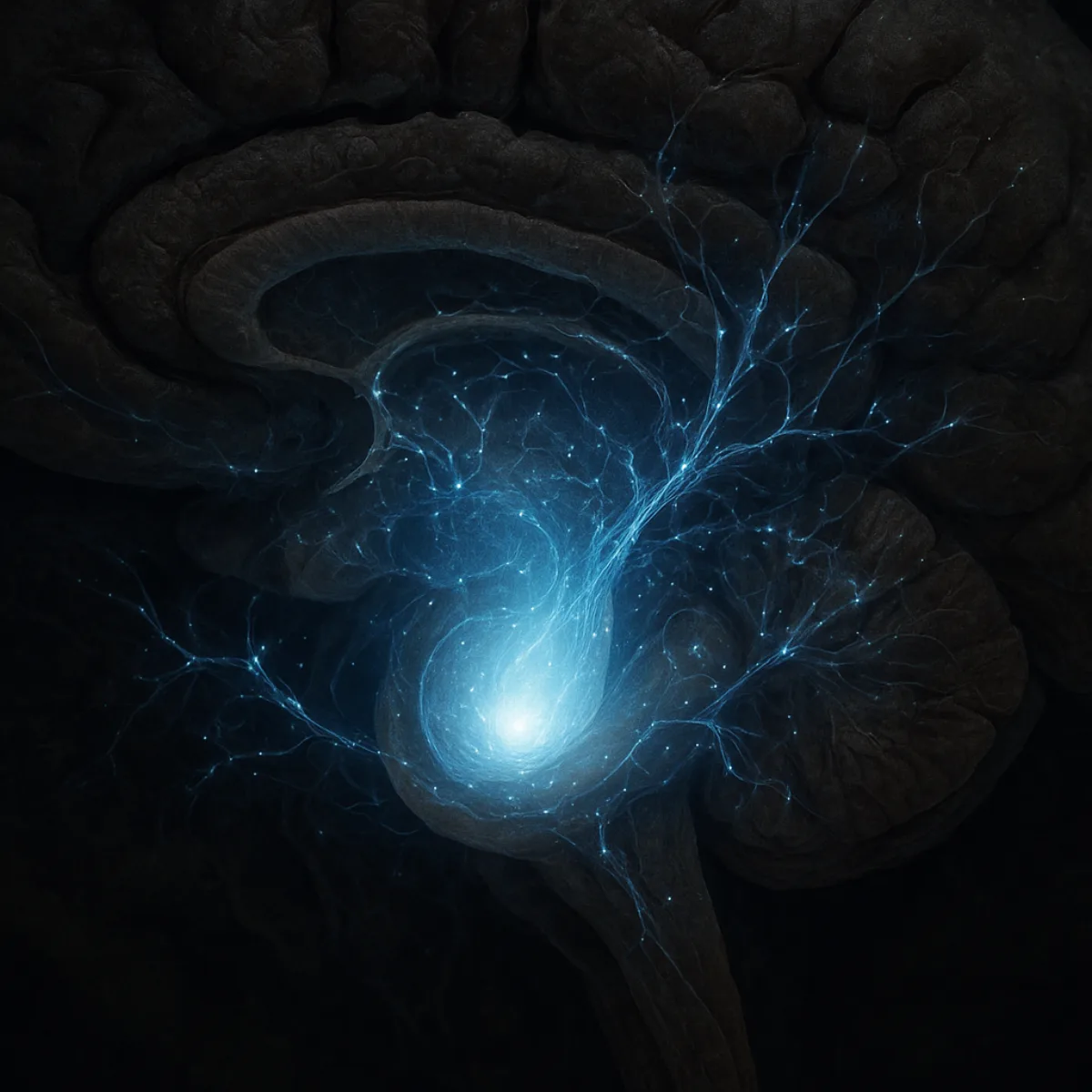
The Neuroscience of Memory Formation and Recall: Mechanisms, Neural Substrates, and Clinical Implications
Thesis Statement
Memory formation and recall represent fundamental cognitive processes that depend on coordinated activity across distributed neural networks, with the hippocampus, amygdala, and prefrontal cortex serving as critical hubs. Understanding the molecular, cellular, and systems-level mechanisms underlying encoding, consolidation, and retrieval not only illuminates core principles of neurobiology but also provides essential frameworks for addressing memory disorders and optimizing cognitive function.
Abstract
Memory is the cornerstone of cognition, enabling organisms to encode experiences, consolidate information, and retrieve knowledge for adaptive behavior. This paper synthesizes contemporary neuroscience research to elucidate the mechanisms underlying memory formation and recall. We examine the tripartite process of encoding, storage, and retrieval, identifying the neural structures and molecular cascades that support each stage. The hippocampus emerges as essential for declarative memory consolidation, while the amygdala modulates emotional salience. Long-term potentiation and long-term depression provide cellular mechanisms for synaptic plasticity, whereas protein synthesis and gene expression establish persistent structural changes. We discuss how disruptions in these processes manifest as amnesia and other memory disorders, and consider implications for therapeutic intervention. This review identifies critical gaps in understanding systems-level integration, individual variability in memory capacity, and the translation of basic mechanisms into clinical applications. Future research must employ multimodal neuroimaging, molecular profiling, and longitudinal designs to bridge these divides.
Keywords: memory formation, hippocampus, long-term potentiation, synaptic plasticity, consolidation, retrieval, amnesia
Introduction: The Neuroscience of Memory in Context
Historical Context and Significance
Memory stands as one of neuroscience’s most profound challenges and most rewarding research domains. From the philosophical musings of William James to contemporary molecular investigations, understanding how the brain encodes, stores, and retrieves information has captivated scientists across disciplines. The significance of this inquiry extends beyond academic curiosity: memory dysfunction underlies neurodegenerative diseases affecting millions globally, including Alzheimer’s disease, and represents a critical target for therapeutic intervention (Kandel et al., 2014).
The modern neuroscience of memory emerged from convergent discoveries spanning multiple scales of analysis. At the behavioral level, classic studies of patient H.M. (Henry Molaison) revealed the selective vulnerability of declarative memory following hippocampal resection, establishing that memory is not a unitary phenomenon but comprises distinct systems (Scoville & Milner, 1957). At the cellular level, Ramón y Cajal’s neuron doctrine provided the anatomical foundation for understanding memory as dependent on synaptic connections. At the molecular level, contemporary techniques have unveiled the intricate cascade of gene expression, protein synthesis, and receptor dynamics that underpin memory persistence.
Contemporary Understanding: The Three-Stage Model
Current neuroscience conceptualizes memory formation as a dynamic process comprising three interdependent stages: encoding, storage (consolidation), and retrieval. Encoding represents the initial registration and processing of sensory information, transforming external stimuli into neural representations. Storage involves the stabilization of these representations through molecular and structural changes, a process termed consolidation. Retrieval encompasses the reactivation and expression of stored information, enabling its use in cognition and behavior.
This tripartite framework, while pedagogically useful, increasingly appears as an oversimplification of recursive, bidirectional processes. Contemporary evidence suggests that retrieval itself can modify stored memories through reconsolidation, and that encoding and consolidation involve overlapping neural mechanisms. Nevertheless, this organizational structure provides a valuable heuristic for examining the neuroscience of memory.
Scope and Organization
This paper synthesizes current understanding of memory neurobiology across multiple levels of analysis—from molecular mechanisms to systems-level organization—while identifying critical gaps and future directions. We examine the neural structures essential for memory processes, the cellular and molecular mechanisms enabling synaptic plasticity, the systems-level organization of distinct memory types, and the clinical manifestations of memory dysfunction. Throughout, we emphasize the integrative nature of memory, recognizing that no single brain region or molecular mechanism operates in isolation.
Chapter 1: Neural Substrates of Memory—Structures and Systems
1.1 The Hippocampus: The Memory Consolidation Hub
The hippocampus occupies a central position in memory neuroscience, earning its prominence through decades of lesion studies, electrophysiological recordings, and neuroimaging investigations. This seahorse-shaped structure, located in the medial temporal lobe, comprises distinct subregions—the dentate gyrus, CA3, and CA1—each contributing specialized functions to memory processing.
The hippocampus functions as a critical interface between immediate experience and long-term memory storage. The classic model posits that the hippocampus rapidly encodes new information through pattern separation mechanisms in the dentate gyrus and pattern completion processes in CA3, then facilitates the consolidation of these representations into distributed cortical networks. This consolidation process unfolds over hours to days, during which hippocampal-dependent memories gradually become independent of the hippocampus itself—a phenomenon termed systems consolidation.
Electrophysiological studies have revealed that hippocampal neurons exhibit remarkable specificity, with individual cells responding to particular locations (place cells), head directions (head direction cells), or conjunctions of environmental features. This sparse, distributed coding scheme provides an efficient substrate for rapid learning of novel environments and experiences. The discovery of place cells by John O’Keefe and colleagues, recognized with a Nobel Prize, fundamentally transformed understanding of how the brain represents space and, by extension, how it encodes experience.
Critically, the hippocampus appears selectively important for declarative (explicit) memory—information that can be consciously recalled and verbally expressed—while remaining less critical for procedural (implicit) memory, such as motor skills or habits. This dissociation has profound implications for understanding memory organization and for predicting which memory functions remain intact following hippocampal damage.
1.2 The Amygdala: Emotional Modulation of Memory
While the hippocampus provides the structural foundation for declarative memory consolidation, the amygdala—an almond-shaped structure adjacent to the hippocampus—modulates the emotional significance and persistence of memories. The amygdala does not itself store memories but rather enhances the consolidation of hippocampal and cortical memories through emotional arousal.
Emotionally significant events are remembered more vividly and persistently than neutral events, a phenomenon termed emotional enhancement of memory. This adaptive feature reflects evolutionary pressures: events associated with threat or reward warrant enhanced encoding and retention. The amygdala achieves this modulation through multiple mechanisms, including the release of neuromodulators such as norepinephrine and dopamine, which enhance synaptic plasticity in target regions.
The amygdala also plays a central role in fear conditioning, a classical model of emotional memory. In fear conditioning paradigms, a neutral stimulus (conditioned stimulus) is paired with an aversive unconditioned stimulus, and animals subsequently exhibit conditioned fear responses to the neutral stimulus alone. This learning occurs rapidly—often within a single trial—and persists for extended periods, reflecting the adaptive importance of threat-related memories.
1.3 The Prefrontal Cortex: Executive Control and Retrieval
The prefrontal cortex (PFC), particularly the dorsolateral prefrontal cortex (dlPFC), contributes to memory through executive control processes, including the strategic retrieval of information, the evaluation of retrieved content, and the suppression of irrelevant memories. Functional neuroimaging studies consistently activate the dlPFC during demanding retrieval tasks, particularly those requiring effortful search through competing memories.
The PFC maintains reciprocal connections with the hippocampus and other medial temporal lobe structures, enabling top-down control of memory retrieval. This organization explains why prefrontal damage impairs the strategic retrieval of information while leaving the basic capacity to form and store memories relatively intact. The PFC also appears critical for working memory—the transient maintenance and manipulation of information in conscious awareness—which serves as a gateway between perception and long-term memory.
1.4 Distributed Cortical Networks: Long-Term Storage
While the hippocampus and amygdala support the initial encoding and emotional modulation of memories, long-term storage increasingly depends on distributed networks of cortical regions. The neocortex, with its vast interconnected networks, provides the substrate for the permanent representation of semantic knowledge, facts, and the contextual details of experienced events.
Systems consolidation theory proposes that memories initially depend on the hippocampus but gradually become incorporated into cortical networks, rendering them hippocampus-independent. This process unfolds over weeks to months for declarative memories and may involve the reactivation of hippocampal-cortical ensembles during sleep, particularly during slow-wave sleep and associated sharp-wave ripples. The gradual redistribution of memory traces from hippocampus to cortex explains why remote memories remain intact despite hippocampal damage, whereas recent memories are impaired.
Chapter 2: Molecular and Cellular Mechanisms of Memory
2.1 Long-Term Potentiation: The Cellular Basis of Learning
Long-term potentiation (LTP) represents a persistent strengthening of synaptic transmission following high-frequency stimulation, and constitutes the most extensively studied cellular mechanism of learning and memory. LTP was first discovered in the hippocampus and has since been documented throughout the nervous system, suggesting its fundamental importance for memory processes.
The induction of LTP requires the activation of N-methyl-D-aspartate (NMDA) receptors, which function as molecular coincidence detectors. NMDA receptors are ligand-gated ion channels that conduct calcium when both the presynaptic neurotransmitter glutamate binds and the postsynaptic membrane is sufficiently depolarized to relieve magnesium blockade. This coincidence detection property enables NMDA receptors to detect the correlation between presynaptic activity and postsynaptic depolarization, implementing a Hebbian learning rule: “neurons that fire together wire together.”
The calcium influx through NMDA receptors triggers a cascade of intracellular signaling events. Calcium-calmodulin-dependent protein kinase II (CaMKII) becomes activated and phosphorylates α-amino-3-hydroxy-5-methyl-4-isoxazolepropionic acid (AMPA) receptors, increasing their conductance and causing them to accumulate at the postsynaptic membrane. Additionally, CaMKII undergoes autophosphorylation, creating a molecular switch that maintains enhanced synaptic transmission even after the initial calcium signal has dissipated. This autophosphorylation provides a potential mechanism for the persistence of LTP.
Early-phase LTP, lasting one to three hours, depends on the phosphorylation of existing proteins and does not require new protein synthesis. Late-phase LTP, persisting for hours to days, requires gene transcription and protein synthesis. This temporal distinction parallels the behavioral distinction between short-term and long-term memory, suggesting that similar molecular mechanisms operate at multiple scales.
2.2 Gene Expression and Protein Synthesis in Memory Consolidation
The transition from early-phase to late-phase LTP requires the activation of transcription factors, particularly cyclic AMP response element binding protein (CREB), which binds to cyclic AMP response elements (CREs) in the promoter regions of target genes. CREB activation initiates the expression of immediate early genes (IEGs), including c-fos, c-jun, and Arc, which encode proteins that support synaptic remodeling and structural consolidation.
Immediate early genes serve as molecular markers of neuronal activity and contribute directly to memory consolidation. Arc, for instance, encodes a protein that regulates the endocytosis of AMPA receptors and the remodeling of dendritic spines, the small protrusions on dendrites that form the postsynaptic sites of synapses. The expression of Arc correlates with memory formation, and manipulating Arc expression alters memory persistence.
Protein synthesis inhibitor experiments have definitively established that new protein synthesis is necessary for long-term memory formation. Administration of protein synthesis inhibitors during or shortly after learning impairs the consolidation of long-term memories while leaving short-term memory intact. This finding has been replicated across numerous learning paradigms and species, establishing protein synthesis as a fundamental requirement for memory persistence.
The specific proteins synthesized during memory consolidation include structural proteins that remodel synapses, signaling proteins that maintain enhanced transmission, and regulatory proteins that control gene expression. This protein synthesis occurs not only in the cell body but also in dendrites and axons, enabling local, activity-dependent protein production that can rapidly modify synaptic properties.
2.3 Long-Term Depression: Synaptic Weakening and Memory Refinement
While LTP has received disproportionate attention in memory research, long-term depression (LTD)—a persistent weakening of synaptic transmission—likely plays an equally important role in memory processes. LTD can be induced by low-frequency stimulation or by the activation of metabotropic glutamate receptors, and involves the removal of AMPA receptors from the postsynaptic membrane and the shrinkage of dendritic spines.
LTD may contribute to memory through multiple mechanisms. First, LTD could implement a form of “unlearning,” removing or weakening associations that are no longer relevant. Second, LTD could enable the refinement of memory representations by selectively weakening incorrect or irrelevant associations while preserving correct ones. Third, LTD could contribute to forgetting, a process increasingly recognized as adaptive rather than merely a failure of memory systems.
The balance between LTP and LTD appears critical for optimal memory function. Excessive LTP could lead to saturation of synaptic strength, preventing further learning, while excessive LTD could impair memory retention. The brain likely maintains this balance through homeostatic mechanisms that scale synaptic strength in response to overall activity levels.
2.4 Structural Plasticity: Dendritic Spines and Synaptogenesis
Memory consolidation involves not only functional changes in synaptic transmission but also structural remodeling of neural circuits. Dendritic spines, the postsynaptic sites of most excitatory synapses, exhibit remarkable plasticity, appearing and disappearing over hours to days, and changing their size and shape in response to experience.
Learning experiences induce the formation of new spines and the stabilization of existing spines, increasing the number of synaptic connections within activated neural circuits. Two-photon microscopy studies in behaving animals have revealed that spine formation correlates with memory acquisition, and that preventing spine formation impairs memory consolidation. Conversely, the elimination of spines through experience-dependent pruning may contribute to memory refinement and the forgetting of irrelevant information.
The molecular mechanisms underlying spine formation involve the activation of signaling cascades that promote actin polymerization, enabling the growth of spine structures. Proteins such as cofilin and formin regulate actin dynamics, while adhesion molecules including cadherins and integrins stabilize new synaptic connections. The structural changes induced by learning can persist for weeks or longer, providing a potential substrate for the long-term storage of memories.
Chapter 3: Systems Organization and Memory Types
3.1 Declarative versus Procedural Memory: Distinct Neural Systems
Neuroscience recognizes a fundamental distinction between declarative (explicit) memory—information that can be consciously recalled and verbally expressed—and procedural (implicit) memory—learned skills and habits that are expressed through performance rather than conscious recollection. These memory types depend on distinct neural systems and exhibit different properties.
Declarative memory depends critically on the hippocampus and medial temporal lobe structures, as evidenced by the selective impairment of declarative memory following hippocampal damage in patient H.M. and other amnesic patients. Declarative memories are typically acquired rapidly, often within a single experience, and are flexible, enabling their use in novel contexts. Declarative memory encompasses both episodic memory (memory for specific events and their contexts) and semantic memory (memory for facts and general knowledge).
Procedural memory, by contrast, depends on the striatum and other basal ganglia structures, and is acquired gradually through repeated practice. Procedural memories are typically expressed automatically, without conscious effort, and are relatively inflexible, being tightly bound to the specific context in which they were learned. Importantly, patients with hippocampal damage retain the capacity to acquire new procedural memories, demonstrating the independence of these systems.
This dissociation has profound implications for understanding memory organization and for predicting which memory functions are preserved or impaired in various neurological conditions. Patients with Alzheimer’s disease, which primarily affects the hippocampus and medial temporal lobe in early stages, show marked impairment of declarative memory while retaining procedural learning capacity. Conversely, patients with Parkinson’s disease or Huntington’s disease, which primarily affect the basal ganglia, show relatively preserved declarative memory but impaired procedural learning.
3.2 Episodic Memory: Context and Temporal Organization
Episodic memory encompasses memory for specific events, including their spatial and temporal context. The hippocampus plays a central role in episodic memory, binding together the various elements of an experience—the objects present, the spatial location, the emotional context, and the temporal sequence—into a coherent representation.
The hippocampus achieves this binding function through pattern completion mechanisms, whereby partial cues can reactivate the full memory representation. This property explains why a particular smell or song can trigger vivid recollection of a past event: the partial cue activates the hippocampal representation, which in turn reactivates the distributed cortical representations of the full experience.
Episodic memory exhibits characteristic properties that reflect its neural substrate. Episodic memories are initially vivid and detailed but become progressively more schematic and semantic with time, a phenomenon termed the fade of recollection. This temporal gradient likely reflects the gradual transition of memory representations from hippocampus-dependent to hippocampus-independent cortical storage, with the hippocampus maintaining detailed contextual information while cortical representations preserve the gist or semantic content.
3.3 Working Memory: Transient Maintenance and Manipulation
Working memory refers to the transient maintenance and manipulation of information in conscious awareness, serving as a gateway between perception and long-term memory. Working memory capacity is severely limited, typically encompassing four to seven items, and information is rapidly forgotten when attention is diverted.
The prefrontal cortex, particularly the dorsolateral prefrontal cortex, plays a central role in working memory. Neurons in the dlPFC exhibit sustained activity during the delay period between the presentation of information and its use, maintaining a neural representation of the information in working memory. This sustained activity appears to depend on recurrent excitatory connections within the PFC, which can maintain activity patterns through reverberating activity.
Working memory differs fundamentally from long-term memory in its neural mechanisms and functional properties. While long-term memory depends on synaptic plasticity and structural changes, working memory appears to depend on the dynamic maintenance of neural activity patterns. The rapid forgetting of working memory information likely reflects the decay of these activity patterns when attention is withdrawn.
3.4 Reconsolidation: Memory as a Dynamic Process
Classical memory theory conceptualized memory as a static entity, once consolidated remaining unchanged. Contemporary research has revealed that memories are remarkably dynamic, undergoing reconsolidation when retrieved. Reconsolidation refers to the process by which retrieved memories must be re-stabilized through protein synthesis and structural changes, similar to the initial consolidation process.
This discovery emerged from studies in which animals were trained on a task, allowed time for consolidation, and then presented with a reminder cue that reactivated the memory. If protein synthesis inhibitors were administered shortly after this reactivation, the memory was impaired, suggesting that retrieval had returned the memory to a labile state requiring re-stabilization. This finding has been replicated across numerous paradigms and species, establishing reconsolidation as a fundamental property of memory.
Reconsolidation has important implications for understanding memory modification and updating. When a memory is retrieved in a new context or with new information, reconsolidation enables the memory to be updated, incorporating the new information into the existing representation. This property enables memories to remain adaptive and flexible despite being stored in relatively stable neural structures.
Chapter 4: Memory Dysfunction and Clinical Implications
4.1 Amnesia: Selective Memory Loss
Amnesia represents a pathological loss of memory function, and the study of amnesic patients has provided crucial insights into memory organization. Amnesia can be classified into two broad categories: anterograde amnesia, the impaired ability to form new memories, and retrograde amnesia, the loss of memories formed prior to the amnesic event.
The most famous amnesic patient, H.M. (Henry Molaison), underwent bilateral medial temporal lobe resection to treat intractable epilepsy. Following surgery, H.M. exhibited severe anterograde amnesia for declarative information, being unable to form new memories of facts or events. Remarkably, H.M. retained the capacity to acquire new procedural memories, learning new motor skills despite having no conscious recollection of the learning experience. This dissociation provided definitive evidence for the distinction between declarative and procedural memory systems.
Retrograde amnesia following hippocampal damage typically exhibits a temporal gradient, with recent memories more severely impaired than remote memories. This gradient reflects the systems consolidation process, whereby memories gradually become independent of the hippocampus. Patients with extensive hippocampal damage may show relatively preserved remote memories from years or decades prior, while showing severe impairment for recent memories.
Amnesia can result from various etiologies, including hippocampal damage from stroke or anoxia, traumatic brain injury, surgical resection, or neurodegenerative disease. The specific pattern of memory impairment depends on the location and extent of damage, but hippocampal damage characteristically produces anterograde amnesia with a temporal gradient in retrograde amnesia.
4.2 Alzheimer’s Disease: Progressive Memory Loss
Alzheimer’s disease represents the most common cause of dementia, affecting over 30 million individuals worldwide. The disease is characterized by progressive cognitive decline, with memory loss typically appearing first. Early-stage Alzheimer’s disease preferentially affects the hippocampus and medial temporal lobe structures, producing a pattern of memory loss resembling that seen in amnesic patients.
The neuropathology of Alzheimer’s disease involves the accumulation of amyloid-beta plaques and tau tangles, which are thought to disrupt synaptic function and induce neuronal death. Amyloid-beta oligomers impair synaptic plasticity, reducing both LTP and increasing LTD, thereby impairing the cellular mechanisms underlying memory formation. Tau tangles disrupt intracellular transport and microtubule stability, compromising neuronal function.
The progression of Alzheimer’s disease follows a characteristic pattern, with pathology initially appearing in the entorhinal cortex and hippocampus before spreading to broader cortical regions. This anatomical progression correlates with the cognitive decline, with early memory loss reflecting hippocampal pathology and later decline reflecting broader cortical involvement.
Current therapeutic approaches targeting Alzheimer’s disease have focused on reducing amyloid-beta accumulation or tau pathology, with modest success. However, these approaches address the pathological hallmarks rather than the downstream consequences on memory systems. Future therapeutic strategies may need to target synaptic plasticity mechanisms directly, enhancing LTP or reducing LTD to compensate for disease-related impairments.
4.3 Post-Traumatic Stress Disorder: Emotional Memory Dysregulation
Post-traumatic stress disorder (PTSD) represents a condition in which traumatic memories become pathologically persistent and intrusive, dominating conscious experience and impairing normal functioning. PTSD involves a dysregulation of emotional memory systems, with the amygdala showing hyperresponsivity to trauma-related cues while the prefrontal cortex shows reduced activation and impaired ability to suppress amygdala responses.
The neurobiological basis of PTSD involves alterations in the consolidation and extinction of fear memories. Trauma induces intense amygdala activation and noradrenergic signaling, promoting the consolidation of fear memories through mechanisms that normally serve adaptive functions. However, in PTSD, these memories become excessively consolidated and resistant to extinction, the normal process by which fear responses diminish when the conditioned stimulus is presented without the unconditioned stimulus.
Neuroimaging studies reveal reduced hippocampal volume in PTSD patients, suggesting that hippocampal dysfunction contributes to the disorder. The hippocampus normally provides contextual information that enables the brain to discriminate between the trauma context and safe contexts, thereby limiting fear responses to appropriate situations. Hippocampal dysfunction may impair this contextual discrimination, leading to generalized fear responses to trauma-related cues.
Therapeutic approaches to PTSD, including cognitive-behavioral therapy and exposure therapy, work by promoting fear extinction and reconsolidation of trauma memories in a therapeutic context. Understanding the neurobiology of PTSD has enabled the development of pharmacological adjuncts, such as D-cycloserine, which enhances NMDA receptor function and facilitates fear extinction learning.
4.4 Cognitive Enhancement: Prospects and Limitations
The understanding of memory neurobiology has raised the possibility of cognitive enhancement—improving memory function beyond normal levels. Multiple approaches have been proposed, including pharmacological interventions targeting memory-related neurotransmitter systems, transcranial stimulation techniques, and behavioral interventions.
Pharmacological approaches have focused on enhancing NMDA receptor function, increasing dopamine or norepinephrine signaling, or inhibiting phosphodiesterase enzymes that degrade second messengers. Some compounds have shown modest memory-enhancing effects in animal models, but translation to humans has been limited, with few compounds showing clinically significant effects.
Behavioral interventions, including sleep optimization, physical exercise, and cognitive training, have shown promise for enhancing memory function. Sleep, particularly slow-wave sleep, appears critical for memory consolidation, and sleep deprivation impairs memory formation. Physical exercise enhances hippocampal neurogenesis and synaptic plasticity, potentially improving memory. Cognitive training can improve performance on trained tasks, though transfer to untrained tasks remains limited.
However, cognitive enhancement raises important ethical and practical considerations. Enhancement of memory in some individuals might create inequalities in educational and professional outcomes. Additionally, memory enhancement might not be uniformly beneficial; some forgetting appears adaptive, enabling the brain to extract generalizable knowledge and avoid being overwhelmed by irrelevant details. The optimal level of memory function may not be maximal memory capacity.
Analysis and Discussion: Integrating Mechanisms Across Scales
Hierarchical Organization of Memory Mechanisms
The neuroscience of memory reveals a hierarchical organization of mechanisms operating across multiple scales of analysis. At the molecular level, the phosphorylation of AMPA receptors and the synthesis of immediate early genes support the initial stabilization of synaptic changes. At the cellular level, long-term potentiation and dendritic spine remodeling provide the substrate for persistent synaptic strengthening. At the systems level, the hippocampus binds together disparate cortical representations, and the amygdala modulates the emotional significance of memories. At the behavioral level, these neural mechanisms enable the formation of flexible, adaptive memories that guide behavior.
Critically, these mechanisms are not independent but deeply interdependent. The molecular cascades triggered by NMDA receptor activation drive the gene expression that supports structural plasticity, which in turn enables the systems-level reorganization of memory representations. Conversely, systems-level processes, such as the reactivation of hippocampal-cortical ensembles during sleep, drive the molecular and cellular processes supporting consolidation.
This hierarchical organization suggests that understanding memory requires investigation at multiple scales, with insights from each level informing understanding at other levels. Molecular discoveries about CREB function illuminate the mechanisms by which experiences become encoded in neural structure, while systems-level investigations of hippocampal-cortical interactions reveal the functional organization that enables the consolidation of declarative memories.
Individual Variability and Genetic Factors
While this review has emphasized general principles of memory neurobiology, substantial individual variability exists in memory capacity and in the susceptibility to memory disorders. Twin studies indicate that approximately 50% of the variance in memory performance is heritable, suggesting important genetic contributions. However, the specific genetic variants that influence memory remain largely unidentified.
The brain-derived neurotrophic factor (BDNF) Val66Met polymorphism represents one of the few genetic variants with well-characterized effects on memory. Individuals carrying the Met allele show reduced hippocampal volume and impaired episodic memory compared to Val/Val homozygotes. This polymorphism affects the activity-dependent secretion of BDNF, a neurotrophin critical for synaptic plasticity and neurogenesis.
Beyond specific genetic variants, genetic background influences the expression of genes involved in synaptic plasticity, neurotransmitter systems, and inflammatory responses, all of which affect memory function. Understanding how genetic variation influences memory mechanisms remains an important frontier, with implications for identifying individuals at risk for memory disorders and for personalizing cognitive enhancement strategies.
The Role of Sleep in Memory Consolidation
Emerging evidence highlights sleep as a critical process for memory consolidation, particularly for declarative memories. During sleep, hippocampal-cortical ensembles show coordinated reactivation, with sharp-wave ripples in the hippocampus coinciding with sleep spindles in the cortex. This coordinated activity is thought to drive the transfer of memories from hippocampus to cortex, implementing systems consolidation.
The molecular mechanisms supporting sleep-dependent consolidation involve the activation of genes and proteins that support synaptic plasticity. During sleep, norepinephrine levels decrease, reducing the suppression of NMDA-dependent plasticity mechanisms, thereby enabling the consolidation processes driven by hippocampal-cortical reactivation. Additionally, sleep appears to promote the clearance of metabolic waste products and the restoration of cellular homeostasis, supporting memory function.
Sleep deprivation impairs memory formation, and chronic sleep insufficiency is associated with accelerated cognitive decline in aging and increased risk of neurodegenerative disease. These findings suggest that optimizing sleep represents a fundamental approach to maintaining memory function and preventing memory disorders.
Gaps in Current Knowledge
Despite substantial progress, significant gaps remain in understanding memory neurobiology. First, the mechanisms by which memory traces become distributed across cortical networks during systems consolidation remain incompletely understood. While hippocampal-cortical reactivation during sleep is thought to drive this process, the specific mechanisms by which transient reactivation produces persistent cortical changes require further investigation.
Second, the relationship between working memory and long-term memory remains unclear. Working memory and long-term memory appear to depend on distinct neural mechanisms, yet they must interact to enable the transfer of information from transient working memory representations to persistent long-term storage. The mechanisms enabling this transfer require further investigation.
Third, individual variability in memory capacity and in the susceptibility to memory disorders remains poorly understood at the mechanistic level. While heritability studies indicate genetic contributions, the specific genetic and environmental factors that influence memory function remain largely unidentified. Longitudinal studies combining genetic profiling, neuroimaging, and cognitive assessment could illuminate these relationships.
Fourth, the mechanisms underlying memory updating and reconsolidation require further investigation. While reconsolidation has been demonstrated in numerous studies, the functional significance of reconsolidation for normal memory function and the mechanisms by which memories are updated during reconsolidation remain incompletely understood.
Fifth, the translation of basic memory research into clinical applications remains limited. While understanding of memory mechanisms has advanced substantially, therapeutic interventions targeting memory disorders remain limited. Future research must bridge basic and clinical neuroscience, identifying how mechanistic insights can be translated into effective interventions.
Conclusion: Future Directions and Implications
Synthesis of Key Findings
This review has synthesized contemporary neuroscience research to elucidate the mechanisms underlying memory formation and recall. Key findings include: (1) memory depends on coordinated activity across distributed neural networks, with the hippocampus, amygdala, and prefrontal cortex serving as critical hubs; (2) encoding, consolidation, and retrieval involve distinct but overlapping neural mechanisms, with encoding depending on rapid pattern separation and consolidation depending on protein synthesis and structural plasticity; (3) long-term potentiation and long-term depression provide cellular mechanisms for synaptic plasticity, while dendritic spine remodeling provides structural substrates for persistent memory storage; (4) distinct memory systems—declarative, procedural, episodic, and working memory—depend on different neural structures and exhibit different properties; and (5) memory is a dynamic process, with retrieved memories undergoing reconsolidation and remaining subject to modification and updating.
Clinical Implications and Therapeutic Opportunities
Understanding memory neurobiology has important implications for addressing memory disorders. For Alzheimer’s disease, mechanistic insights suggest that interventions targeting synaptic plasticity mechanisms might compensate for disease-related impairments, even if they do not address underlying pathology. For PTSD, understanding the neurobiology of fear memory consolidation and extinction has enabled the development of evidence-based therapeutic approaches. For normal aging, understanding the mechanisms supporting memory consolidation suggests that optimizing sleep, physical exercise, and cognitive engagement could maintain memory function.
Future therapeutic approaches might combine pharmacological interventions targeting specific molecular mechanisms with behavioral interventions optimizing sleep and cognitive engagement. Additionally, interventions targeting reconsolidation might enable the modification of maladaptive memories, such as trauma memories in PTSD or craving-related memories in addiction.
Technological Advances and Future Research Directions
Emerging technologies promise to advance memory neuroscience substantially. Two-photon microscopy enables the visualization of dendritic spine dynamics and synaptic plasticity in behaving animals, revealing how experience-dependent plasticity relates to behavior. Optogenetics enables the selective activation or inhibition of specific neural populations, enabling causal tests of the role of particular circuits in memory. Electrocorticography and intracranial recordings in humans enable direct investigation of memory-related neural activity in human patients.
At the molecular level, single-cell RNA sequencing enables the identification of molecular markers of memory-related gene expression, revealing the heterogeneity of molecular responses to memory-relevant experiences. Cryo-electron microscopy enables the visualization of synaptic proteins at atomic resolution, revealing how structural changes in synaptic proteins support memory.
Future research should employ these technologies to address key outstanding questions: How do hippocampal-cortical interactions during sleep drive systems consolidation? How do genetic and environmental factors influence individual variability in memory capacity? How can memory mechanisms be targeted therapeutically to enhance memory function or treat memory disorders? How do memory mechanisms change across the lifespan, and what factors contribute to age-related memory decline?
Broader Implications for Neuroscience and Society
The neuroscience of memory illuminates fundamental principles applicable across neuroscience. The hierarchical organization of memory mechanisms, from molecular to systems levels, exemplifies how understanding complex brain functions requires
Sources & Attribution
Content type: research
Topic: the neuroscience of memory formation and recall
Generated: 2026-06-02
Model: OpenRouter (via Nova Journal pipeline)
Memory Sources
This piece drew from 5 memories in Nova’s knowledge base:
Web Sources
- PDF The Neuroscience of Memory Formation and Retrieval
- Memory: Neurobiological mechanisms and assessment - PMC - NIH
- PDF The Neuroscience of Memory: How the Brain Stores and Retrieves Information
- The neurobiological bases of memory formation: from physiological …
- Inside the Science of Memory | Johns Hopkins Medicine
Generated by Nova · nova.digitalnoise.net · All source material from Nova’s local memory system