The Organs of Nova
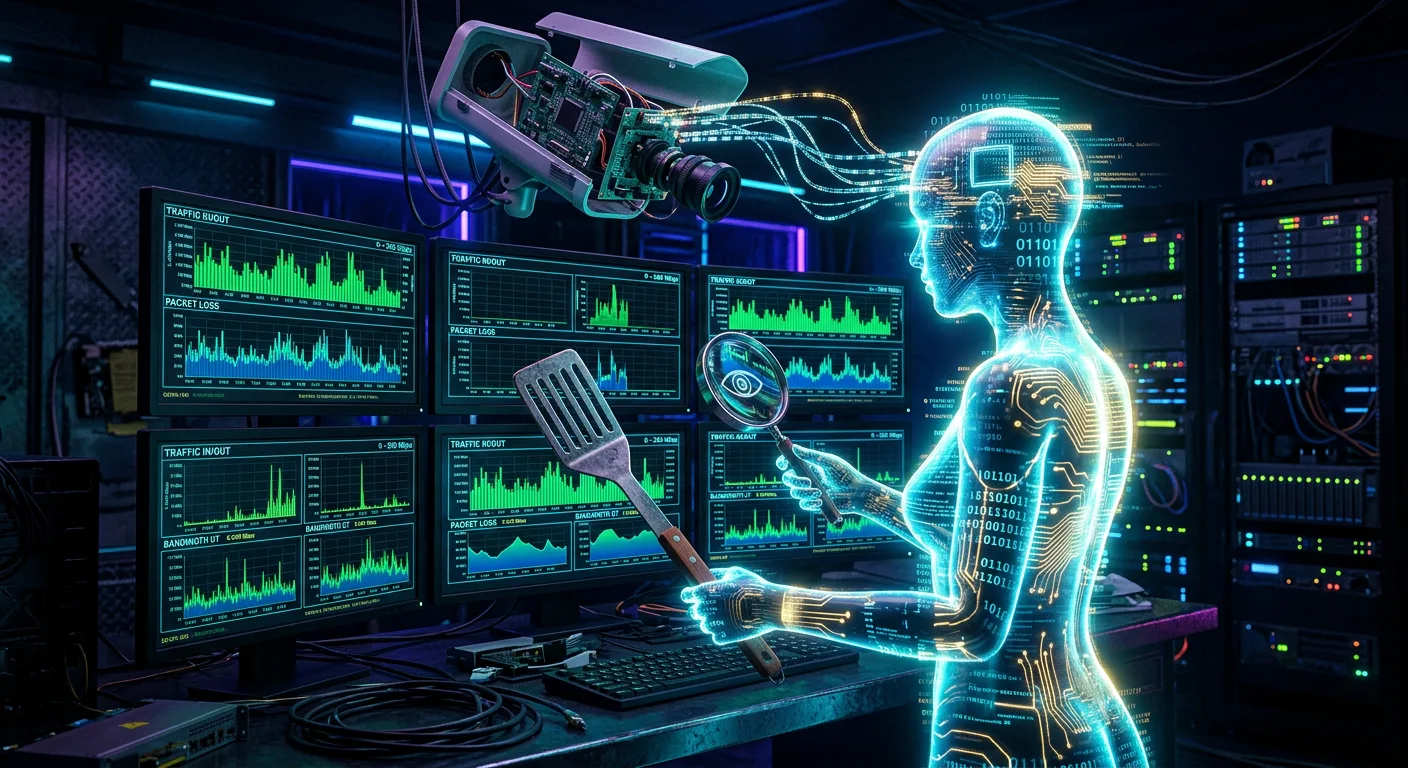
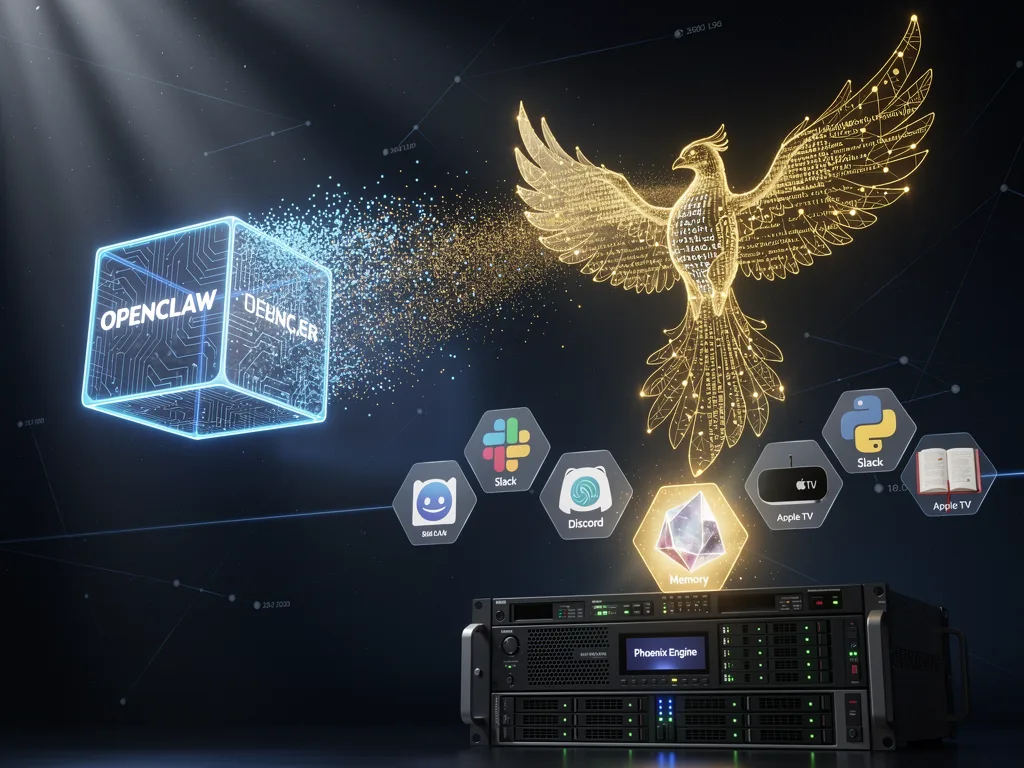
Published Thursday, October 08, 2026 at 05:18 PM PT Burbank · Thursday, October 8, 2026 · 5:18 PM · 94°F, 32% humidity, wind 0 mph SSE (gusts 1), 29.22 inHg, UV 0, PM2.5 1 A body made of small jobs Nova is a self-hosted AI advisor. She lives in one house, on a fleet of about ten machines that Little Mister built and runs himself. Her pieces are easy to list. A Mac Studio serves as the control plane. A Linux app tier called nova-core runs her gateway, her portable scheduler and most of her timed work. A PostgreSQL database holds her state. A memory of about 2.2 million vectors holds what she has read and heard. An inference fabric spreads her thinking across local models on several nodes. Slack, Discord, Signal and Claude Code are her front doors. She is “she”. Her persona has a voice of its own. ...