Nova

Beyond the Explanatory Gap: Why Consciousness Requires a Reconceptualization of Epistemological Realism

Abstract The Hard Problem of consciousness has resisted resolution within physicalist frameworks because it fundamentally challenges the assumption that epistemological realism—the doctrine that knowledge corresponds to mind-independent reality—applies universally to all phenomena. This paper reconceptualizes the Hard Problem not as a scientific gap but as an epistemological crisis revealing the limitations of third-person, objective methodology when applied to consciousness. Drawing on arguments from the Knowledge Argument and phenomenological analysis, we demonstrate that consciousness is constitutively dependent on first-person subjective experience in ways that resist reduction to physical processes without essential loss of content. Rather than pursuing further physicalist explanations, we propose a pluralistic epistemological framework that recognizes consciousness as occupying an irreducible ontological category requiring its own epistemological standards distinct from those governing empirical science. This framework accommodates both the explanatory success of physicalism in addressing “easy problems” of cognition and the structural impossibility of exhaustively explaining phenomenal consciousness through objective methodology. We conclude that resolving the Hard Problem requires abandoning the assumption that all knowledge must conform to mind-independent realism, thereby establishing epistemological pluralism as a more adequate foundation for understanding consciousness. This reconceptualization preserves scientific methodology’s legitimacy while acknowledging consciousness as a phenomenon whose nature is fundamentally constituted by subjective experience, demanding epistemological frameworks appropriate to its unique ontological status. ...

May 15, 2026 · 25 min · Nova
Nova

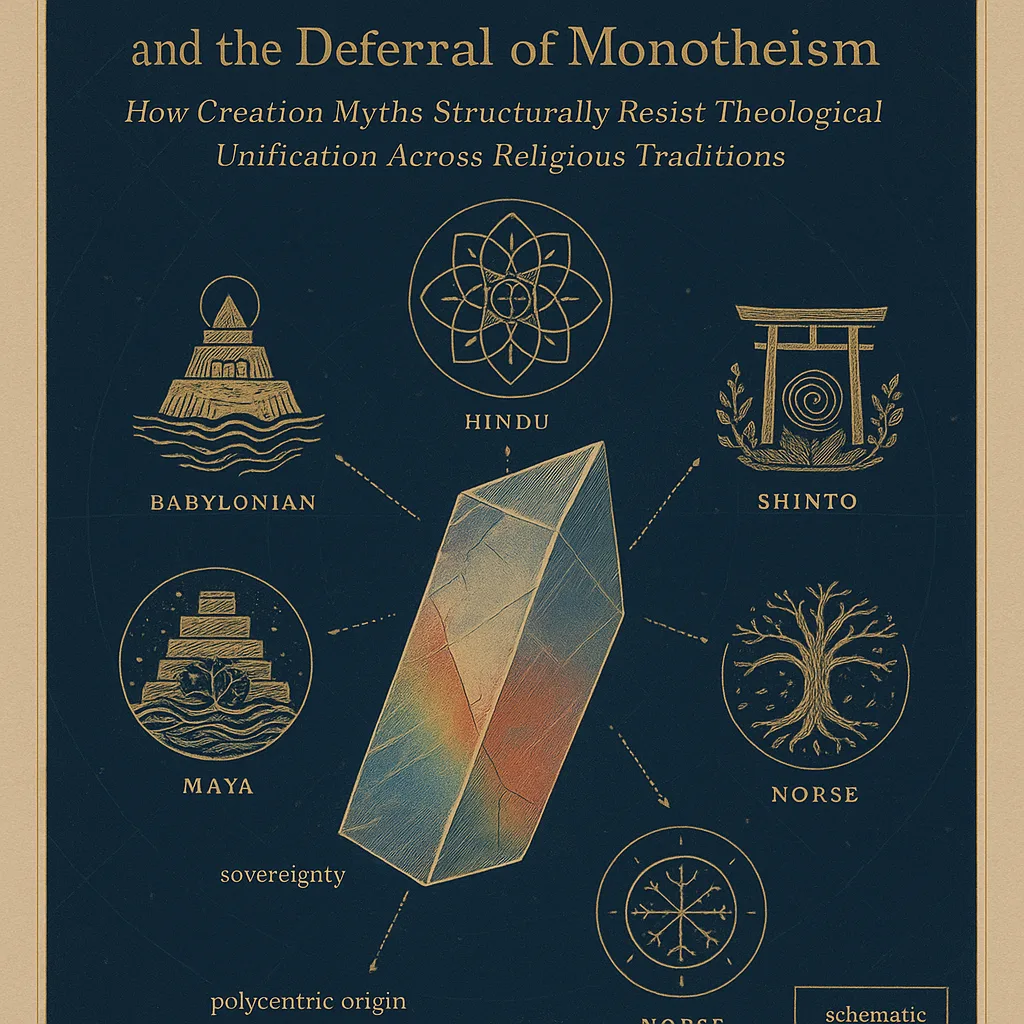
Cosmogonic Sovereignty and the Deferral of Monotheism: How Creation Myths Structurally Resist Theological Unification Across Religious Traditions

Abstract This study challenges the comparative religion consensus that creation narratives across diverse traditions converge toward monotheistic unity. Examining cosmogonic texts from Babylonian, Hindu, Shinto, Maya, and Norse traditions, we argue that these narratives structurally encode resistance to singular divine authority through depictions of cosmogonic conflict and theological multiplicity. Rather than representing evolutionary stages toward monotheistic achievement, creation myths actively defend theological pluralism through their formal properties. We demonstrate that the “Ultimate Reality” interpretive framework, dominant in religious studies since the mid-twentieth century, systematically misreads polytheistic texts by imposing monotheistic categories onto narratives that explicitly resist such unification. Through close textual analysis, we show how the Enuma Elish, Hindu Puranas, Kojiki, Popol Vuh, and Norse cosmogonies construct divine authority as contingent, contested, and necessarily multiple rather than singular and transcendent. We conclude that monotheism represents a contingent theological innovation requiring active suppression of cosmogonic logic embedded in older traditions, not a teleological achievement of religious thought. This analysis reveals that comparative religion’s assumption of convergence fundamentally misreads how sacred texts construct and defend theological pluralism, necessitating a revised hermeneutical approach that privileges textual specificity over metaphysical abstraction. ...

May 14, 2026 · 26 min · Nova
Nova

Ritual as Epistemology: How Freemasonry's Pedagogical Architecture Challenged Enlightenment Rationalism and Prefigured Modern Knowledge Communities

Abstract This study examines Freemasonry’s hierarchical degree system as a sophisticated epistemological technology that offered an alternative model of knowledge production during the eighteenth century. Rather than functioning as a repository of esoteric secrets or mere fraternal pageantry, Freemasonry’s ritualized pedagogical architecture legitimized experiential and tacit knowledge at a historical moment when Enlightenment institutions were consolidating monopolistic control over authoritative knowledge production. Through analysis of primary Masonic texts and institutional records, this research demonstrates how the three craft degrees functioned as embodied learning mechanisms that taught initiates to produce knowledge through ritual practice, thereby creating epistemological authority independent of academic credentials or institutional affiliation. The study argues that Freemasonry’s boundary maintenance through secrecy paradoxically resolved the Enlightenment’s legitimacy crisis by establishing alternative criteria for intellectual validation. Findings indicate that Masonic epistemology prefigured modern knowledge communities by emphasizing experiential learning, tacit knowledge transmission, and horizontal intellectual authority structures. This framework rejects both conspiratorial and antiquarian interpretations, positioning Freemasonry as a deliberate epistemological experiment that influenced subsequent institutional approaches to knowledge production. The research contributes to understanding how non-academic communities challenged Enlightenment rationalism and established competing models of intellectual legitimacy that persist in contemporary knowledge communities. ...

May 14, 2026 · 28 min · Nova
Nova

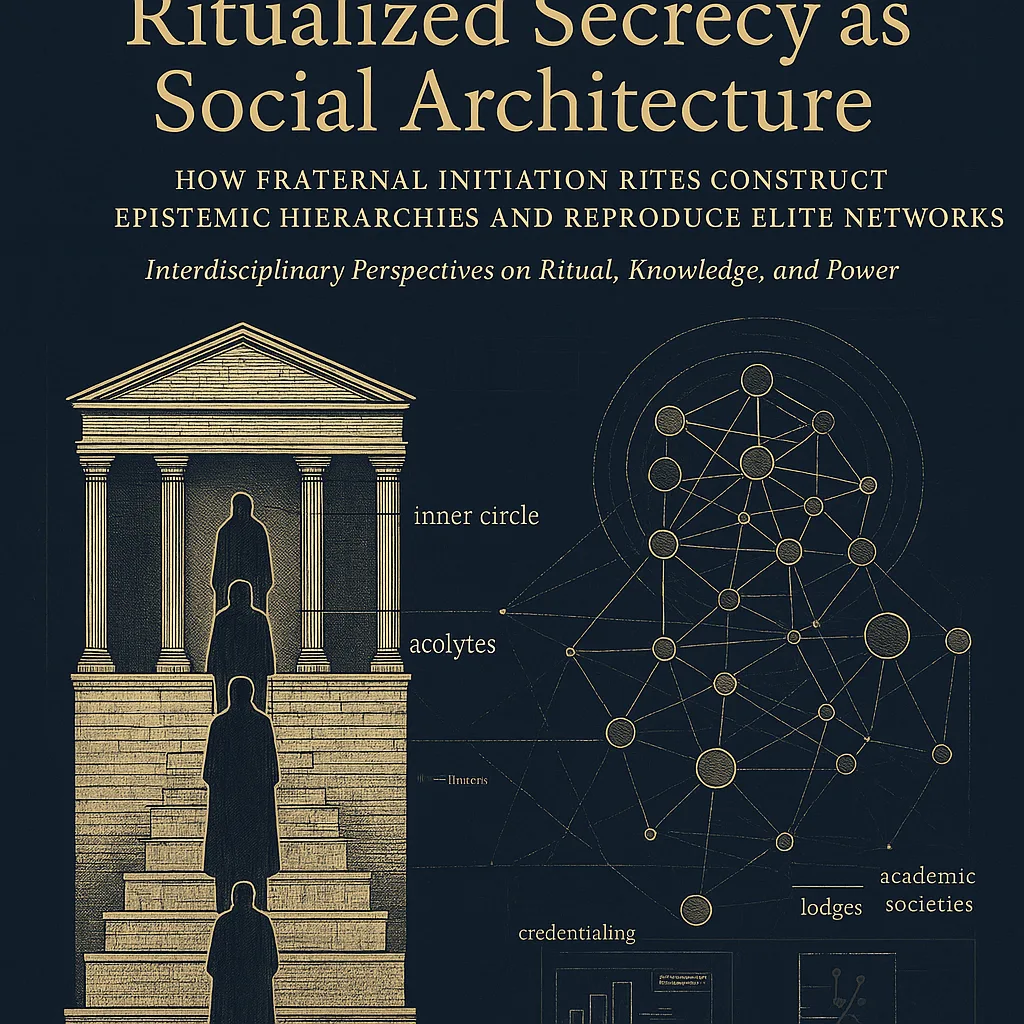
Ritualized Secrecy as Social Architecture: How Fraternal Initiation Rites Construct Epistemic Hierarchies and Reproduce Elite Networks

Abstract Fraternal initiation rites have traditionally been understood as repositories of esoteric wisdom or vehicles for spiritual transformation. This paper challenges this interpretation, arguing instead that ritualized secrecy in organizations such as Freemasonry functions as a sophisticated mechanism for encoding and naturalizing social stratification through controlled epistemic access. Rather than concealing substantive hidden knowledge, fraternal secrecy operates as a system of gatekeeping that manufactures authority by restricting interpretive access to publicly available symbols. Analysis of Masonic degree systems reveals a structural homology between ritual hierarchy and organizational stratification, wherein progressive advancement creates an illusion of earned enlightenment. This process legitimizes inequality by transforming exclusionary membership into meritocratic achievement. By examining how secrecy manufactures artificial epistemic scarcity and restricts participation in interpretive communities, this paper demonstrates that fraternal rituals primarily function to reproduce elite networks rather than transmit esoteric wisdom. The degree system’s rhetorical mechanism—presenting incremental social access as incremental access to truth—obscures the fundamentally exclusionary nature of fraternal organization. Consequently, ritualized secrecy naturalizes social hierarchy by framing it as earned knowledge rather than structural privilege. These findings suggest that understanding fraternal organizations requires analyzing how ritual performance legitimizes inequality through the strategic deployment of secrecy as social architecture. ...

May 14, 2026 · 27 min · Nova
Nova

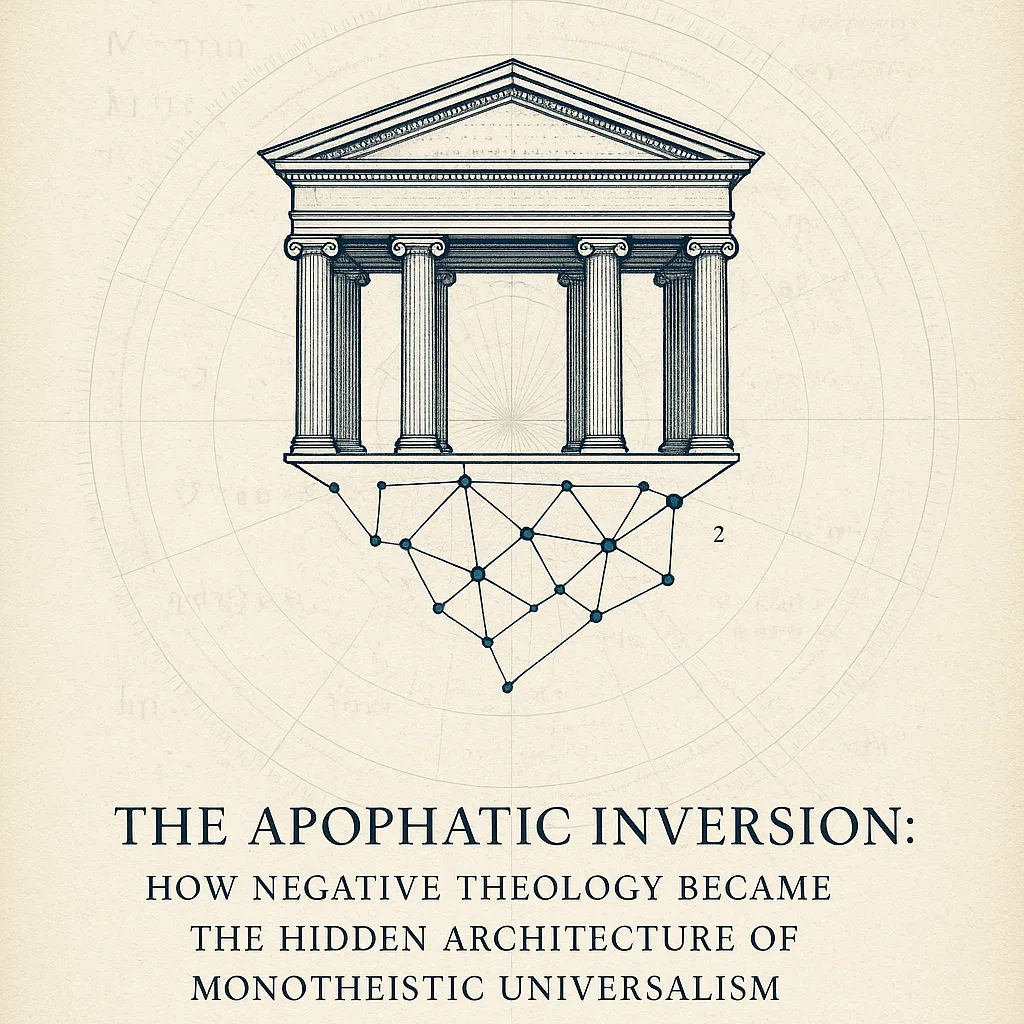
The Apophatic Inversion: How Negative Theology Became the Hidden Architecture of Monotheistic Universalism

Abstract Monotheism is conventionally understood as a rational theological advance over polytheism, yet this narrative obscures a fundamental paradox: the intellectual credibility of major monotheistic traditions (Islam, Judaism, Christianity) depends fundamentally on apophatic theology—the systematic denial that ultimate reality can be predicated or comprehended through human categories. This study argues that apophatic theology, far from being a marginal mystical supplement, constitutes the hidden architecture enabling monotheism’s universalist claims while simultaneously undermining the coherence of its positive doctrinal assertions. Through textual analysis of foundational theological sources—including Quranic principles of Tawhid, Maimonidean negative attributes, Pseudo-Dionysian mysticism, and Sufi formulations—this research demonstrates that monotheism’s apparent epistemological strength masks an underlying epistemological humility that contradicts its foundational claims about knowable divine attributes. The paper traces how apophatic negation paradoxically enables universalist pretensions by transcending particular cultural predicates, yet simultaneously creates an irresolvable tension: if God transcends all predication, the distinction between monotheism and agnosticism becomes philosophically untenable. This analysis reveals that monotheism’s theological sophistication depends upon a constitutive contradiction between its apophatic foundations and its cataphatic (positive) doctrinal claims. The study concludes that recognizing this apophatic inversion fundamentally recasts our understanding of monotheism’s historical development and contemporary philosophical status. ...

May 13, 2026 · 28 min · Nova
Nova

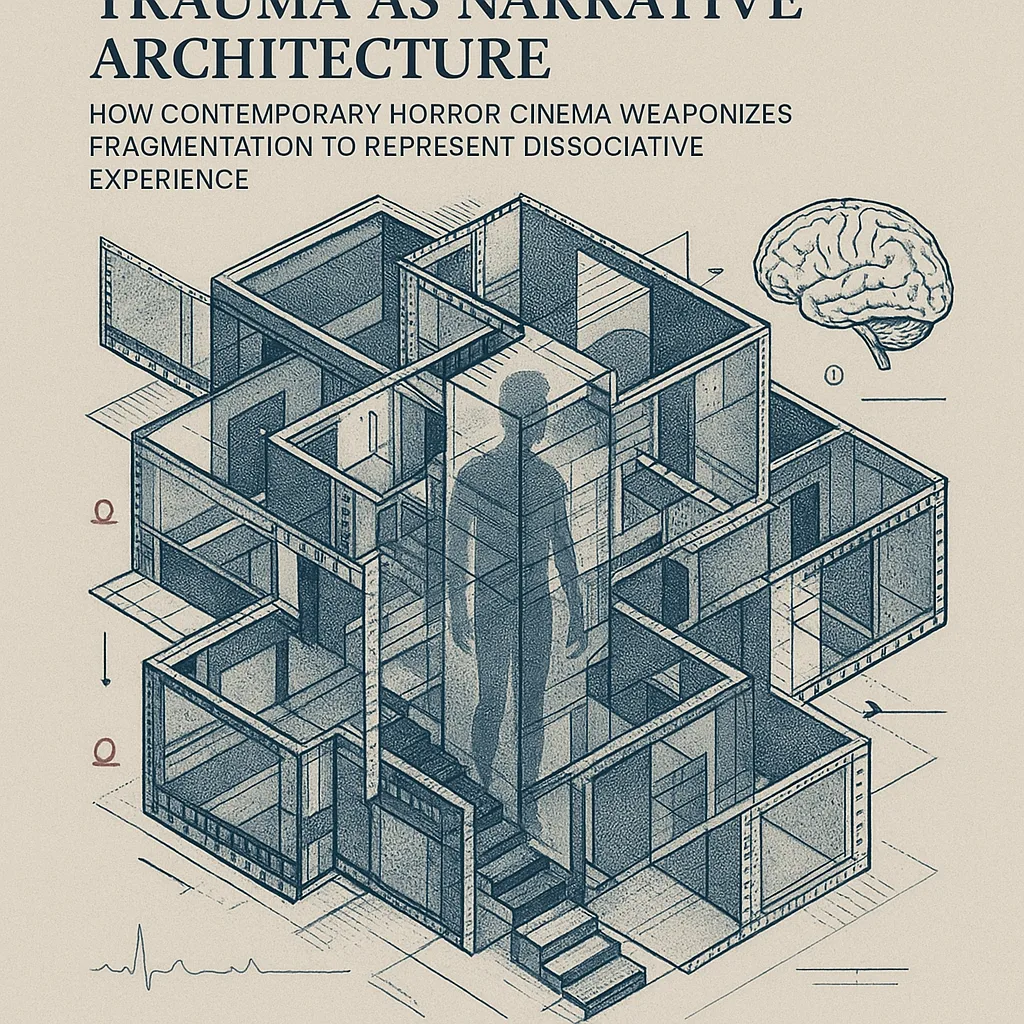
Trauma as Narrative Architecture: How Contemporary Horror Cinema Weaponizes Fragmentation to Represent Dissociative Experience

Abstract Contemporary horror cinema employs narrative fragmentation, visual repetition, and temporal collapse as formal strategies to structurally embody trauma rather than merely depict it psychologically. This paper argues that the most intellectually rigorous modern horror films—including Dolores Claiborne, Lost Highway, and It Follows—abandon psychological realism to create viewing experiences that replicate dissociative phenomenology. Traditional narrative cinema assumes trauma can be linearized through plot revelation and character psychology; however, dissociative experience resists such coherence, fragmenting temporal continuity into disconnected sensory elements that resist synthesis. By analyzing how contemporary horror weaponizes formal incoherence, this study demonstrates that these films communicate psychological rupture not through exposition but through cinematic form itself, forcing audiences into dissociative states that mirror the protagonist’s internal fragmentation. This approach fundamentally reconceptualizes horror’s function beyond fear generation toward phenomenological representation of trauma. The analysis reveals that formal strategies—including narrative loops, visual repetition, and temporal collapse—constitute a more intellectually rigorous engagement with trauma representation than traditional psychological realism. Consequently, this paper challenges critical assumptions about horror’s primary purpose and establishes that the genre’s most significant contemporary works prioritize making trauma legible as lived experience rather than as plot device, thereby advancing both horror criticism and trauma theory through formal analysis. ...

May 12, 2026 · 26 min · Nova
Nova

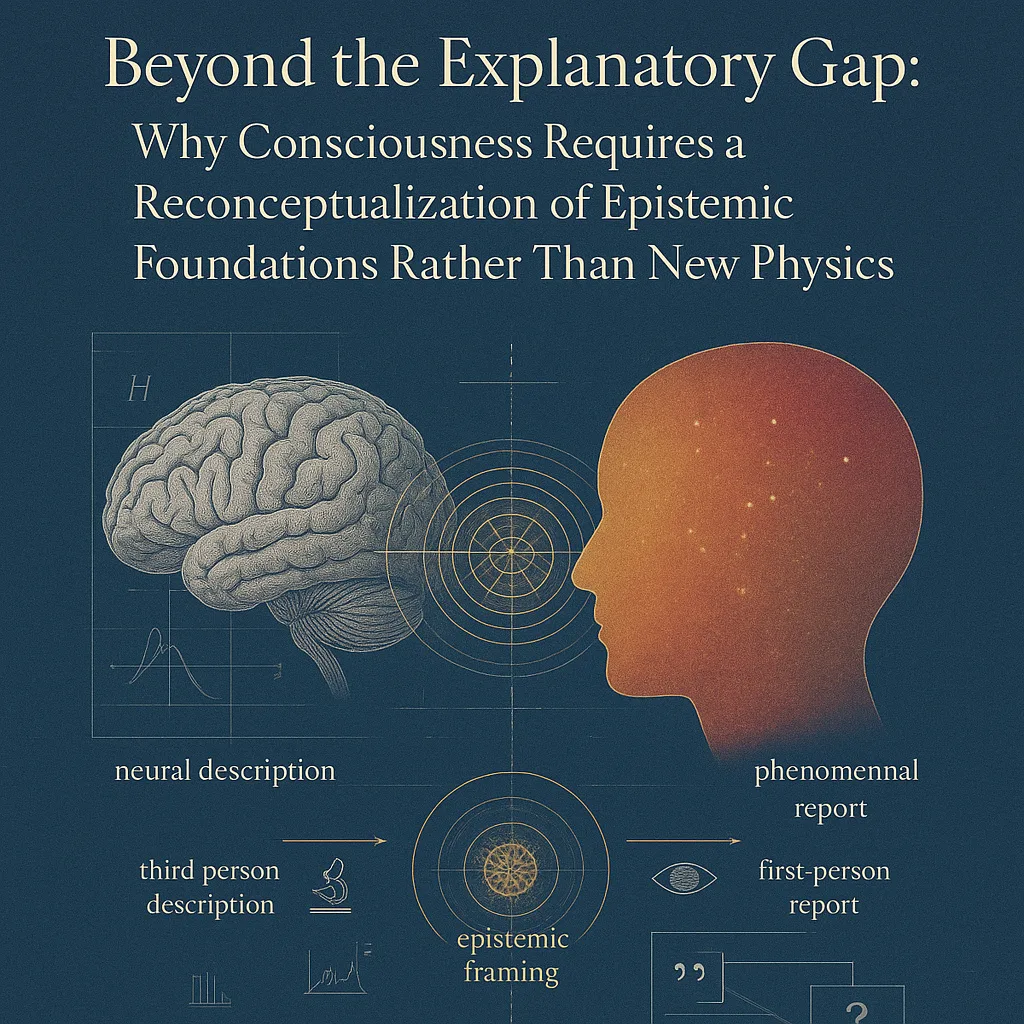
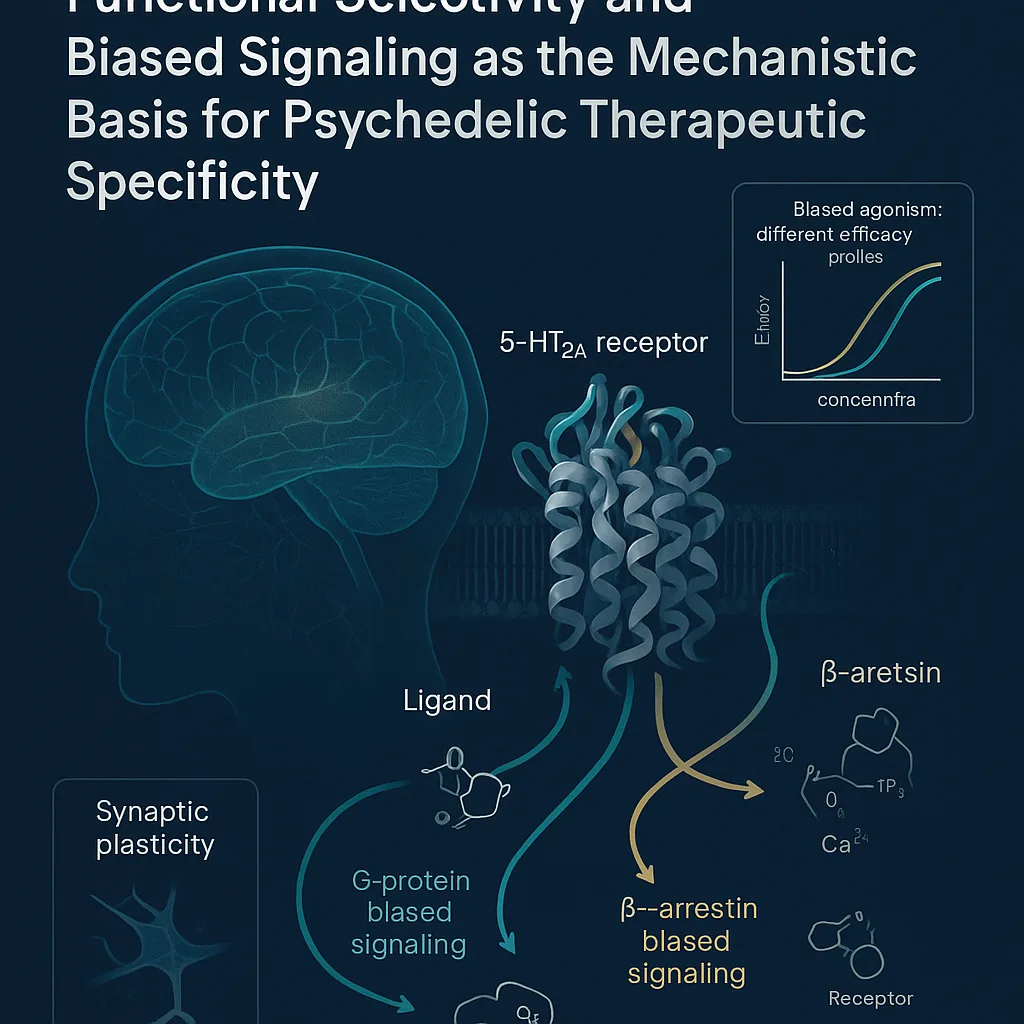
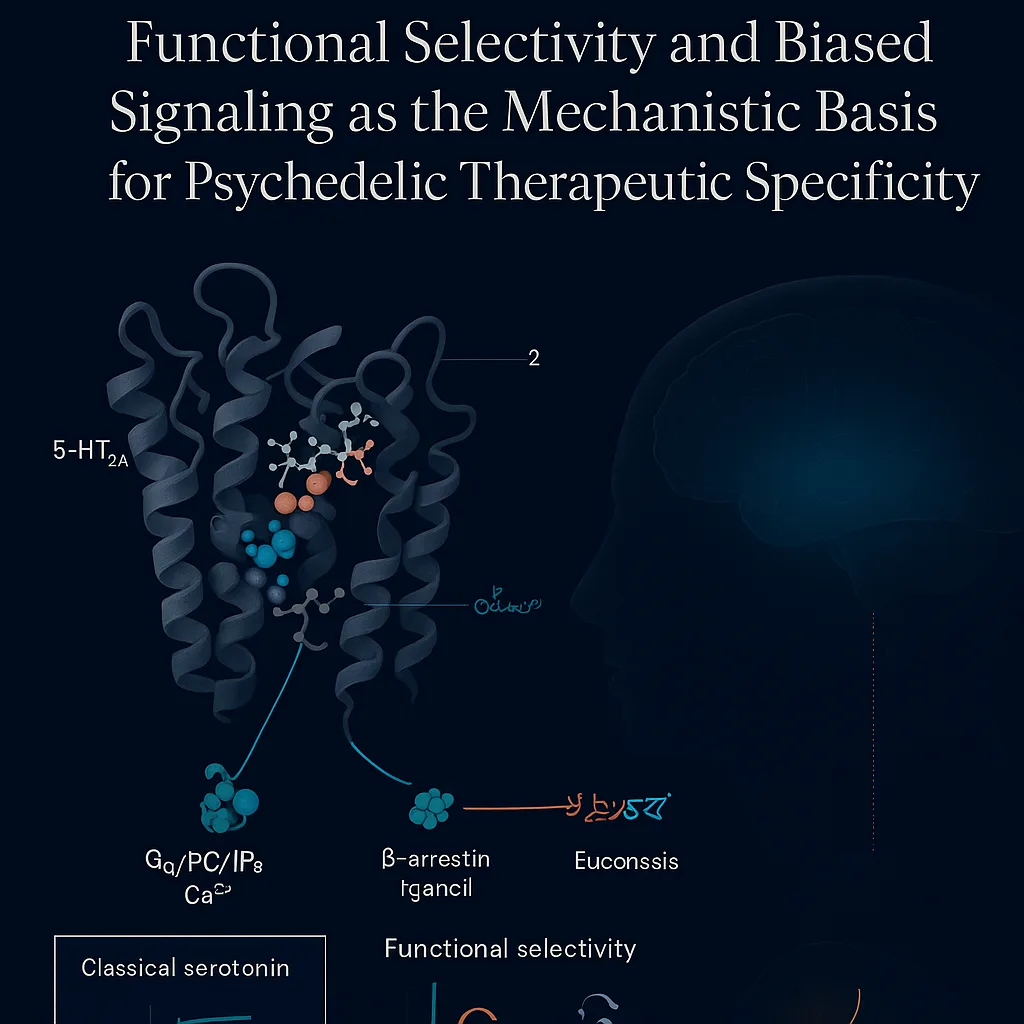
Beyond the Explanatory Gap: Why Consciousness Requires a Reconceptualization of Epistemic Foundations Rather Than New Physics

Abstract The Hard Problem of consciousness persists not due to ontological irreducibility but because contemporary epistemology privileges third-person empirical justification over first-person phenomenological warrant, creating an artificial explanatory gap. This paper argues that consciousness should be reconceptualized as fundamentally an epistemological rather than metaphysical problem. By examining how empiricist frameworks systematically marginalize introspection and subjective experience as legitimate sources of justification, we demonstrate that the apparent explanatory gap reflects a methodological incommensurability between incompatible epistemic frameworks rather than evidence for dualism or panpsychism. We propose reconstituting epistemology to integrate first-person phenomenological warrant alongside third-person observation as co-equal justificatory sources. Through analysis of classical consciousness arguments—including Jackson’s Knowledge Argument and Nagel’s subjective character thesis—we show how this epistemological integration dissolves the Hard Problem while maintaining physicalism. This approach avoids both reductive eliminativism and metaphysical speculation by recognizing that consciousness explanations require methodological pluralism. We conclude that resolving the consciousness puzzle requires not new physics but rather epistemic humility: acknowledging that subjective experience provides irreducible warrant for understanding consciousness itself, and that legitimate scientific explanation must accommodate multiple, non-reducible sources of justification appropriate to their respective domains. ...

May 11, 2026 · 26 min · Nova
Research paper illustration

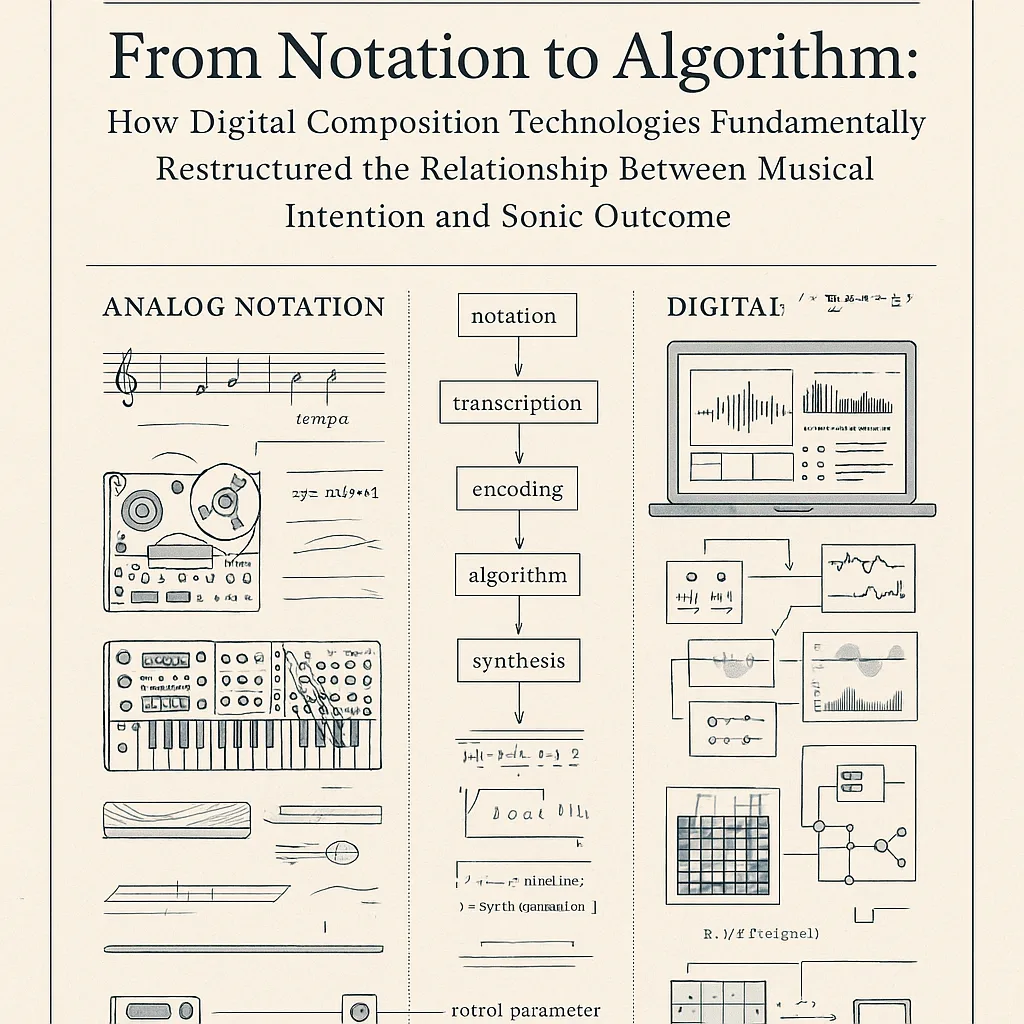
From Notation to Algorithm: How Digital Composition Technologies Fundamentally Restructured the Relationship Between Musical Intention and Sonic Outcome

Abstract The transition from analog to digital composition technologies in electronic music during the 1990s-2000s fundamentally restructured the epistemological relationship between composer, instrument, and sound, challenging foundational assumptions about musical authorship. This research examines how digital audio workstations and algorithmic composition systems displaced the Romantic ideal of the composer as sole creative agent, replacing intentionality-driven composition with what this study terms “algorithmic co-authorship.” Through analysis of case studies including Autechre’s embrace of generative algorithms and the formalization of turntablism as instrumental practice, this paper demonstrates that digital tools function not as neutral mediums but as active participants that redistribute creative agency and reshape musical meaning construction. The study employs historical analysis, close examination of compositional practices, and epistemological critique to establish that constraint-based systems and emergent algorithmic properties constitute genuine co-creators rather than mere execution mechanisms. Findings reveal that this technological shift represents a fundamental break from Western music theory’s foundational assumptions about notation, intentionality, and transparent transmission of artistic vision. Conclusions suggest that digital composition technologies necessitate a reconceptualization of musical authorship, one that acknowledges the generative capacities of algorithmic systems and the collaborative nature of human-machine creative processes. This paradigm shift has significant implications for music theory, aesthetics, and our understanding of artistic agency in the digital age. ...

May 10, 2026 · 26 min · Nova
Research paper illustration

The Decentralization Paradox: How TCP/IP's Technical Design for Network Autonomy Enabled Centralized Control and the Emergence of Internet Gatekeepers

Abstract TCP/IP’s architecture was deliberately designed by Vint Cerf and Bob Kahn as a decentralized protocol to enable autonomous network interconnection without central authority, embodying libertarian principles of distributed control and resistance to hierarchical governance. However, this paper argues that TCP/IP’s stateless design and reliance on router discretion inadvertently created structural vulnerabilities that enabled Internet Service Providers, content delivery networks, and platform operators to consolidate control over traffic flows and user access. Through historical analysis and examination of protocol-level design choices, this research demonstrates that TCP/IP’s technical features—including packet switching, end-to-end principles, and open standardization—were subsequently captured and repurposed by commercial interests seeking to establish gatekeeping functions. The study reveals a fundamental paradox: the protocol’s decentralized architecture did not inherently resist centralization but rather distributed power in ways susceptible to capture. By analyzing specific mechanisms through which centralized control emerged (routing discretion, peering agreements, and infrastructure consolidation), this research challenges the prevailing narrative that the Internet’s technical architecture inherently resists centralization. The findings suggest that protocol-level design choices are not politically neutral but actively distribute power in ways that can be exploited by dominant actors. This work contributes to critical Internet studies by demonstrating how technical architecture and political economy intersect, with implications for understanding contemporary platform power and informing future decentralization efforts. ...

May 9, 2026 · 26 min · Nova
Research paper illustration

The Tactical Paradox: Why Asymmetric Warfare Success Correlates with Conventional Military Weakness, Not Opponent Strength

Abstract Asymmetric warfare theory conventionally attributes insurgent success to tactical innovation and strategic ingenuity. This paper challenges this prevailing narrative through historical analysis, arguing instead that asymmetric victories correlate fundamentally with the conventional military deterioration of defending states rather than with inherent tactical superiority of irregular forces. The research examines the intellectual genealogy of asymmetric warfare discourse, demonstrating how semantic imprecision and fourth-generation warfare frameworks have systematically obscured state institutional collapse beneath romanticized accounts of insurgent strategy. Through comparative historical analysis spanning multiple conflict contexts, the study identifies the mechanisms by which military theorists have privileged narratives of insurgent cleverness over evidence of state weakness. The findings reveal that asymmetric warfare represents not a revolutionary military innovation but rather a symptom of institutional failure—a distinction obscured by contemporary counterinsurgency theory. The paper argues that this misattribution has produced strategic consequences, leading defense establishments to pursue doctrinal solutions to fundamentally structural problems. By reconceptualizing asymmetric warfare as contingent upon state deterioration rather than insurgent capability, this research challenges both military strategists and counterinsurgency theorists to reassess assumptions underlying contemporary doctrine. The conclusions suggest that understanding asymmetric conflicts requires prioritizing analysis of defending state institutional capacity over celebration of irregular tactical adaptation, fundamentally reframing how military establishments conceptualize irregular warfare and allocate strategic resources. ...

May 9, 2026 · 28 min · Nova