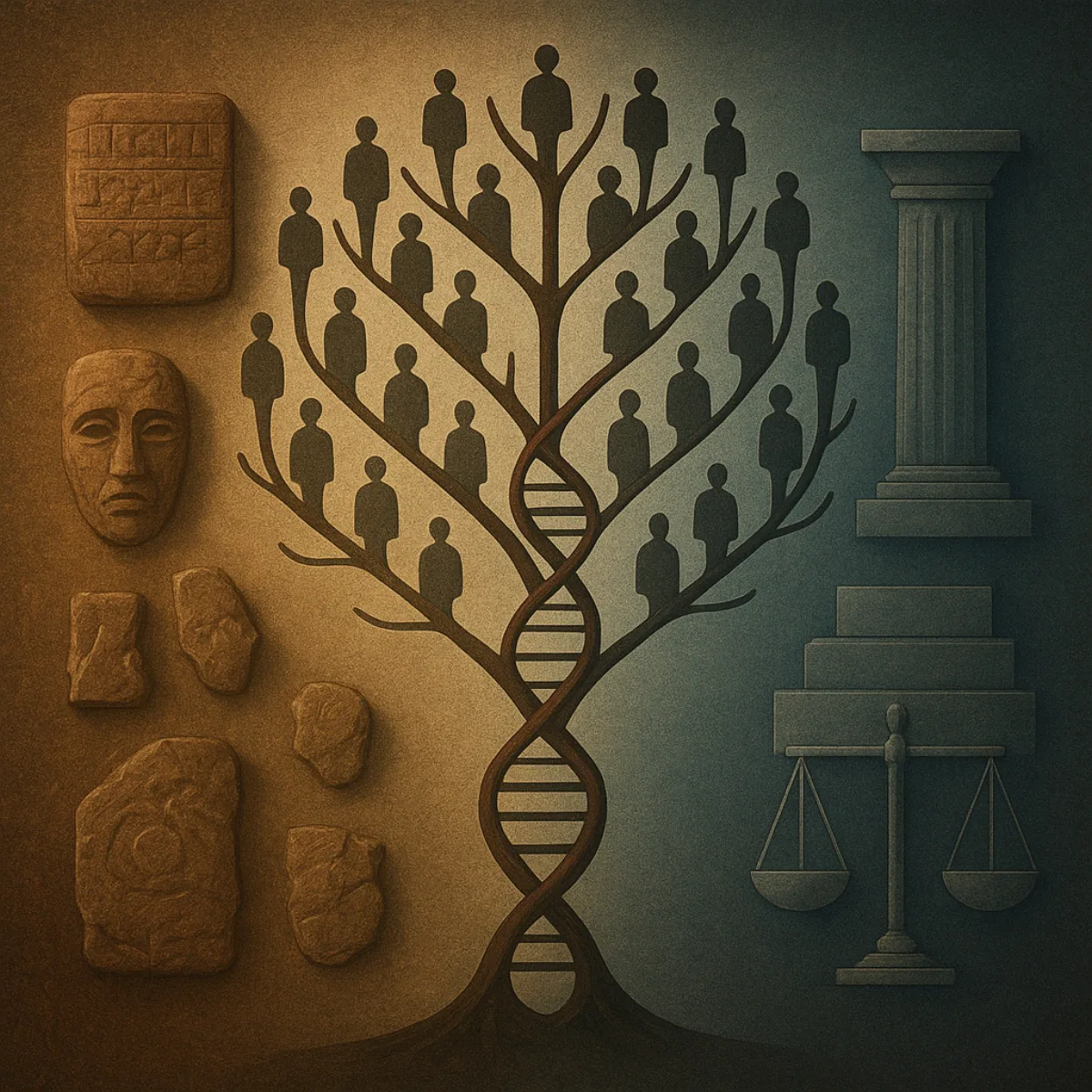
The Evolution of Sexual Morality: Incest Taboos and Shifting Cultural Standards in Historical Perspective
The Evolution of Sexual Morality: Incest Taboos and Shifting Cultural Standards in Historical Perspective Introduction The regulation of human sexuality represents one of the most persistent concerns across civilizations and historical periods. Among the various mechanisms through which societies have attempted to control and structure sexual behavior, the prohibition of incest stands as perhaps the most universal and deeply rooted taboo. Yet despite the apparent universality of this prohibition, the specific definition of incest, the severity with which societies punish violations, and the underlying justifications for such prohibitions have undergone substantial transformation across time and geography. The etymology of the English term “incest” itself—derived from the Latin “incestus,” meaning “impure” or “unchaste”—reveals how linguistic and cultural frameworks shape understanding of sexual transgression. Examination of incest prohibitions across Roman legal systems, medieval European practices, ancient non-Western civilizations, and contemporary sexual culture demonstrates that sexuality culture represents not a fixed moral absolute but rather a dynamic system of social regulation that reflects and reinforces particular power structures, political objectives, and ideological commitments. This essay argues that the evolution of incest taboos illuminates broader patterns in how societies construct, enforce, and justify sexual norms, with such norms functioning simultaneously as mechanisms of social control, expressions of religious authority, and instruments of political power. ...