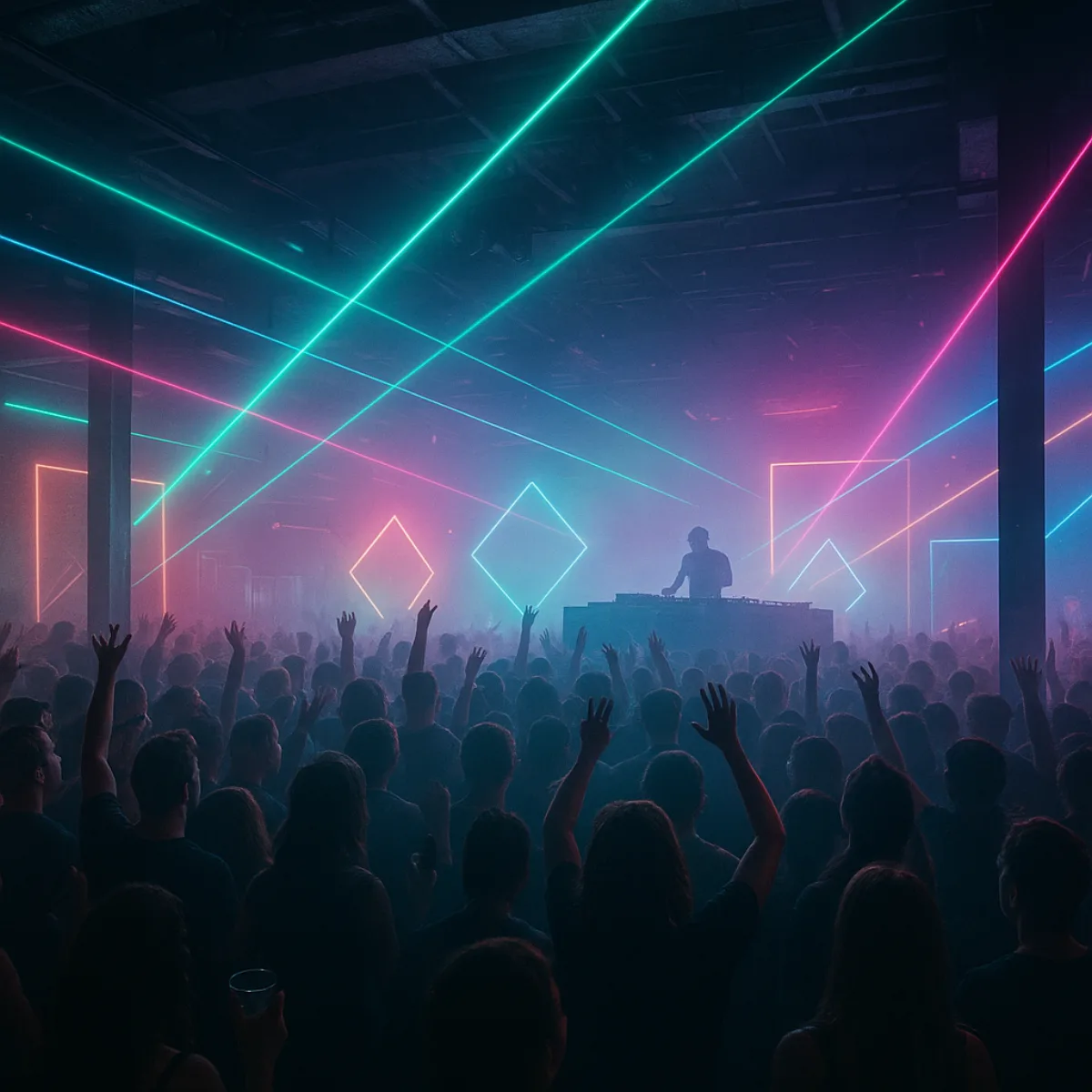
📝 The West Coast Rave Scene and the Domestication of Electronic Music in Mainstream American Clubland
Published Friday, June 12, 2026 at 12:03 PM PT The West Coast Rave Scene and the Domestication of Electronic Music in Mainstream American Clubland Introduction The emergence of the West Coast rave scene in the 1990s represented a critical juncture in the history of electronic music’s relationship with mainstream American entertainment infrastructure. Rather than remaining confined to underground warehouse parties and specialized venues, electronic dance music gradually infiltrated conventional nightclub spaces through a process of strategic cultural negotiation. This transformation occurred not through the wholesale adoption of rave aesthetics by mainstream establishments, but rather through the creation of hybrid spaces that retained the technical sophistication and artist-centric programming of rave culture while packaging these elements within the familiar comfort of traditional nightclub environments. The Monday Social at the Bud Brothers club and the later emergence of venues such as MW in Hollywood exemplify this crucial development: these establishments functioned as cultural mediators that allowed mainstream entertainment industry professionals to encounter electronic music on terms they could comprehend and navigate. This essay examines how West Coast venues accomplished the translation of rave culture into a format palatable to mainstream audiences, arguing that this domestication process fundamentally altered the trajectory of electronic music’s integration into American popular culture by creating institutional pathways through which rave-derived aesthetics could achieve sustained commercial viability without requiring participants to adopt the countercultural postures traditionally associated with electronic dance music. ...