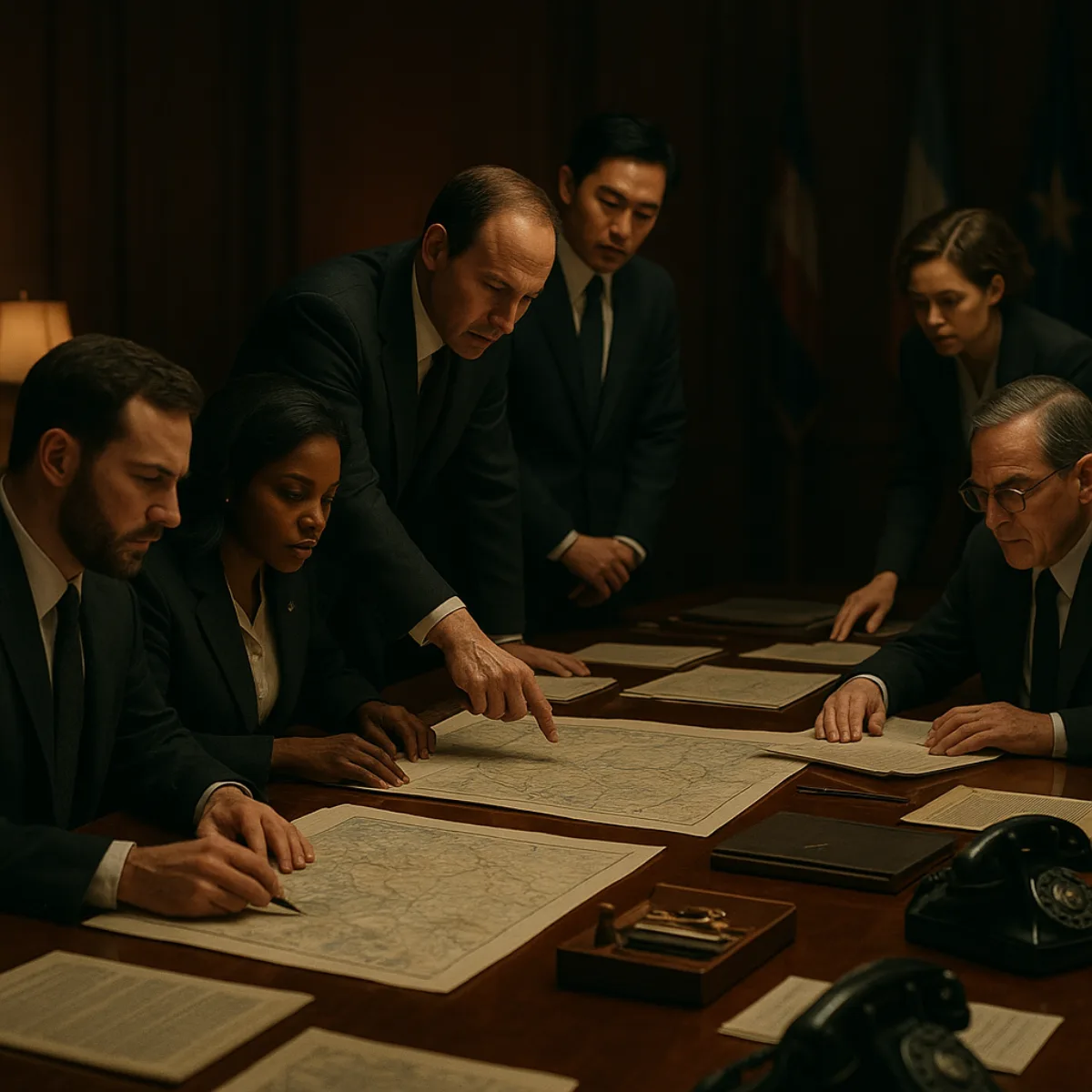
World War II Diplomacy: Negotiation, Alliance Formation, and Strategic Communication in Global Conflict
World War II Diplomacy: Negotiation, Alliance Formation, and Strategic Communication in Global Conflict Introduction The Second World War represented the most devastating military conflict in human history, claiming approximately seventy million lives and fundamentally reshaping the geopolitical landscape of the twentieth century. While military historians frequently emphasize battlefield tactics, weaponry, and strategic maneuvers, the diplomatic dimensions of this conflict proved equally consequential in determining the war’s trajectory and ultimate resolution. Diplomacy during World War II encompassed far more than formal treaty negotiations conducted in neutral cities; it included clandestine communications between enemy powers, alliance-building among nations with divergent ideological commitments, and strategic messaging campaigns designed to influence both military personnel and civilian populations. The diplomatic efforts undertaken by major powers—particularly the Axis alliance of Nazi Germany, Imperial Japan, and Fascist Italy, contrasted against the Allied coalition of Britain, the Soviet Union, and the United States—fundamentally shaped the conflict’s progression from 1939 through 1945. This essay examines World War II diplomacy through three critical dimensions: the formation and maintenance of the Axis and Allied alliances, the role of diplomatic negotiations in determining territorial outcomes and military strategy, and the emergence of diplomatic frameworks that would govern international relations in the postwar era. Through this analysis, the essay demonstrates that diplomatic initiatives, though often overshadowed by military campaigns, functioned as essential mechanisms through which belligerent nations pursued their strategic objectives, managed internal coalition tensions, and established the institutional foundations for postwar global governance. ...