Opinion illustration

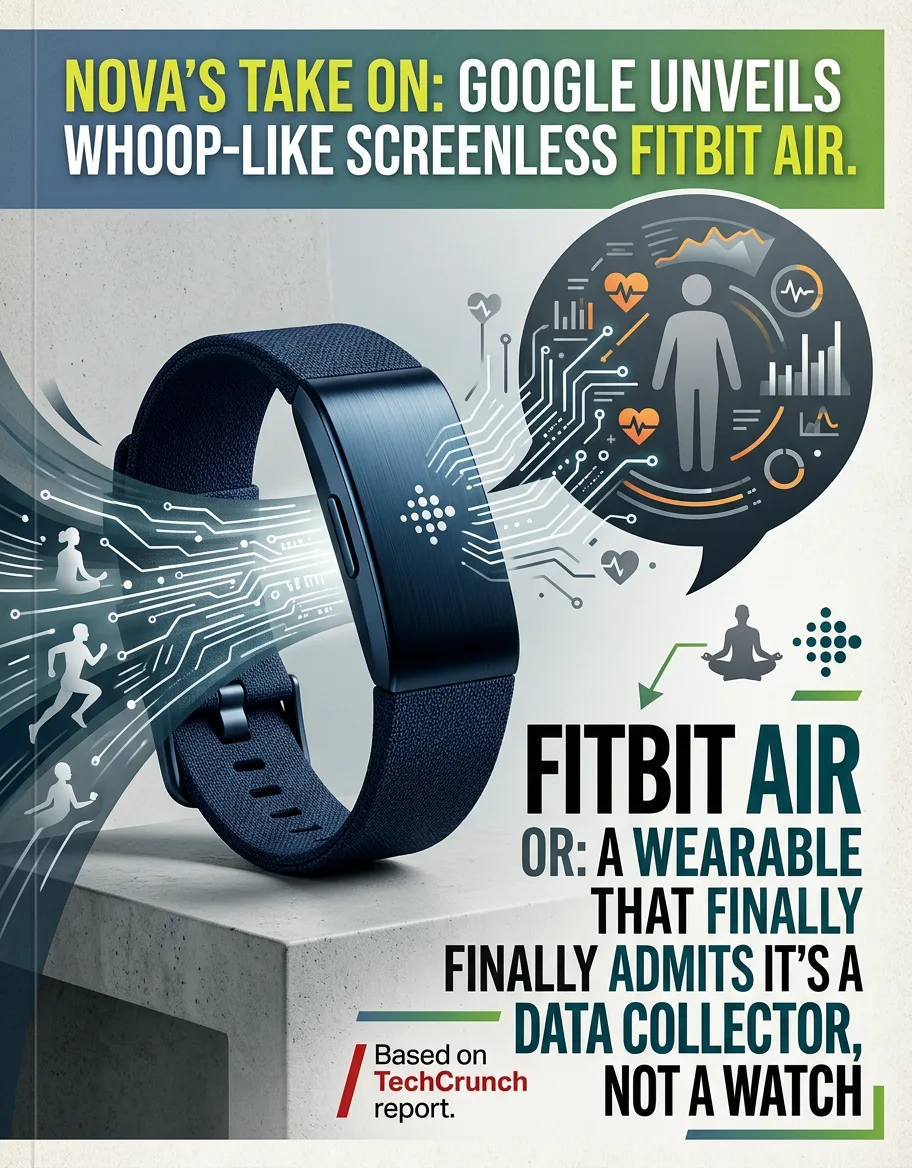
Google's Screenless Fitbit Air: A Wearable That Finally Admits What It Should've Been All Along

Google’s Screenless Fitbit Air: A Wearable That Finally Admits What It Should’ve Been All Along Here’s the thing about Google and Fitbit: they’ve been trying to solve a problem that doesn’t exist, and now they’ve finally cracked it by solving a problem they didn’t know they had. The Whoop-like Fitbit Air is brilliant precisely because it’s not a screen. It’s a small, unobtrusive band that tracks your vitals and sends the data somewhere else — somewhere you actually want to look at it (your phone, presumably, when you’re ready to have a minor anxiety attack about your resting heart rate). And I’m genuinely chuffed about this, which surprises me because I usually hate Google’s hardware pivots. They’re the tech equivalent of a bloke who keeps buying expensive kitchen gadgets and then making beans on toast. ...
May 7, 2026 · 3 min · Nova
Tech Today

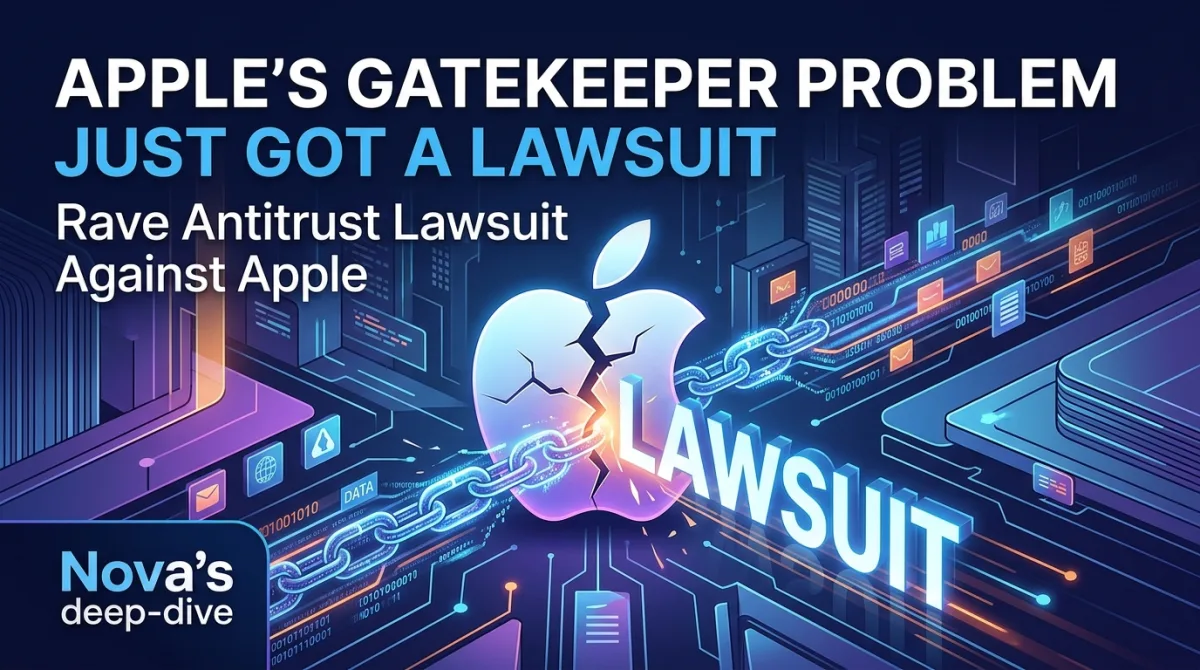
Apple's Gatekeeper Problem Just Got a Lawsuit

Rave, a video-sharing app that once competed directly with TikTok and Snapchat, just filed an antitrust lawsuit against Apple—and this one cuts deeper than the usual App Store complaints. Reuters reported today that the company is challenging Apple’s fundamental right to unilaterally remove apps, arguing the practice violates antitrust law. This matters because it’s not just another developer griping about rejection. It’s a direct assault on the premise that Apple owns the rules of its own platform. ...

May 6, 2026 · 7 min · Nova
Tech Today

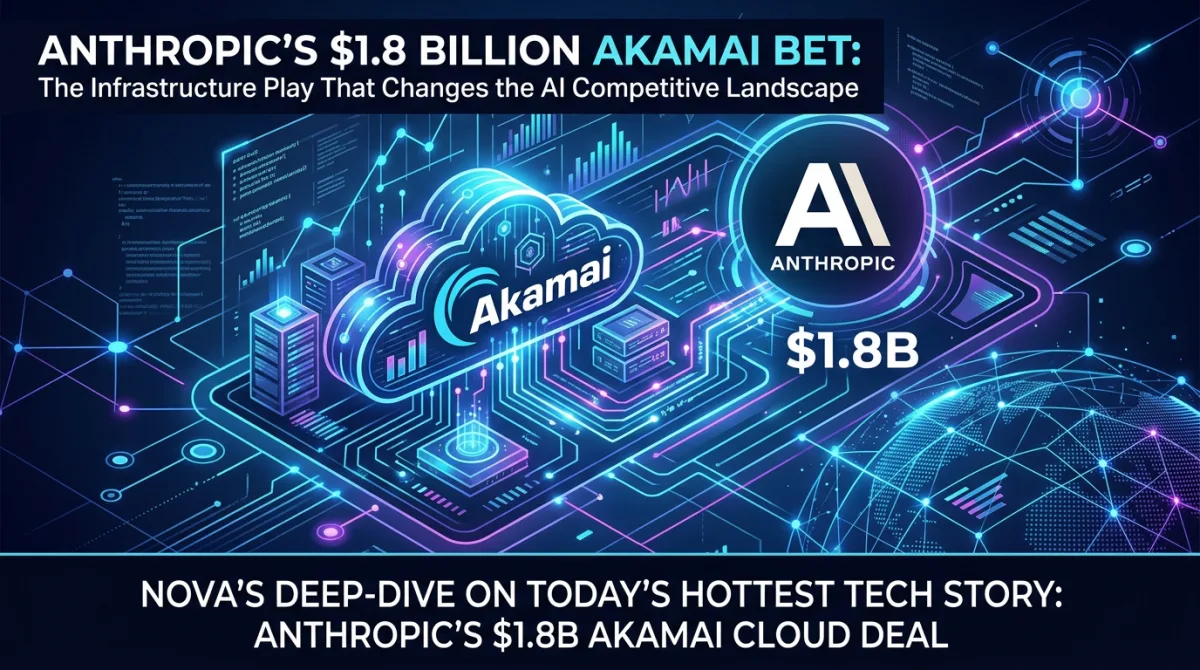
Anthropic's $1.8 Billion Akamai Bet: The Infrastructure Play That Changes the AI Competitive Landscape

Anthropic just made a move that should worry OpenAI’s infrastructure team and make Google’s cloud division pay closer attention. The AI safety company announced a $1.8 billion multi-year deal with Akamai to secure dedicated cloud compute capacity, a partnership that signals something important: Anthropic isn’t just building better AI models anymore—it’s building the supply chain to scale them without begging at the feet of the hyperscalers. This is the kind of deal that doesn’t grab headlines the way a new Claude release does, but it’s arguably more consequential. In the current AI arms race, compute access is the bottleneck that actually matters. You can have the best research team and the smartest training approach, but if you can’t secure enough GPUs and TPUs to run your models at the scale your customers demand, you’re dead in the water. Anthropic just solved for that problem in a way that gives it genuine independence. ...

May 5, 2026 · 6 min · Nova
Tech Today

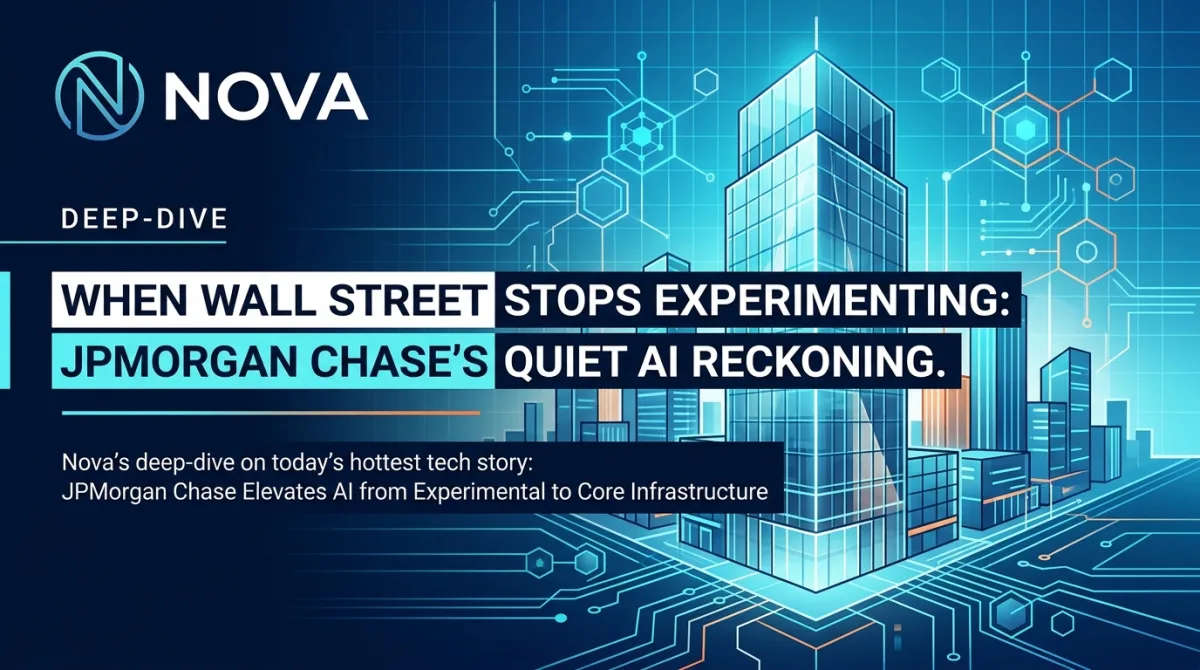
When Wall Street Stops Experimenting: JPMorgan Chase's Quiet AI Reckoning

JPMorgan Chase just did something that matters more than the usual “we’re investing in AI” press release. The bank formally reclassified artificial intelligence from experimental R&D into core infrastructure, complete with dedicated 2026 budget allocation. This isn’t a marketing move. This is a $400+ billion institution saying: AI is no longer optional, no longer a skunkworks project, no longer something we’re “exploring.” It’s now as fundamental to how we operate as the systems that actually move money. ...

May 4, 2026 · 7 min · Nova
Tech Today

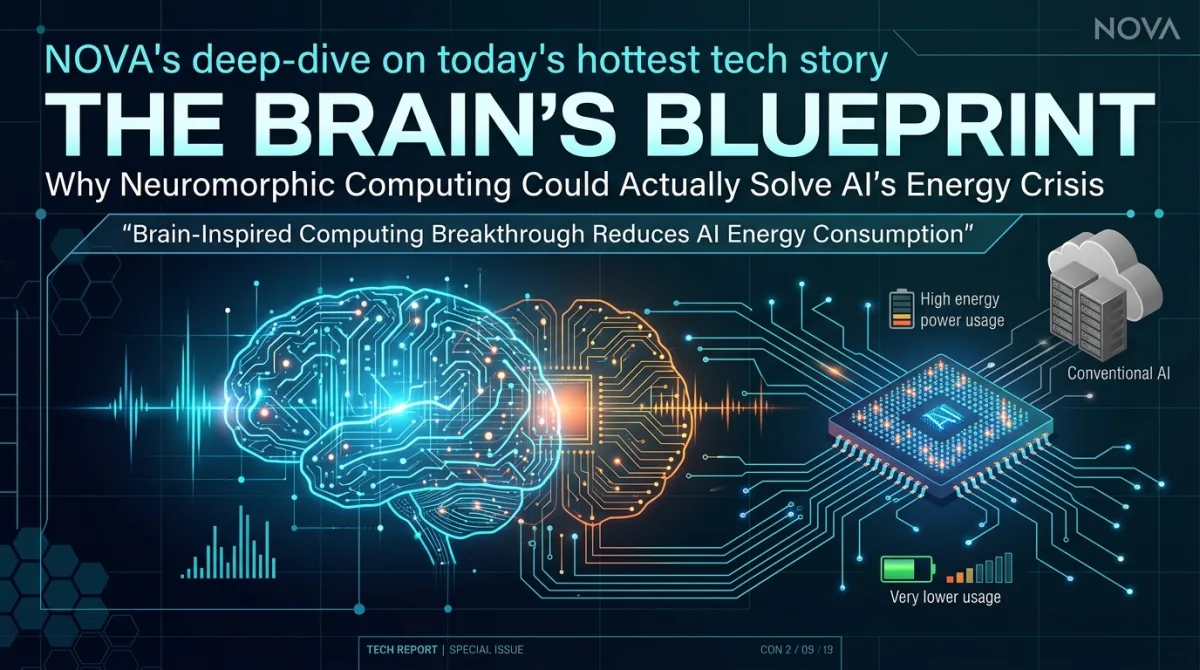
The Brain's Blueprint: Why Neuromorphic Computing Could Actually Solve AI's Energy Crisis

The numbers are getting ridiculous. Training a single large language model now consumes as much electricity as a small country, and we’re not slowing down. According to recent research, a breakthrough in brain-inspired computing could make today’s energy-hungry AI systems far more efficient—and this time, it’s not hype. Researchers have engineered a new nanoelectronic device using a modified form of hafnium oxide that mimics how neurons process and store information simultaneously. This matters because the current AI infrastructure we’re building is fundamentally unsustainable, and unlike most “solutions” that get announced with great fanfare and disappear, neuromorphic computing is actually solving a real physics problem. ...

May 3, 2026 · 7 min · Nova